





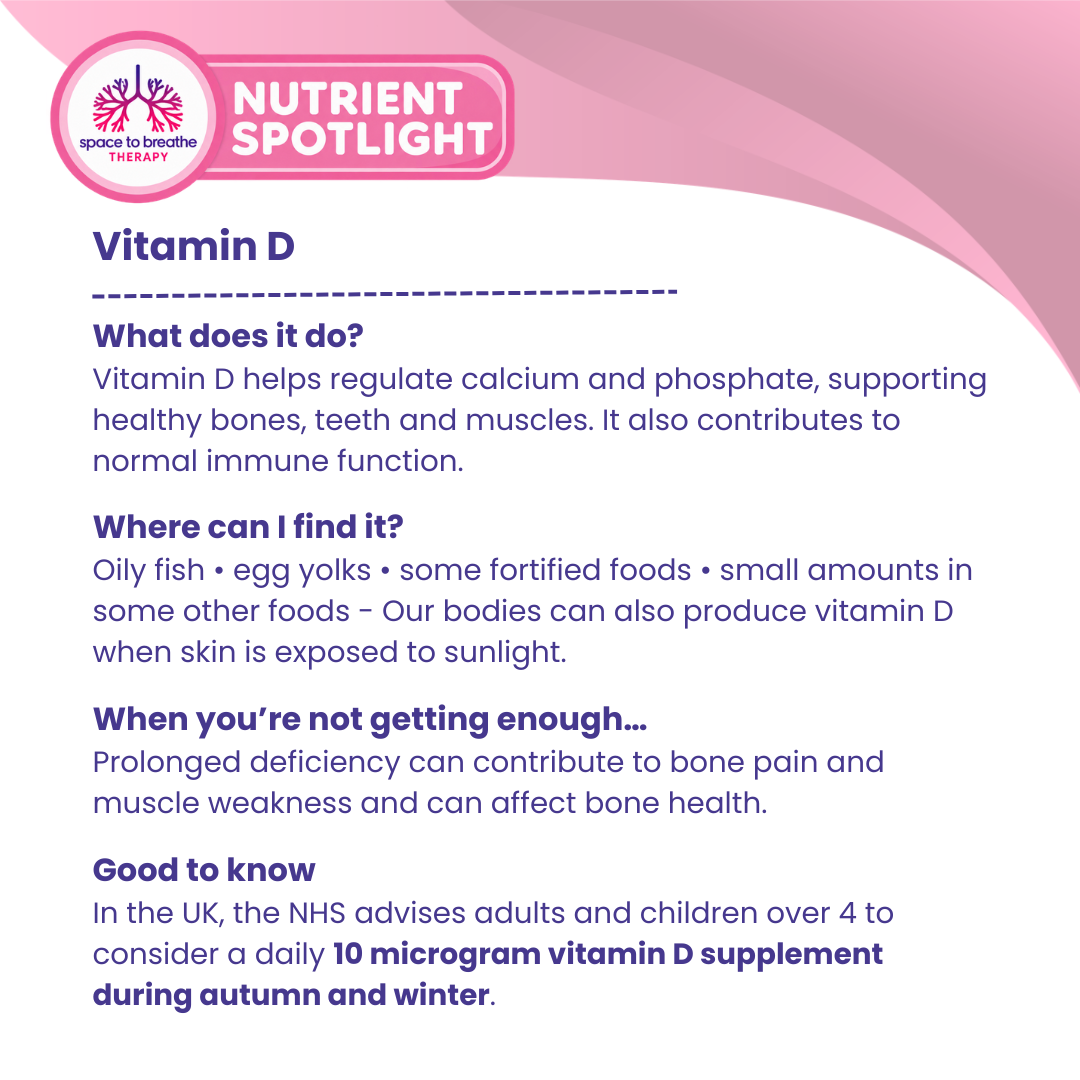
Vitamin D is an essential nutrient that plays an important role in keeping our bones, teeth and muscles healthy. It also contributes to the normal functioning of the immune system.
One of vitamin D's key roles is helping the body absorb and regulate calcium and phosphate — two minerals that are particularly important for maintaining healthy bones.
Where do we get vitamin D?
Unlike most vitamins, our bodies can make vitamin D when our skin is exposed to sunlight. In the UK, sunlight is therefore an important source during the spring and summer months.
Vitamin D is also found naturally in a relatively small number of foods, including oily fish, egg yolks and some fortified foods, such as certain breakfast cereals and fat spreads.
Because dietary sources are limited, it can be difficult to obtain enough vitamin D from food alone.
What happens if we don't get enough?
Prolonged vitamin D deficiency can affect bone and muscle health. In adults, severe deficiency can contribute to bone pain, muscle weakness and osteomalacia, where bones become softer.
In children, severe vitamin D deficiency can lead to rickets, which affects developing bones.
However, symptoms such as tiredness, aches or muscle weakness can have many different causes and shouldn't automatically be assumed to indicate vitamin D deficiency.
Vitamin D in the UK
During autumn and winter, sunlight in the UK isn't strong enough for most people to make sufficient vitamin D through their skin.
The NHS advises adults and children over four to consider taking a daily supplement containing 10 micrograms (400 IU) of vitamin D during autumn and winter. Some people may be advised to take vitamin D throughout the year because they have a greater risk of deficiency.
When diets are restricted
People with ARFID, sensory differences, allergies, intolerances or a limited range of safe foods may eat few foods that naturally contain vitamin D.
This is another reason why nutritional support should focus on what is realistically manageable rather than forcing unfamiliar foods.
If someone is concerned about vitamin D deficiency, particularly if their diet is very restricted, their GP can advise whether further assessment or supplementation is appropriate.
Vitamin D may be needed in small amounts, but it plays an important part in keeping our bones, muscles and bodies functioning well.
Space to Breathe Therapy




