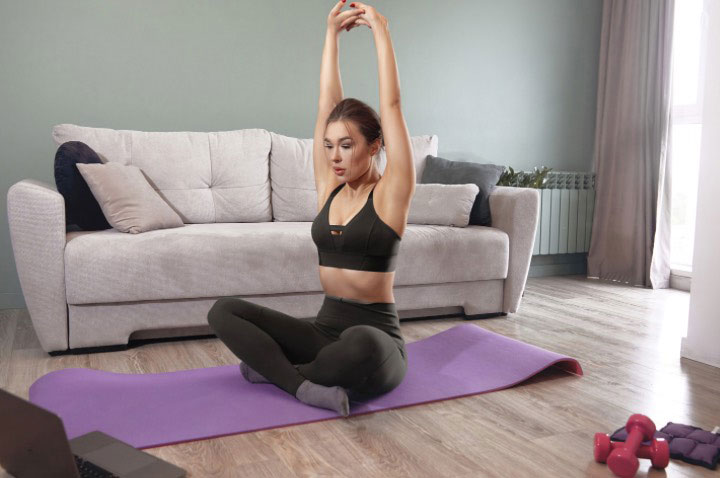
Chronic Illness - Living with a chronic illness can affect many areas of life, including physical health, emotional wellbeing, and daily routines. This page explores the challenges people may face when managing long-term health conditions and how individuals can support their wellbeing while navigating ongoing health concerns.

UNDERSTANDING YOUR TRAUMA RESPONSE
Chronic Fatigue Syndrome (ME/CFS) - A Condition Marked by Severe Exhaustion and Reduced Energy Capacity
Multiple Sclerosis (MS) - A Neurological Condition Affecting the Brain and Spinal Cord
Fibromyalgia - Understanding Widespread Pain, Fatigue, and Nervous System Sensitivity

Endometriosis - A Chronic Condition Linked to Pain and Inflammation
Lupus - An Autoimmune Condition That Can Affect Multiple Body Systems
Fatigue - Fatigue is more than simply feeling tired. It can involve deep physical and mental exhaustion that does not always improve with rest. Fatigue may be connected to stress, illness, sleep difficulties, emotional strain, or nervous system overload. This section explores possible causes and ways to better understand this experience.

Physical fatigue and the nervous system
Why Your Body Feels Drained Without Clear Cause
Social fatigue
When Being Around Others Starts to Feel Draining
Burnout
When Stress Turns Into Deep Exhaustion and Disconnection
Chronic fatigue
Understanding Ongoing Exhaustion That Doesn't Go Away

Decision fatigue
Why Even Small Choices Can Feel Overwhelming
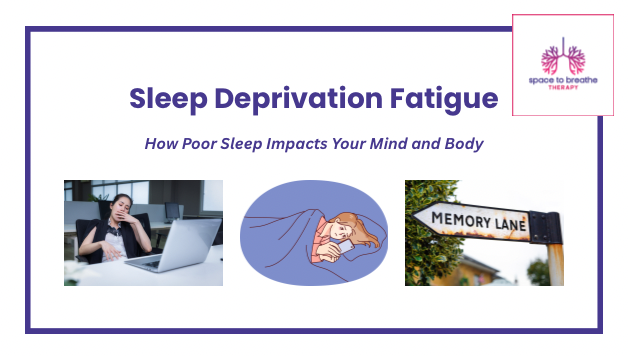
Sleep deprivation fatigue
How Poor Sleep Impacts Your Mind and Body
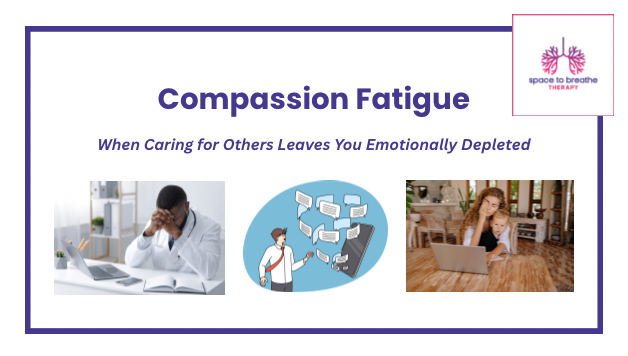
Compassion fatigue
When Caring for Others Leaves You Emotionally Depleted
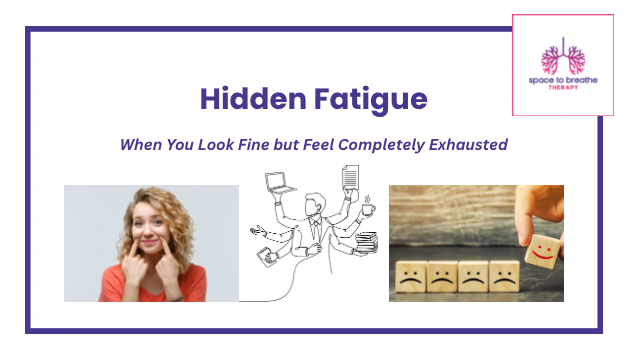
Hidden fatigue
When You Look Fine but Feel Completely Exhausted

Emotional fatigue
When Your Feelings Feel Heavy and Hard to Carry
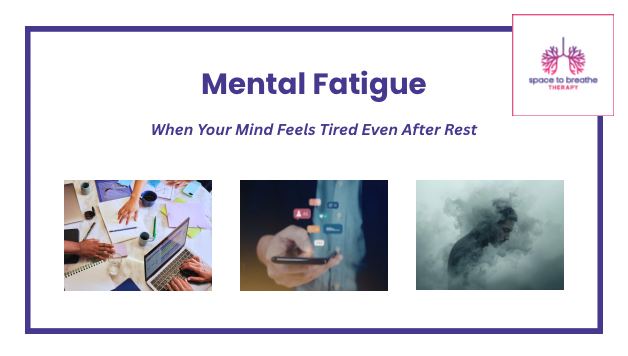
Mental fatigue
When Your Mind Feels Tired Even After Rest
Hormones - Hormones play a significant role in regulating mood, energy, sleep, and many bodily functions. Changes in hormonal balance throughout life can influence emotional wellbeing and physical health. This page explores how hormones affect the body and how hormonal shifts may impact mood and daily functioning.
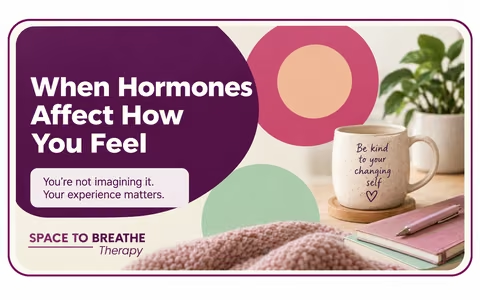
WHEN HORMONES AFFECT HOW YOU FEEL
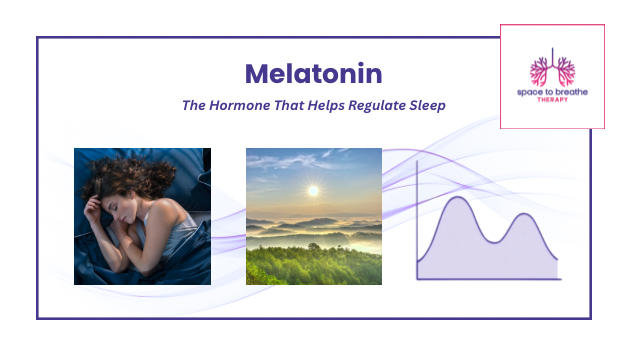
Melatonin - The Hormone That Helps Regulate Sleep

Adrenaline - Why the Body Feels "On Edge" During Stress
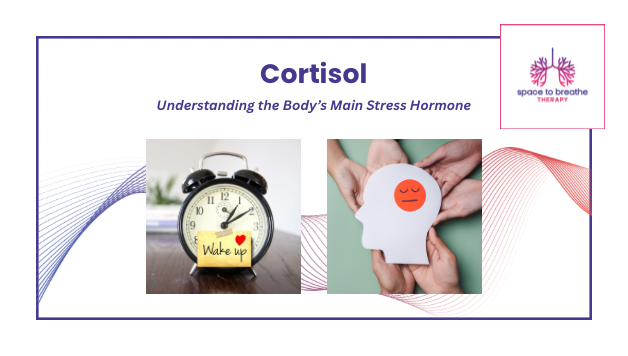
Cortisol - Understanding the Body's Main Stress Hormone

Serotonin - Mood, Emotional Balance, and Everyday Wellbeing
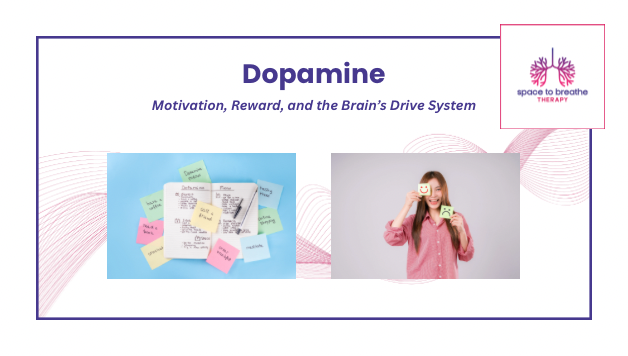
Dopamine - Motivation, Reward, and the Brain's Drive System
Nervous System - The nervous system plays a central role in how the body responds to stress, safety, and emotional experiences. When the nervous system becomes overwhelmed or dysregulated, it can affect both physical and mental wellbeing. This section explores how the nervous system works and how it influences emotional and physical responses.
THE FEELING WALL
WHEN LIFE IS ALWAYS IN A RUSH
The Body Under Constant Pressure
STRESS, EAR FULLNESS & HEARING YOUR HEARTBEAT
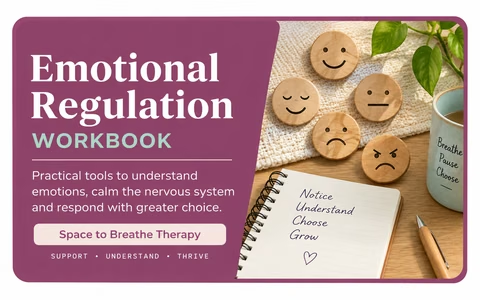
EMOTIONAL REGULATION WORKBOOK
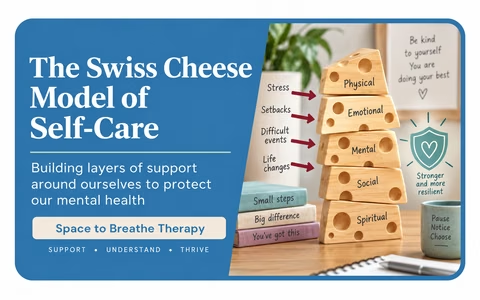
The Swiss Cheese Model of Self-Care
The Swiss Cheese Model of Self-Care - Building Layers of Support Around Ourselves
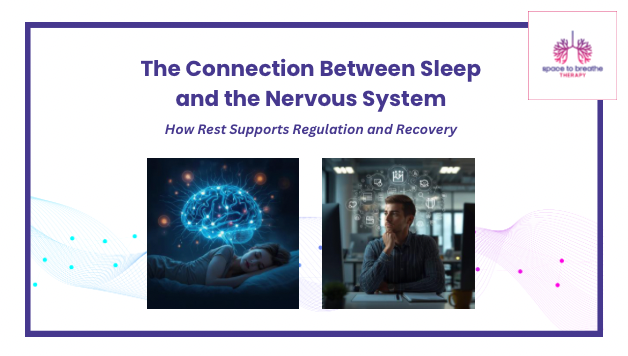
The Connection Between Sleep and the Nervous System

The Role of the Vagus Nerve

The Mind Body Connection

Nervous System Regulation — What Helps

Why Small Triggers Can Feel Big
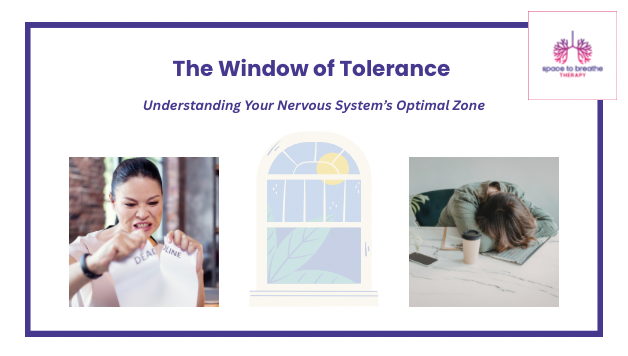
The Window of Tolerance

What Does It Mean to Feel Safe in Your Body
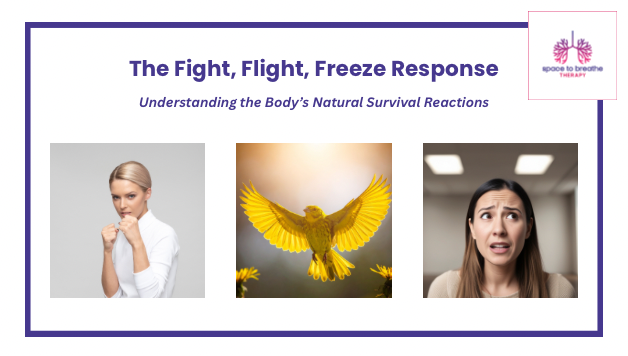
The Fight, Flight, Freeze Response
When the Nervous System Feels Overloaded
Understanding the nervous system
Sleep - Sleep is essential for both physical health and emotional balance. Poor sleep can affect mood, concentration, energy levels, and the body’s ability to recover from stress. This page explores the importance of sleep, common sleep challenges, and ways to support healthier sleep patterns.

WAKING UP REFRESHED
A gentle guide to better sleep, calmer mornings and finding what works for you
Sleep Pressure and Sleepiness
Sleep and the Racing Mind
Creating a Sleep Friendly Bedroom
Sleep and Neurodivergence
Waking During The Night
When You Can't Fall Asleep
Quieting a Busy Mind Before Sleep
Building a Sleep Routine

Sleep
When Your Mind Won’t Switch Off: A Personal Reflection on Sleep
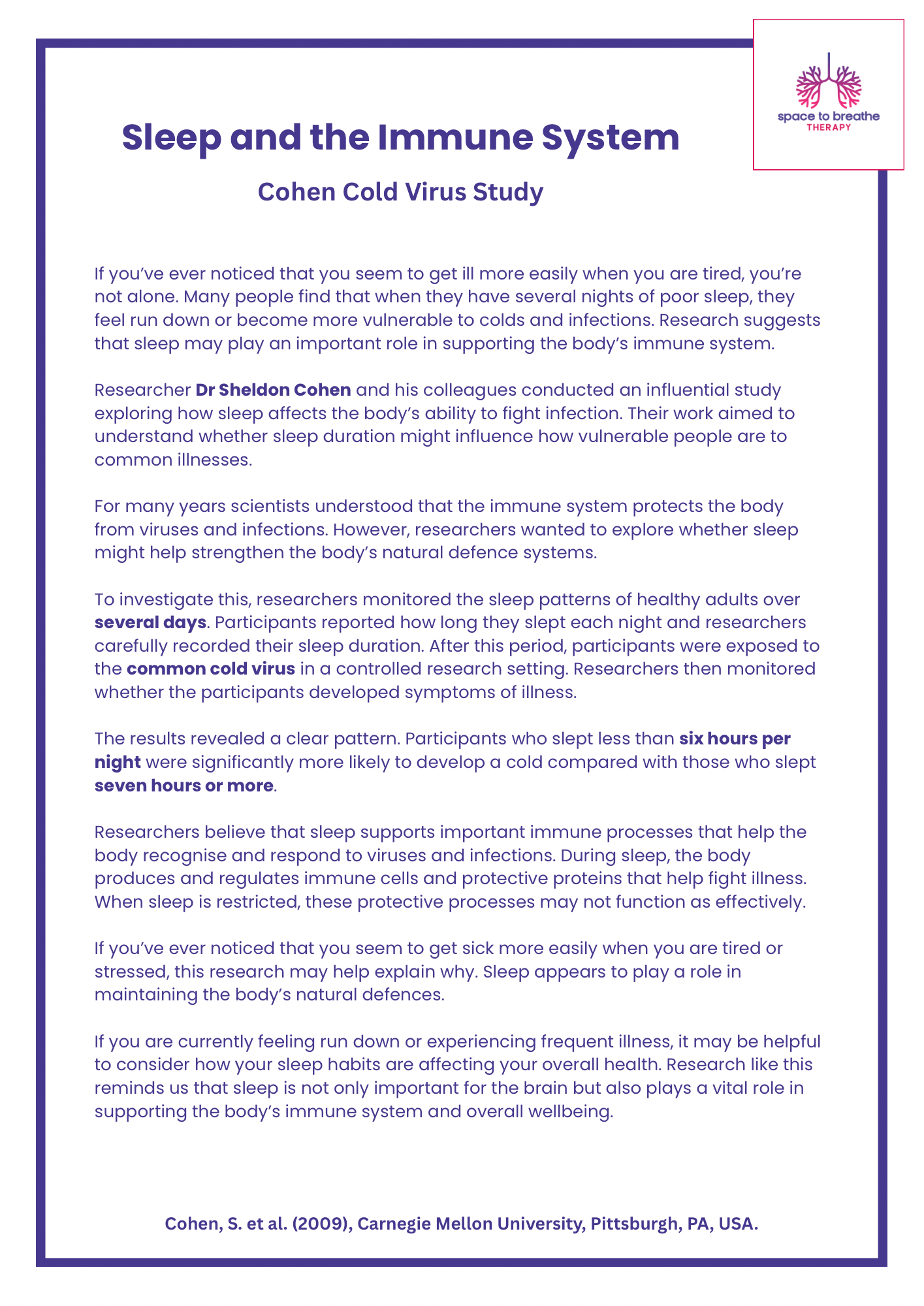
Sleep & The Immune System
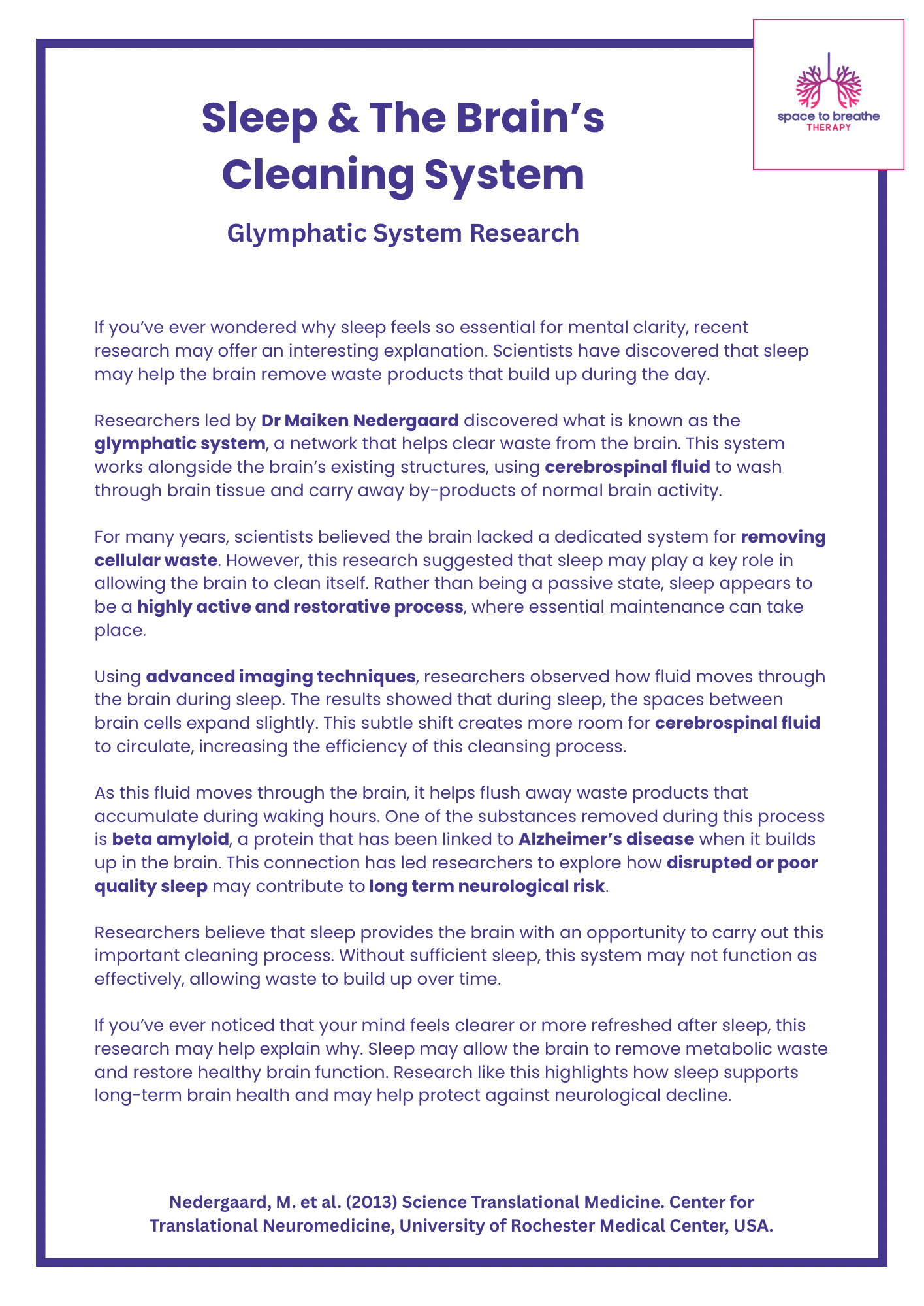
Sleep & The Brain's Cleaning System
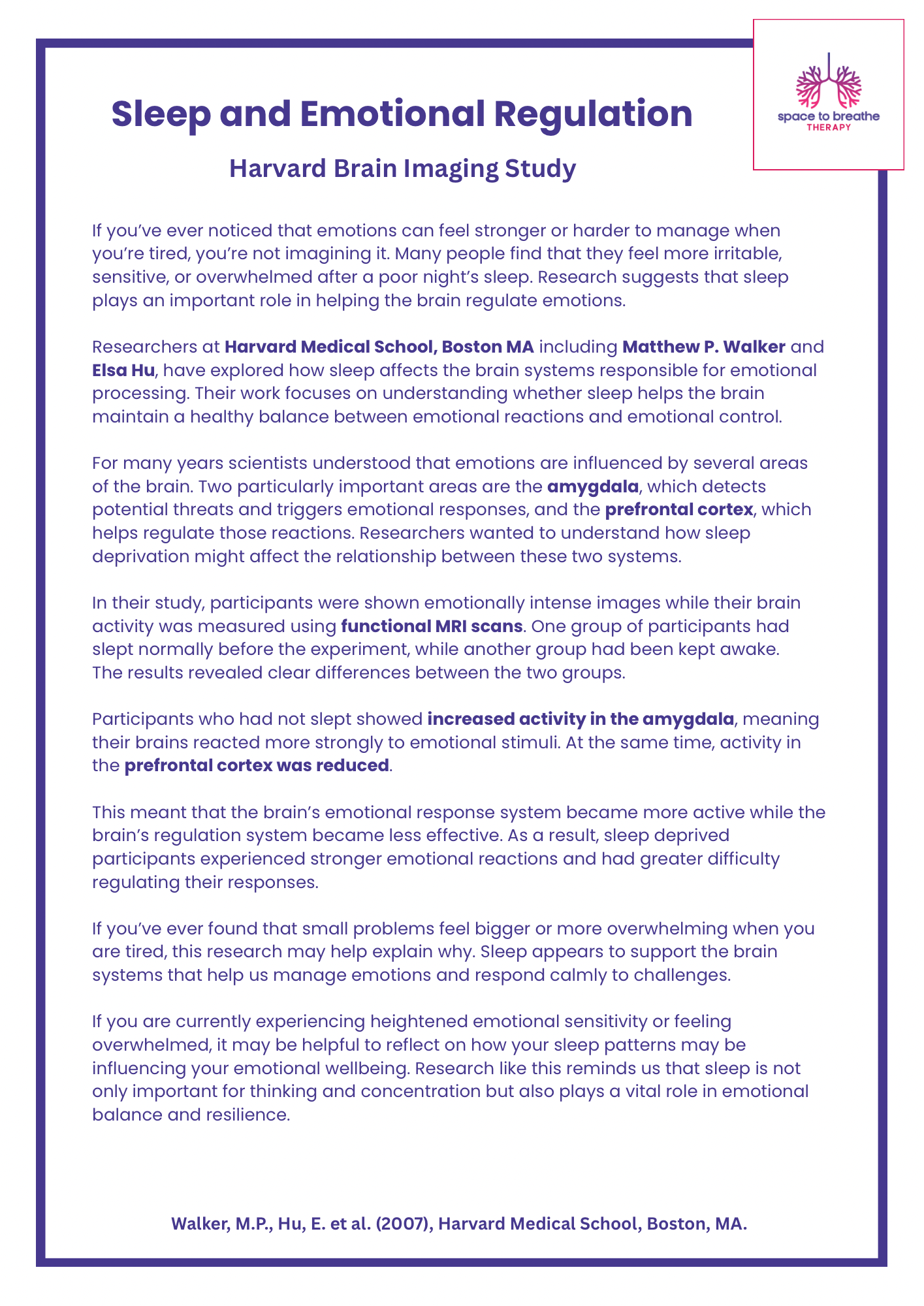
Sleep & Emotional Regulation

Sleep & Decision Making
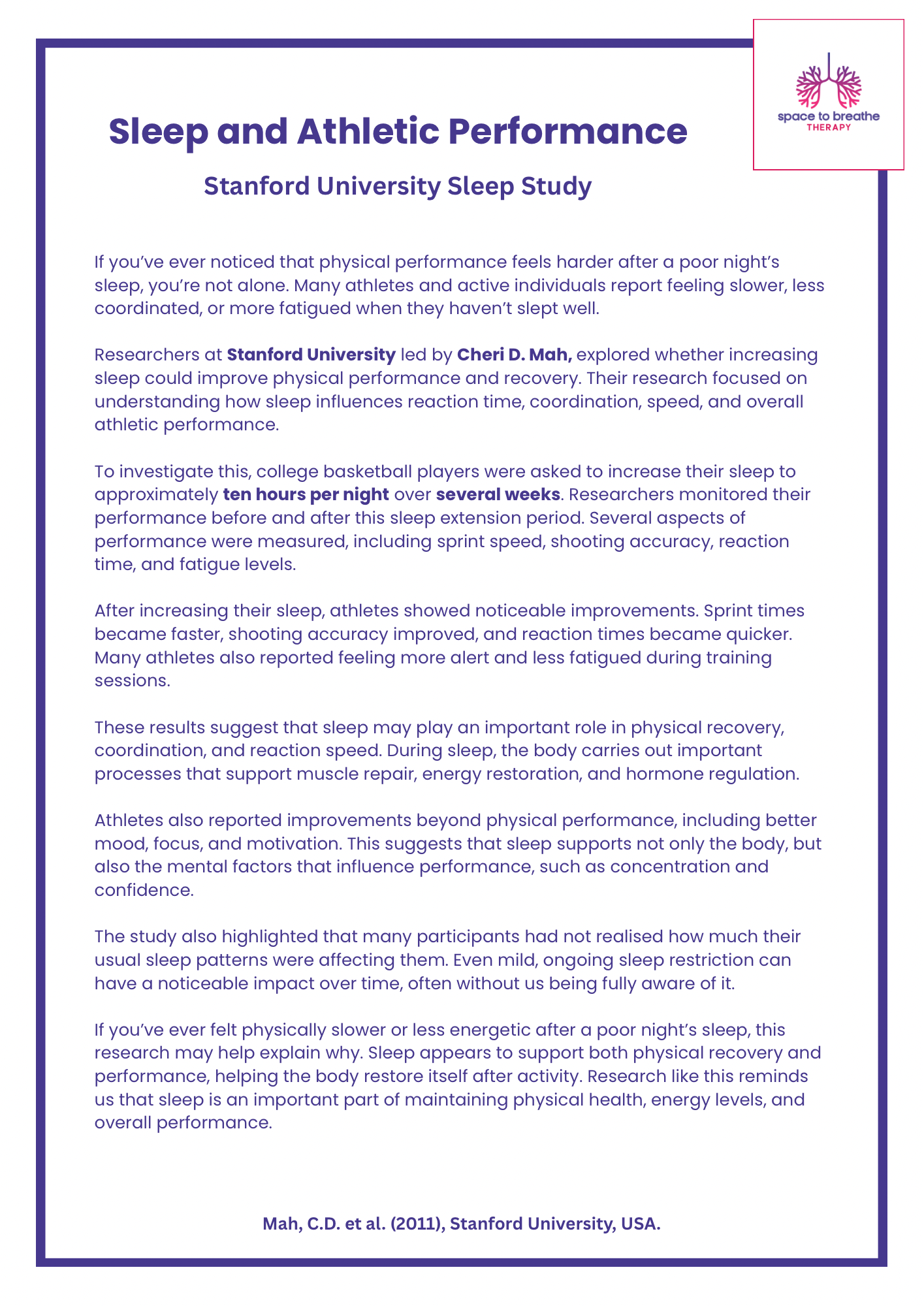
Sleep & Athletic Performance
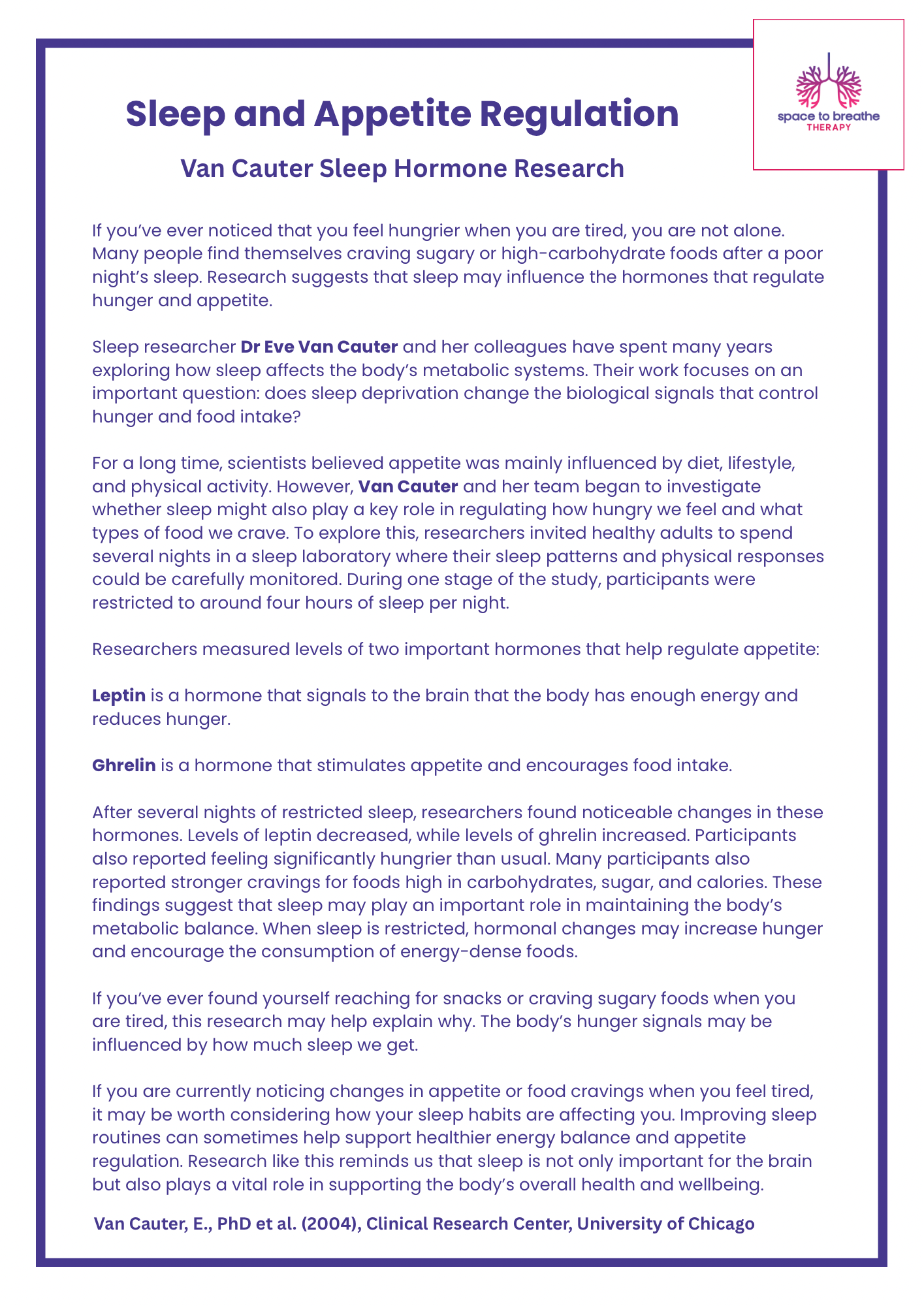
Sleep & Appetite Regulation
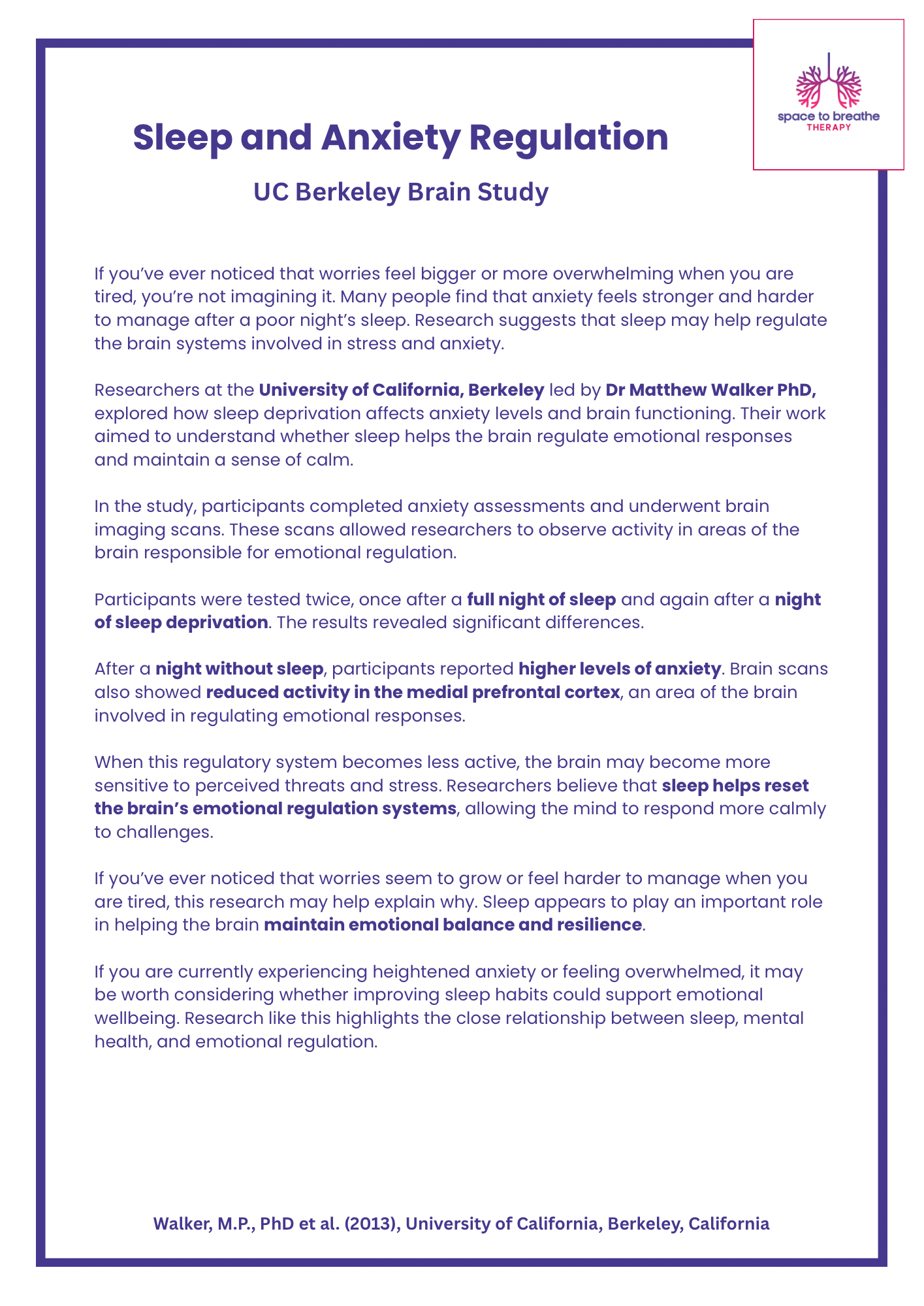
Sleep & Anxiety Regulation
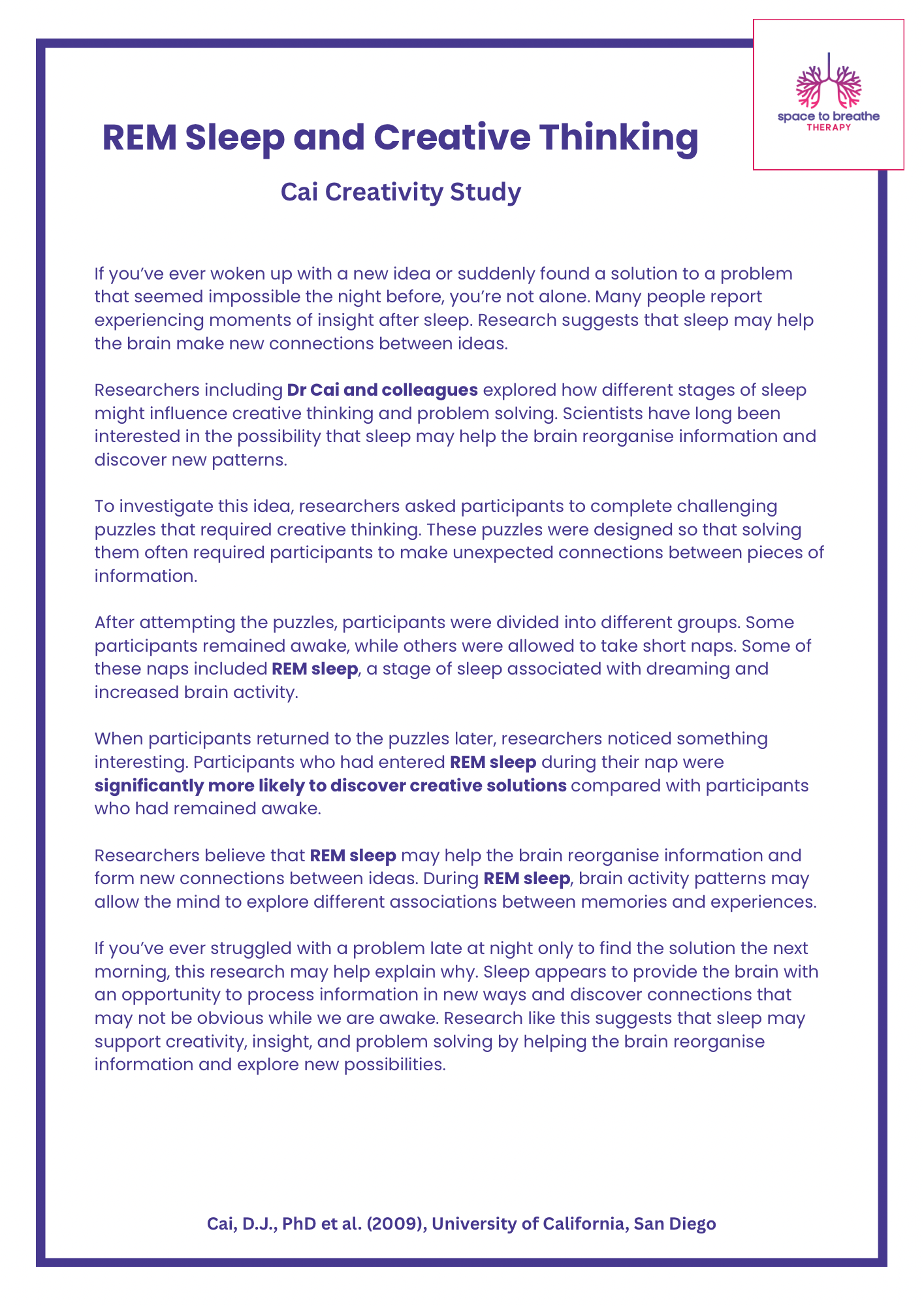
REM Sleep & Creative Thinking
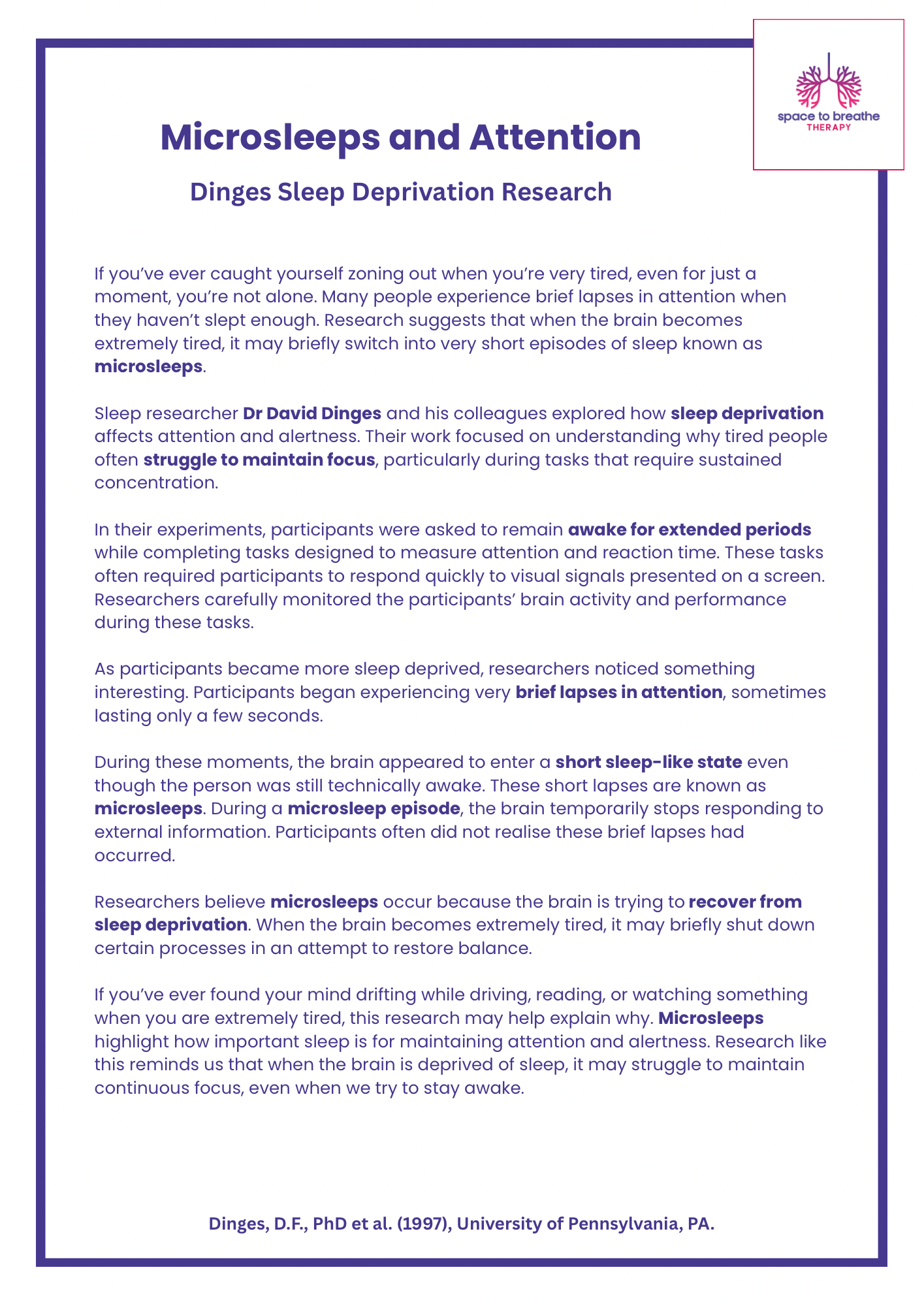
Microsleeps & Attention
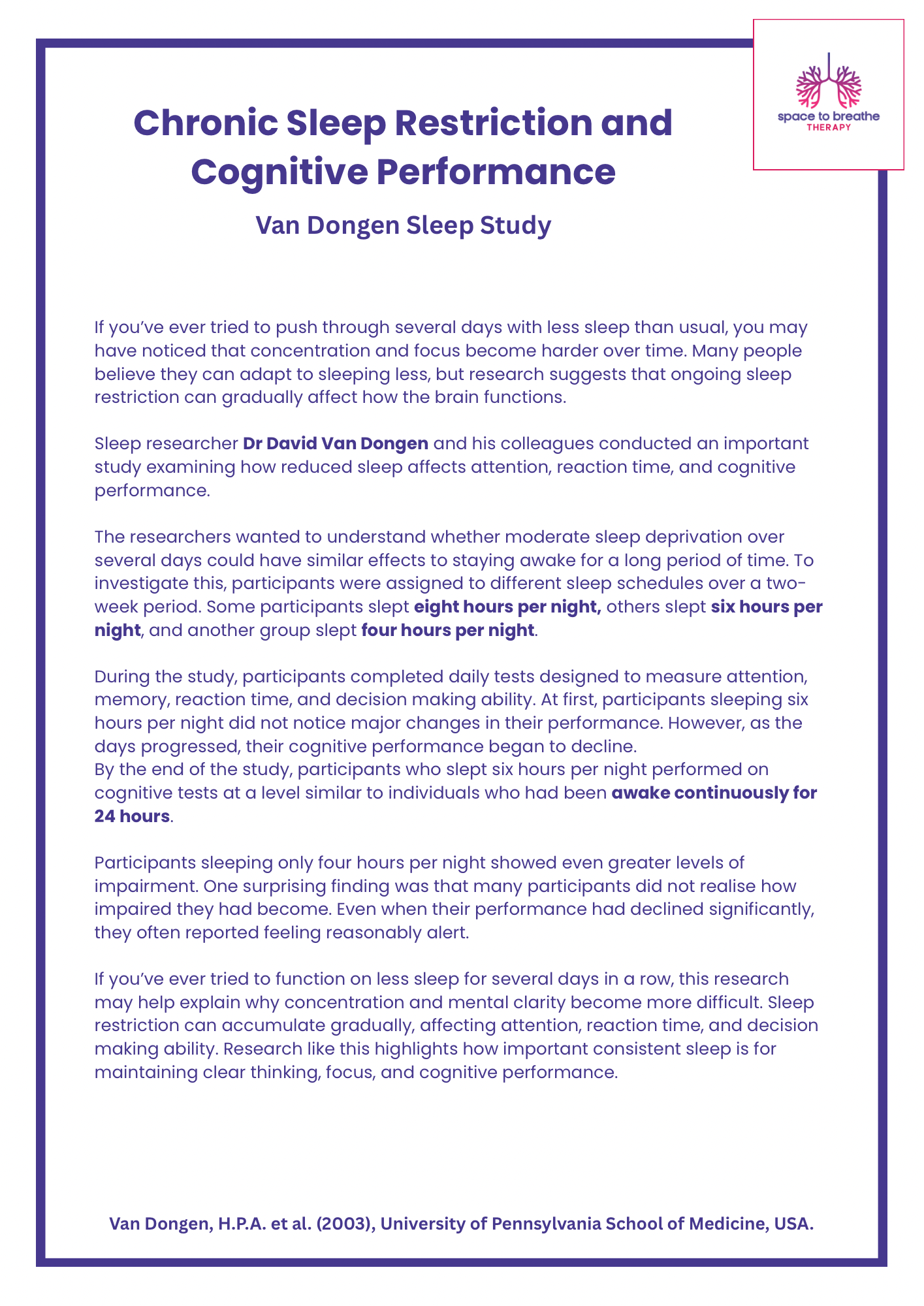
Chronic Sleep Restriction and Cognitive Performance
Phobias - A phobia is an intense and persistent fearof a specific object, situation, or activity that is out of proportion to anyreal danger it presents. Phobias are a type of anxiety disorder and can causesignificant distress, often leading people to avoid everyday situations in waysthat affect their wellbeing and daily life. This page explores what phobiasare, how they develop, and ways to better understand and manage thisexperience.
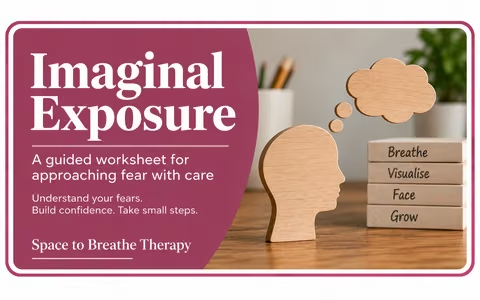
IMAGINAL EXPOSURE
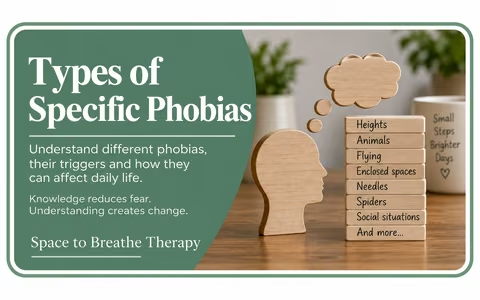
Types of Specific Phobias
Phobias can focus on many different triggers.
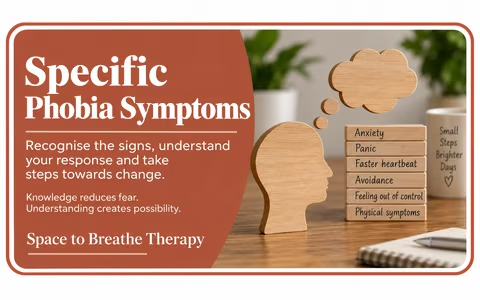
Specific Phobia Symptoms
A specific phobia is an intense fear linked to a particular object or situation.
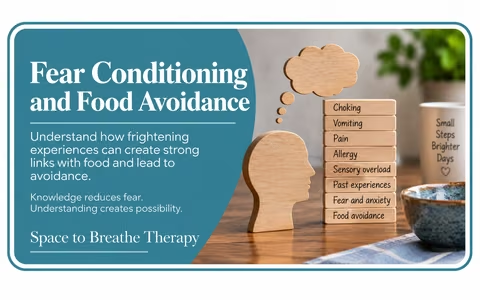
Fear Conditioning and Food Avoidance
After choking, vomiting, pain, allergy, sensory overload or another frightening experience, food can become paired with danger.
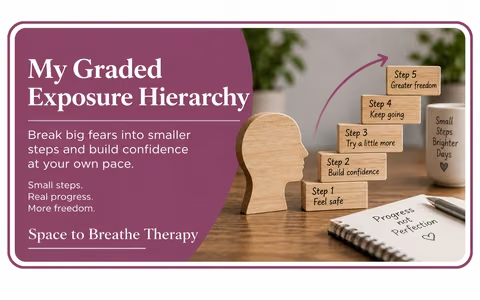
My Graded Exposure Hierarchy
A fear hierarchy turns one overwhelming goal into a series of chosen, repeatable steps.
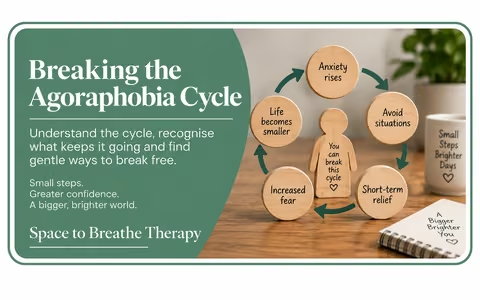
Breaking the Agoraphobia Cycle
The cycle is maintained by understandable attempts to feel safe. Mapping it can reveal where a gentle change is possible.
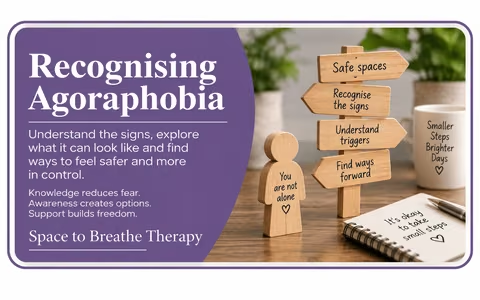
Recognising Agoraphobia
Agoraphobia is not simply a fear of open spaces. It can involve fear of situations where escape, help or a sense of safety may feel difficult.
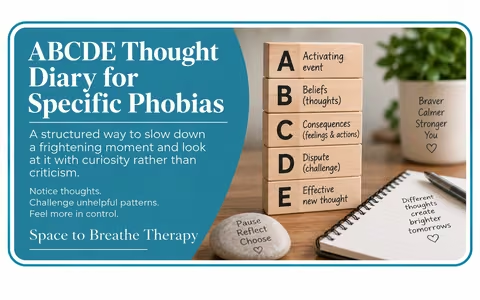
ABCDE Thought Diary for Specific Phobias
A structured way to slow down a frightening moment and look at it with curiosity rather than criticism.
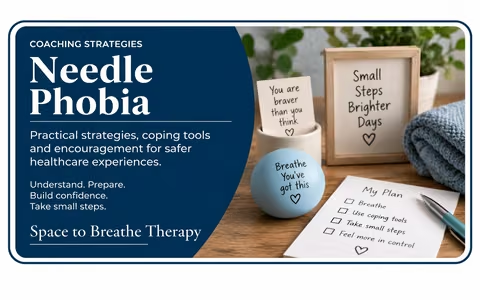
Needle Phobia: Coaching Strategies and Encouragement
Understanding phobias

Cynophobia

Claustrophobia

Arachnophobia

Aerophobia
Downloads - This section explores theconnection between physical health and emotional wellbeing. It looks at topicssuch as chronic illness, fatigue, hormones, sleep, and the nervous system,helping people better understand how these factors can influence mood, energy,and daily functioning.
POCKET SAFETY PLAN CARDS

MY PERSONAL SAFETY PLAN
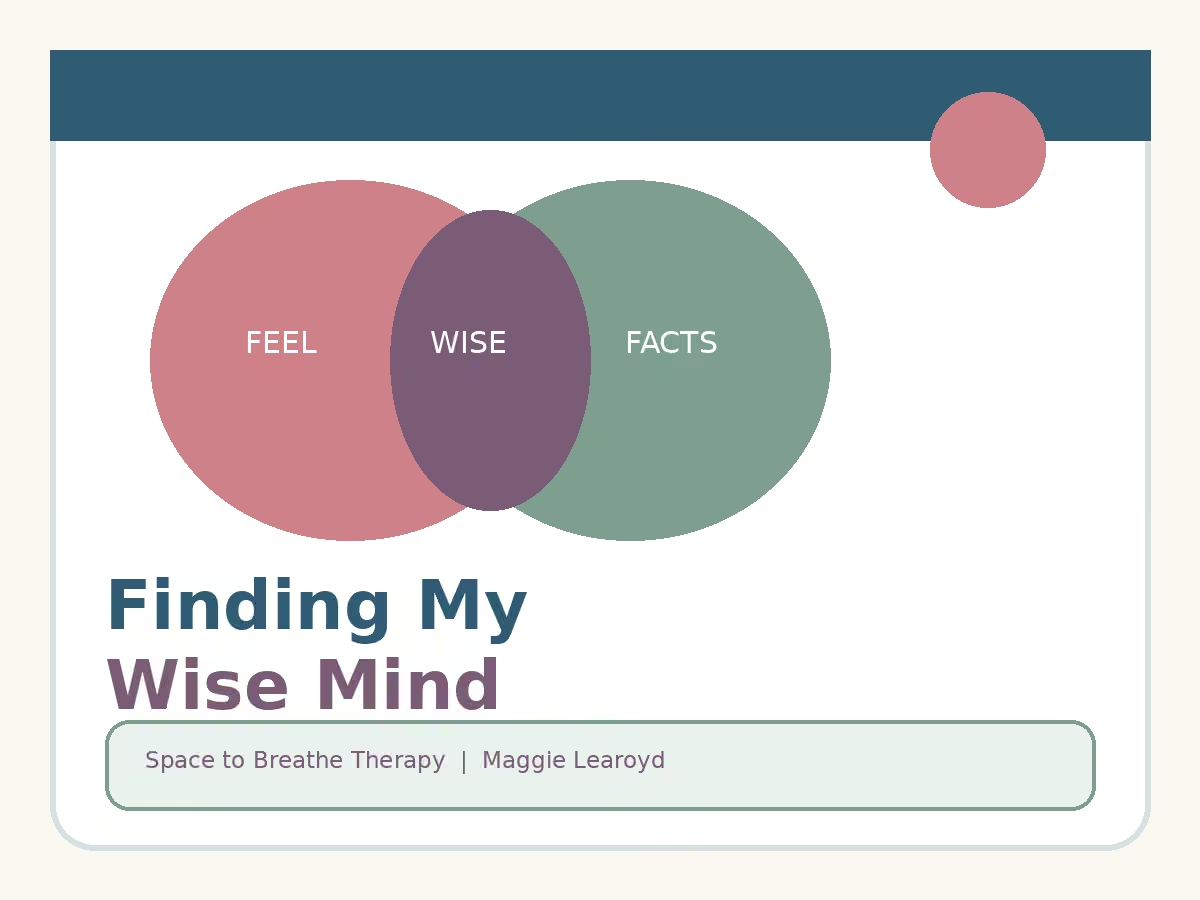
FINDING MY WISE MIND
WORRY THOUGHT RECORD
Hormones, Mood & Body Changes
My Mind-Body Wellbeing Plan
Rest, Recovery & Sleep Support
Pacing & Protecting My Energy
Living With Physical Symptoms
Understanding My Window of Tolerance
What Helps My Body Feel Safe?
My Nervous System Check-In
Stress: Where I Feel It in My Body
My Energy & Fatigue Patterns
Understanding My Body's Signals
My Body Awareness Check-In
Pain and/or Fatigue Diary
Sleep Diary
Exercise - This page explores the role of exercise in supporting mental and physical wellbeing. It looks at how movement, consistency, and finding the right type of activity can influence mood, energy, and overall body awareness.
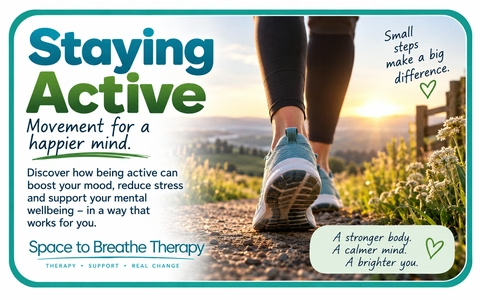
STAYING ACTIVE
Yoga - This page explores the role of exercise in supporting mental and physical wellbeing. It looks at how movement, consistency, and finding the right type of activity can influence mood, energy, and overall body awareness.
Move Within Your Limits - Every Body Moves Differently
Gentle Walking Movement for Body & Mind
Figure-Four Stretch - Hip & Glute Flexibility
Seated Side Stretch - Ribs, Waist & Shoulders
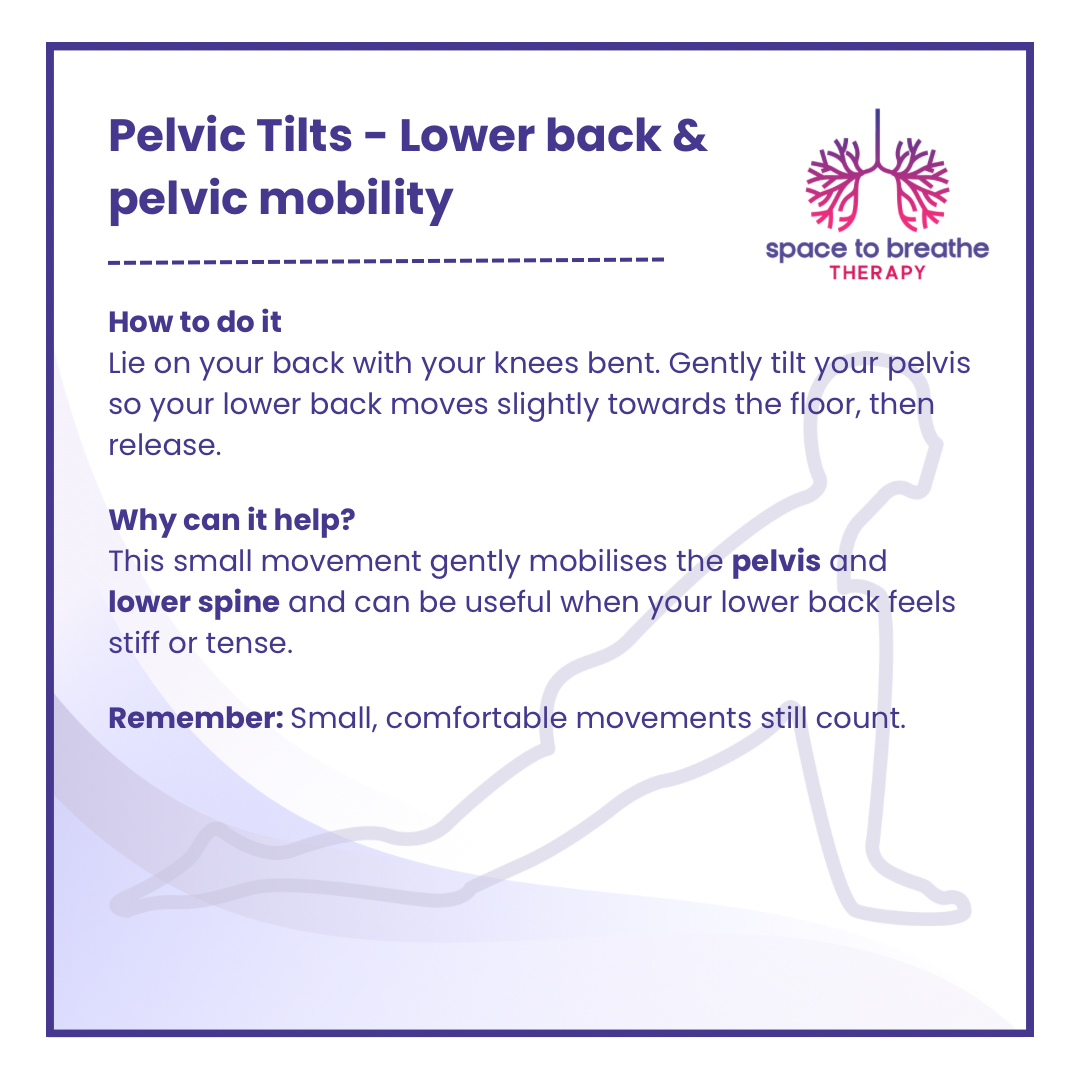
Pelvic Tilts - Lower Back & Pelvic Mobility
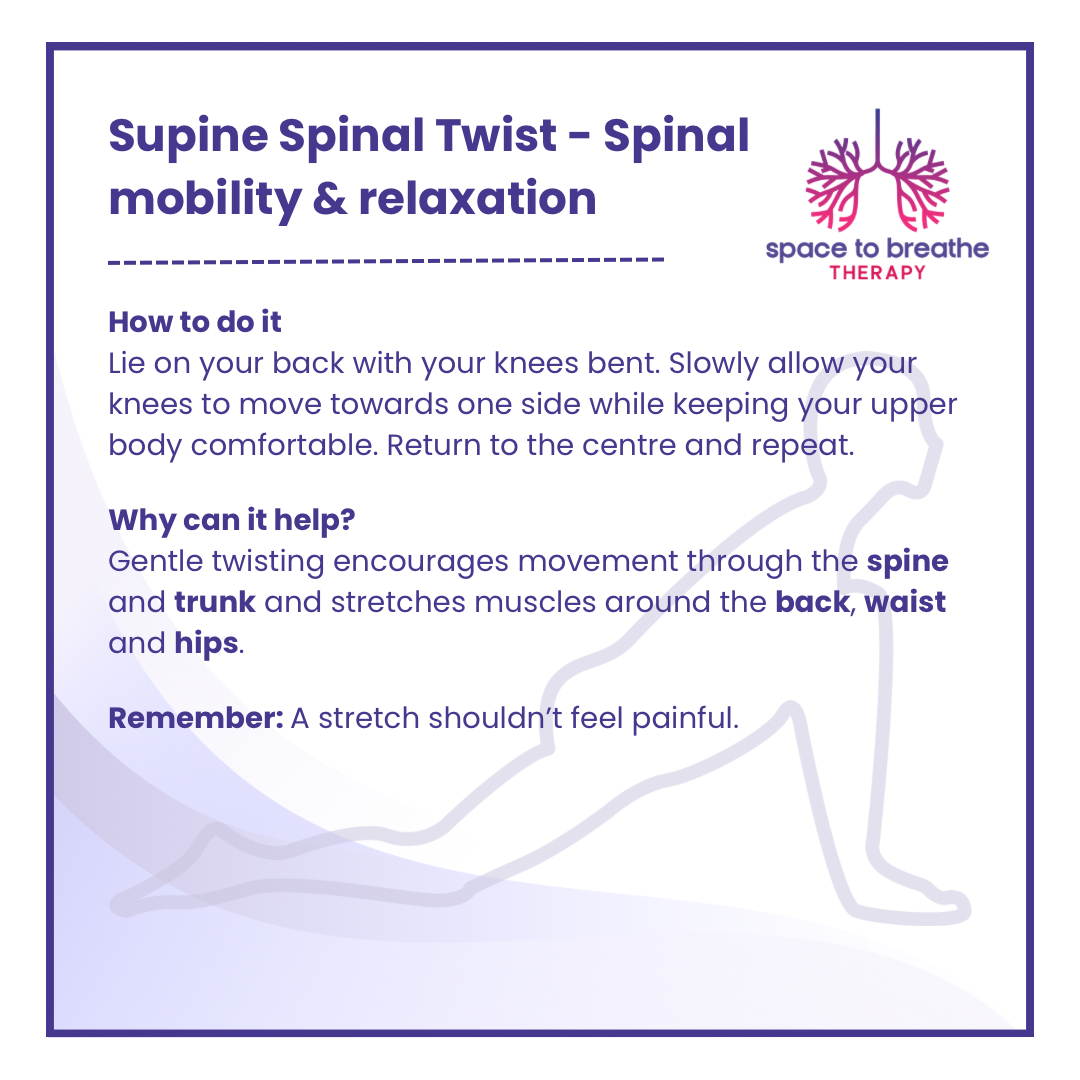
Supine Spinal Twist - Spinal Mobility & Relaxation
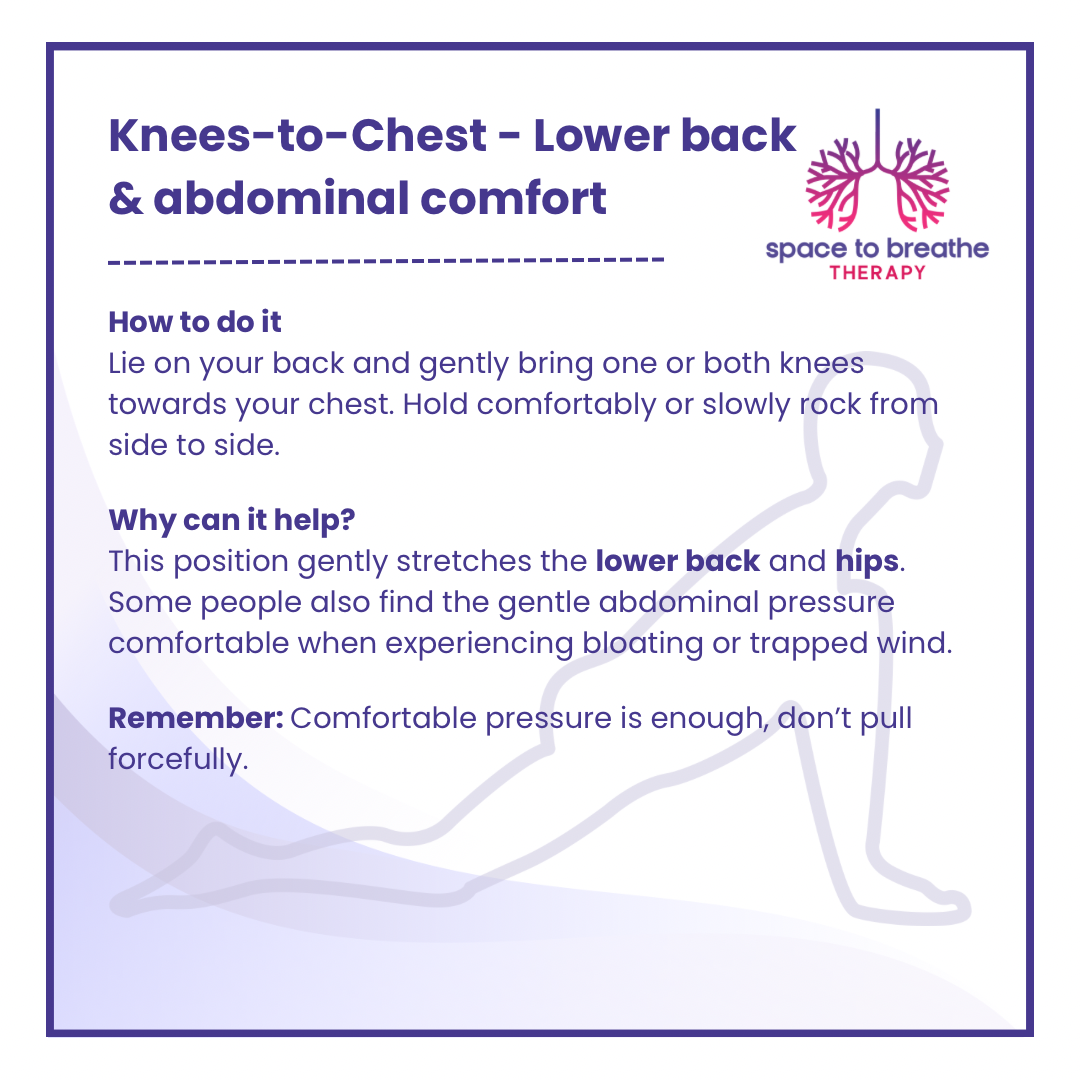
Knees-to-Chest - Lower Back & Abdominal Comfort
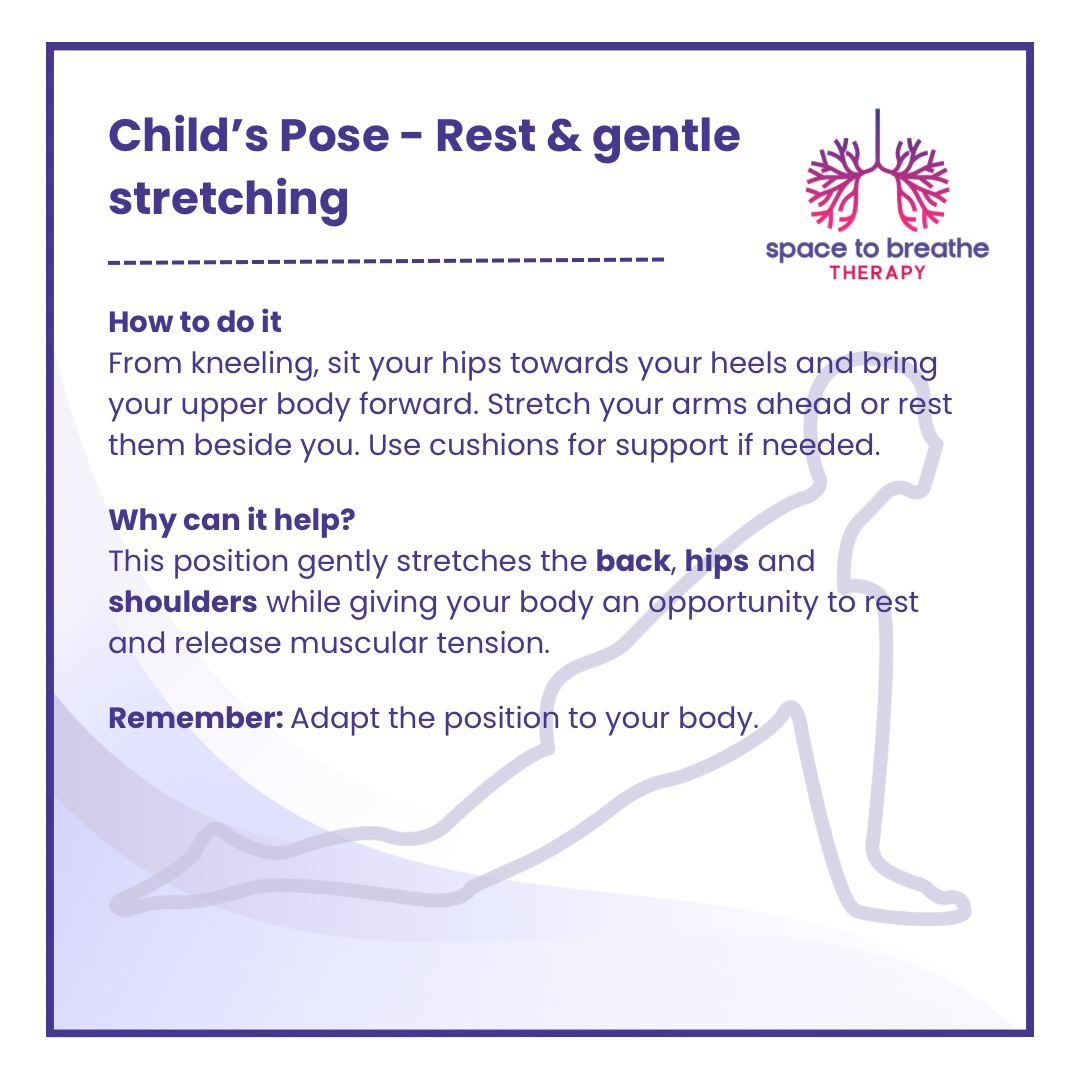
Child's Pose - Rest & Gentle Stretching
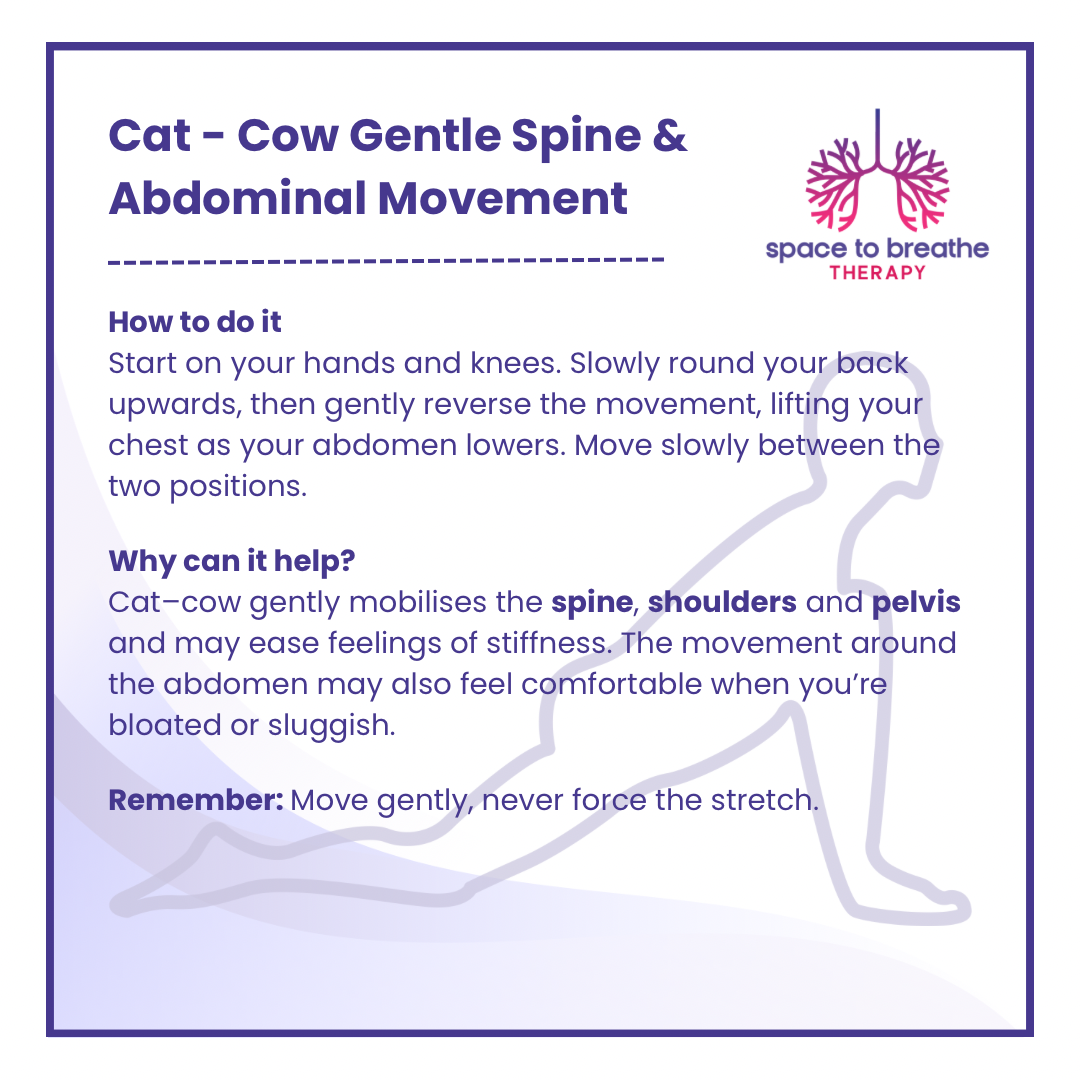
Cat - Cow Gentle Spine & Abdominal Movement
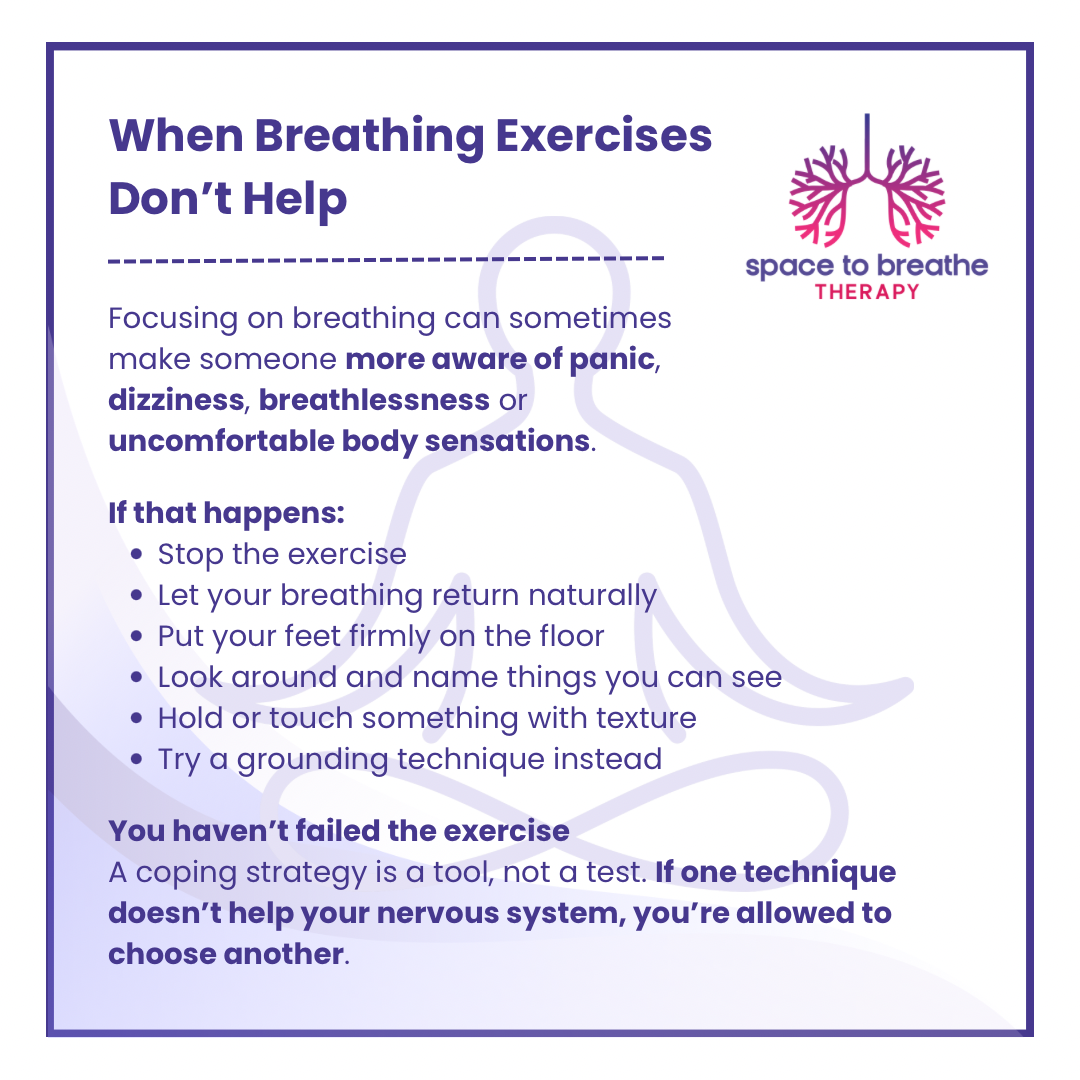
When Breathing Exercises Don't Help
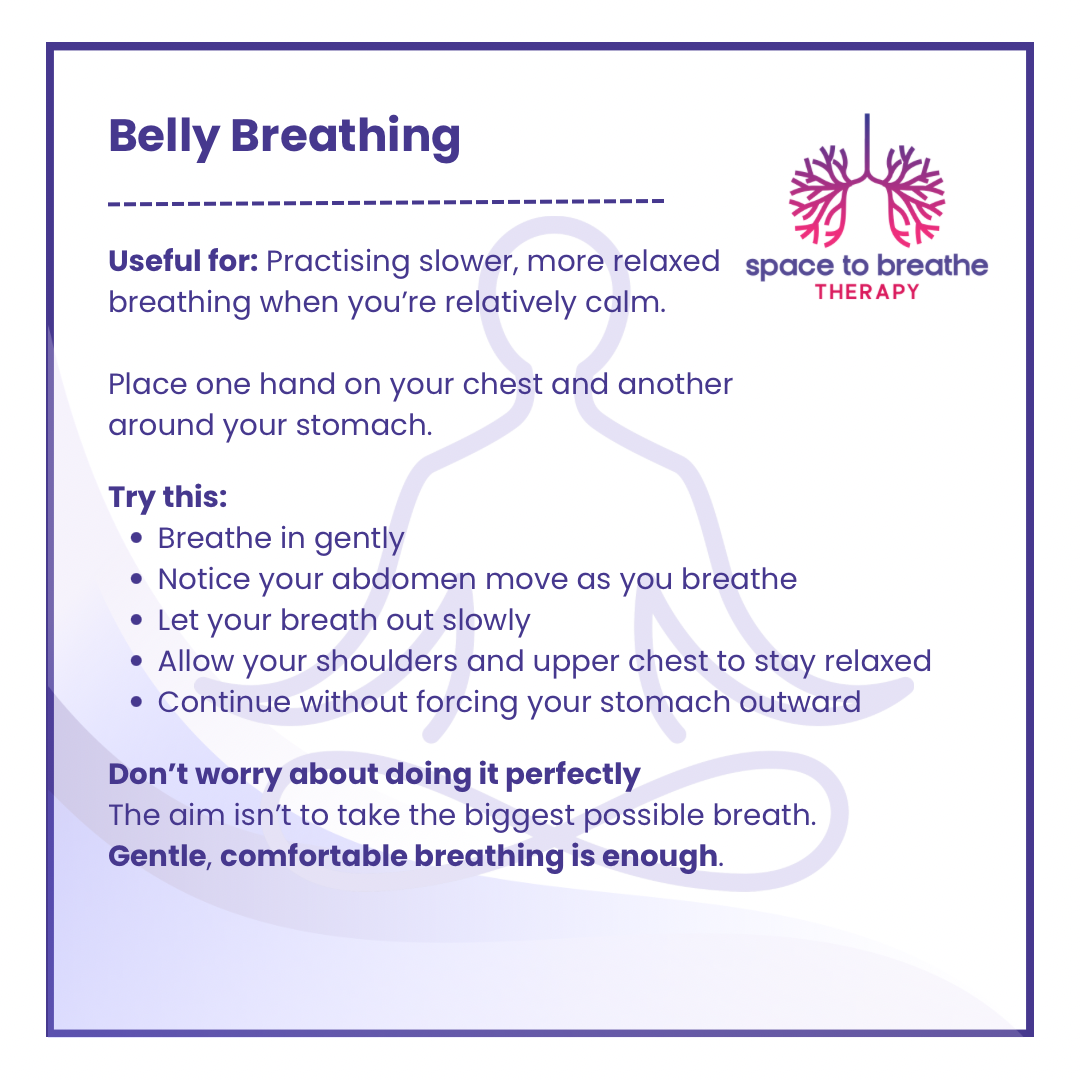
Belly Breathing
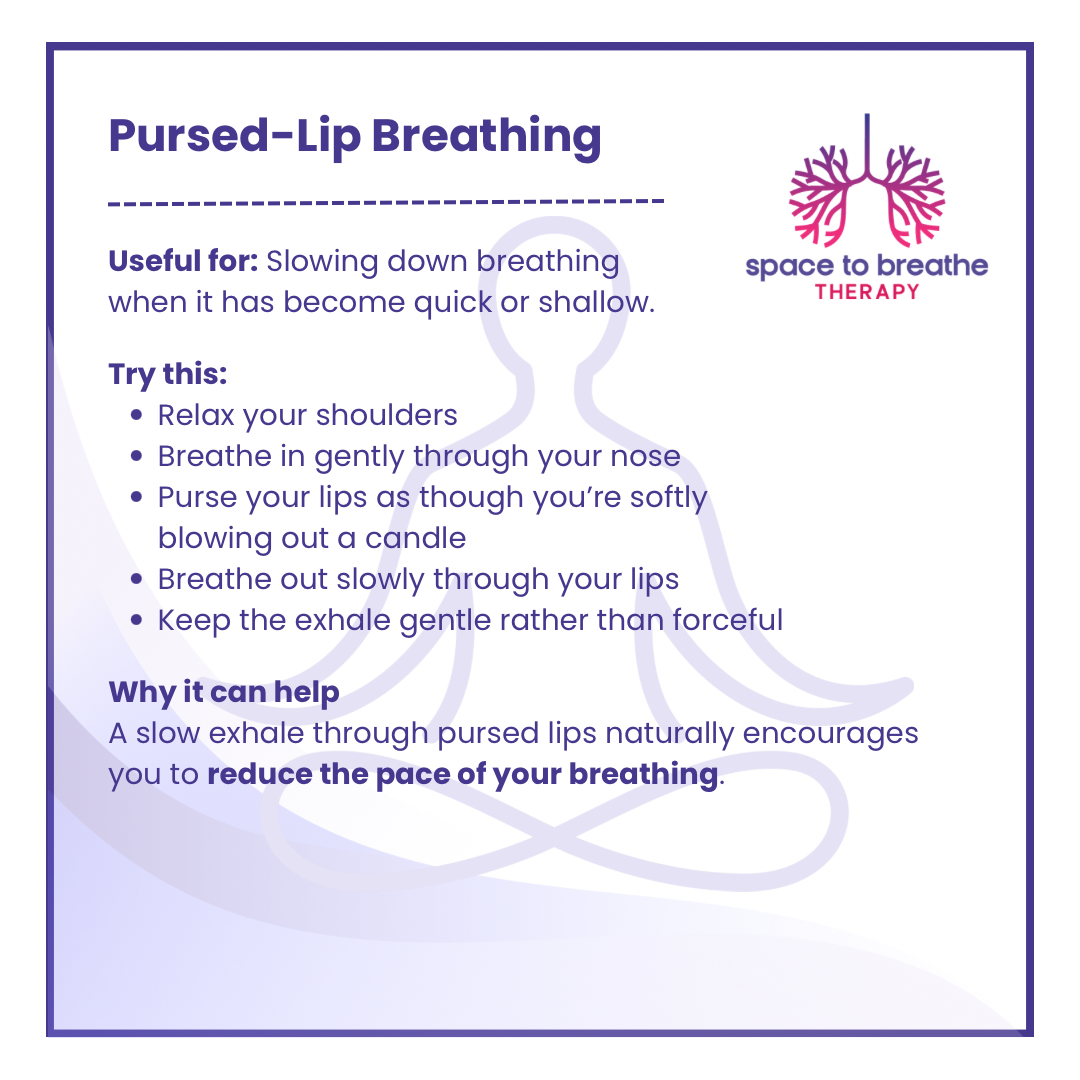
Pursed-Lip Breathing
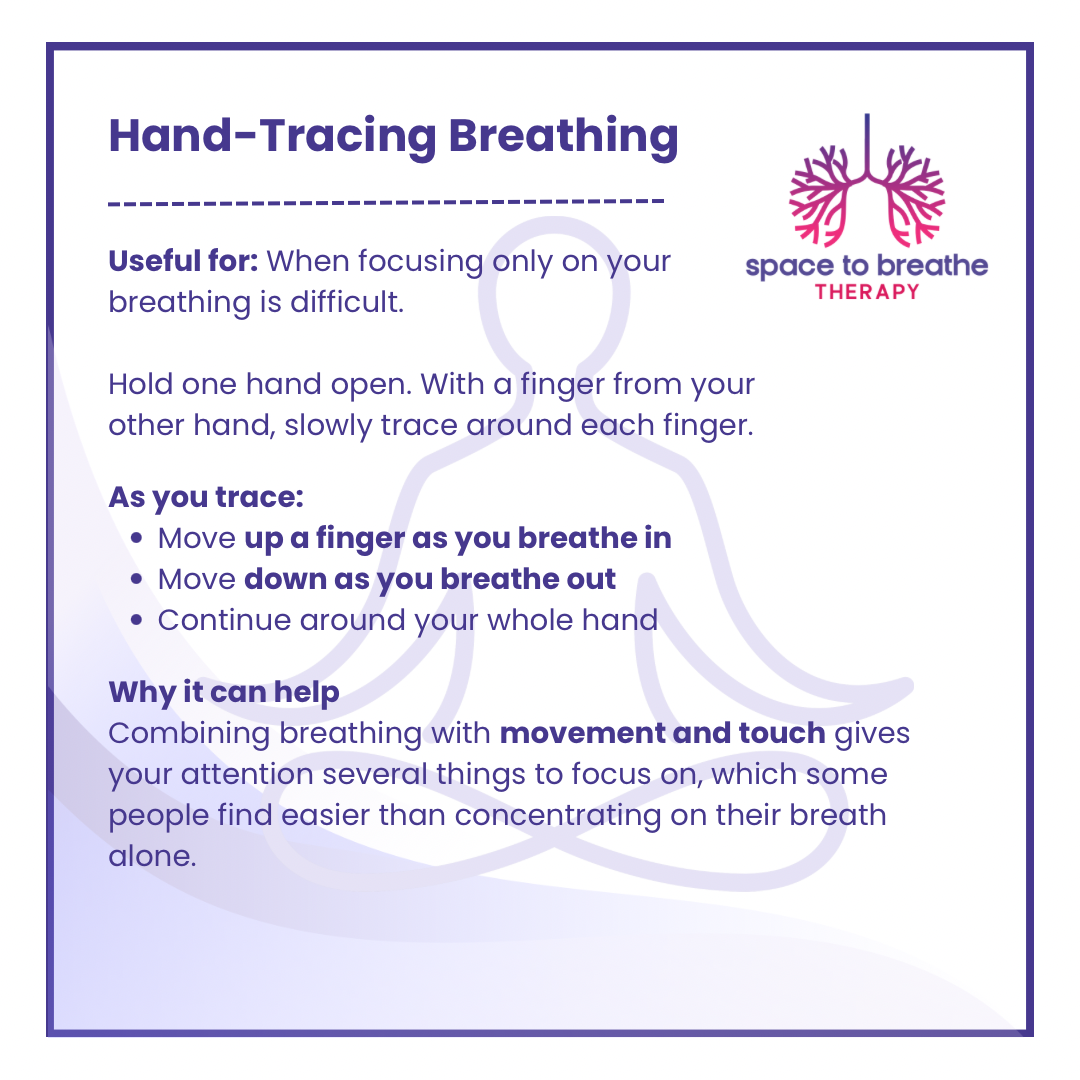
Hand-Tracing Breathing
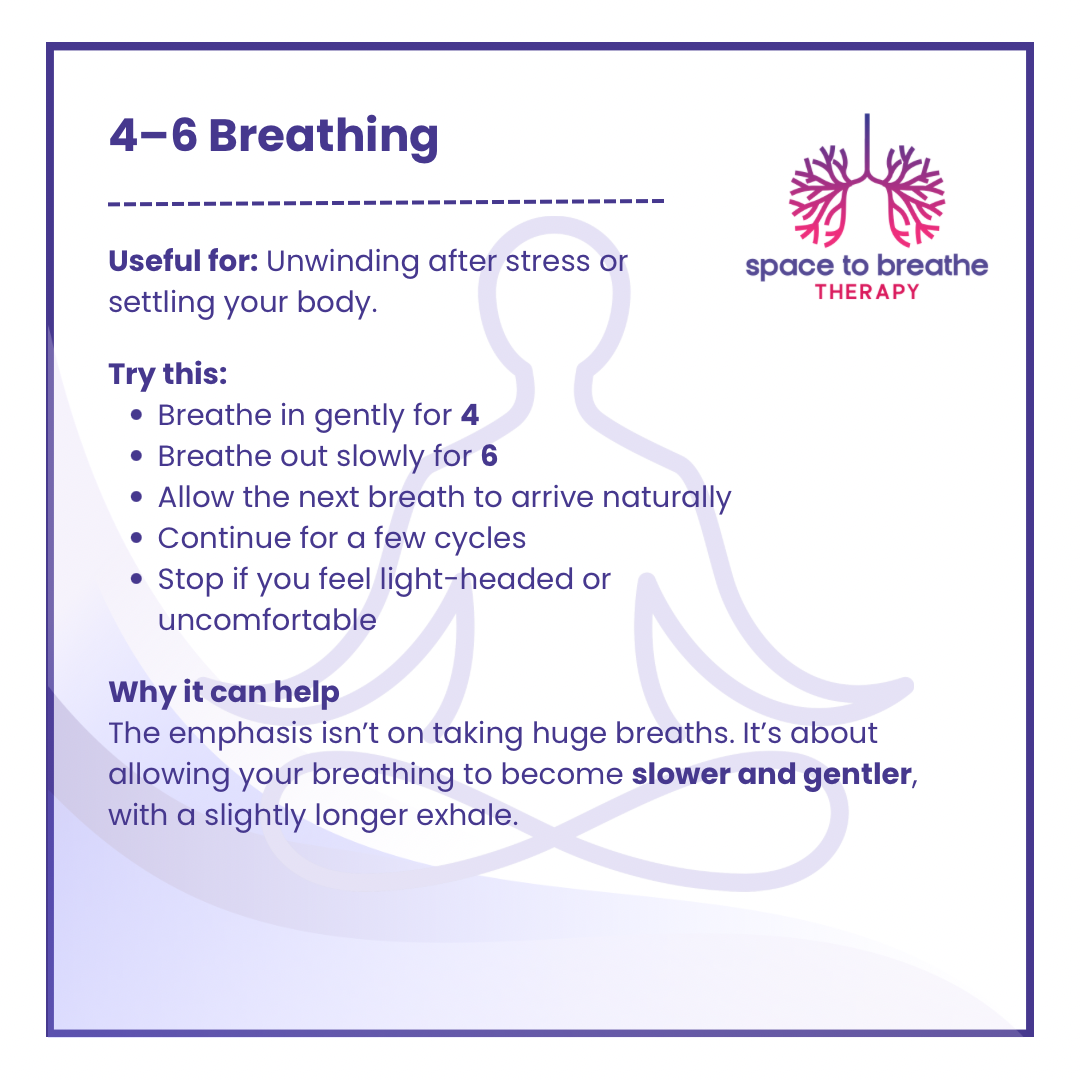
4-6 Breathing
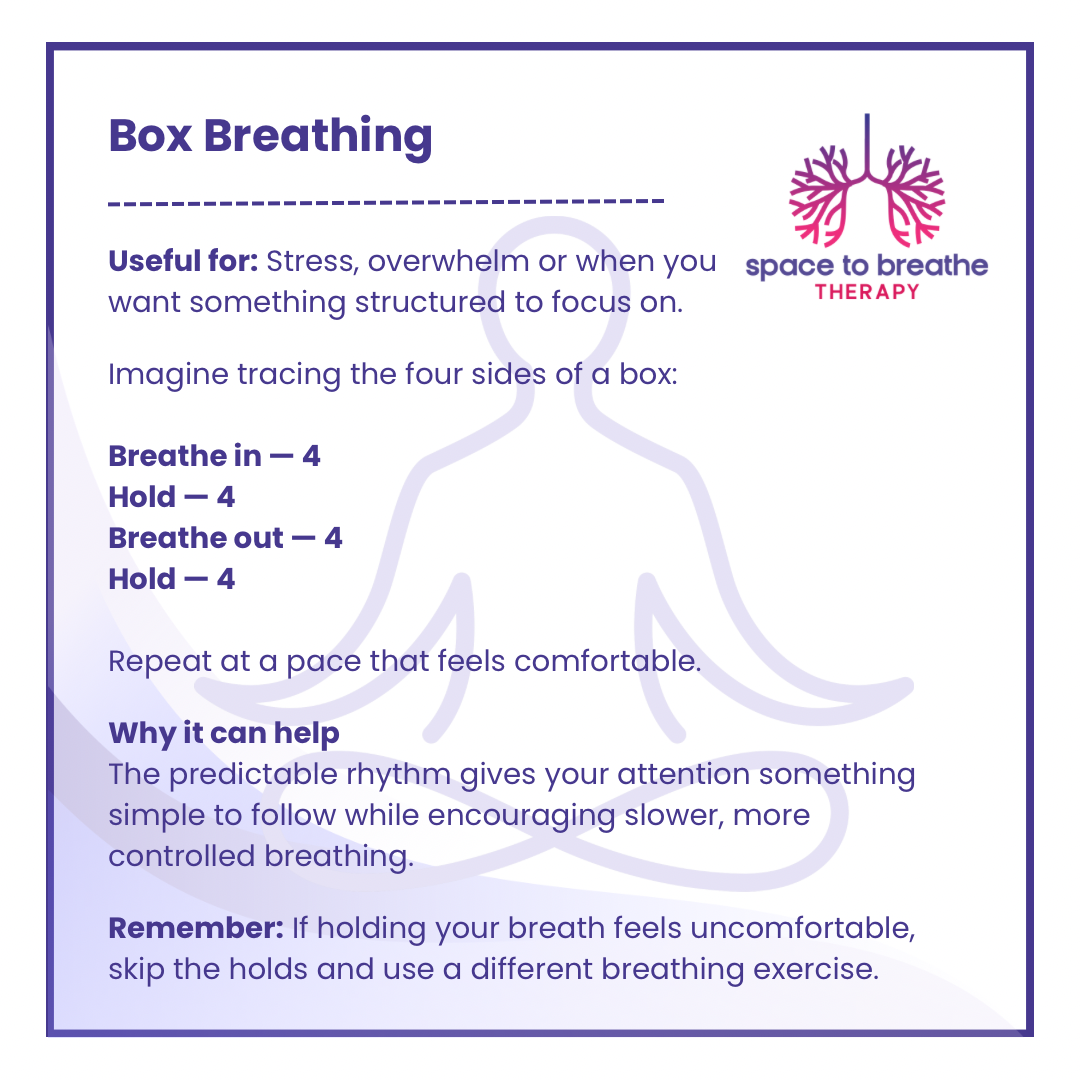
Box Breathing
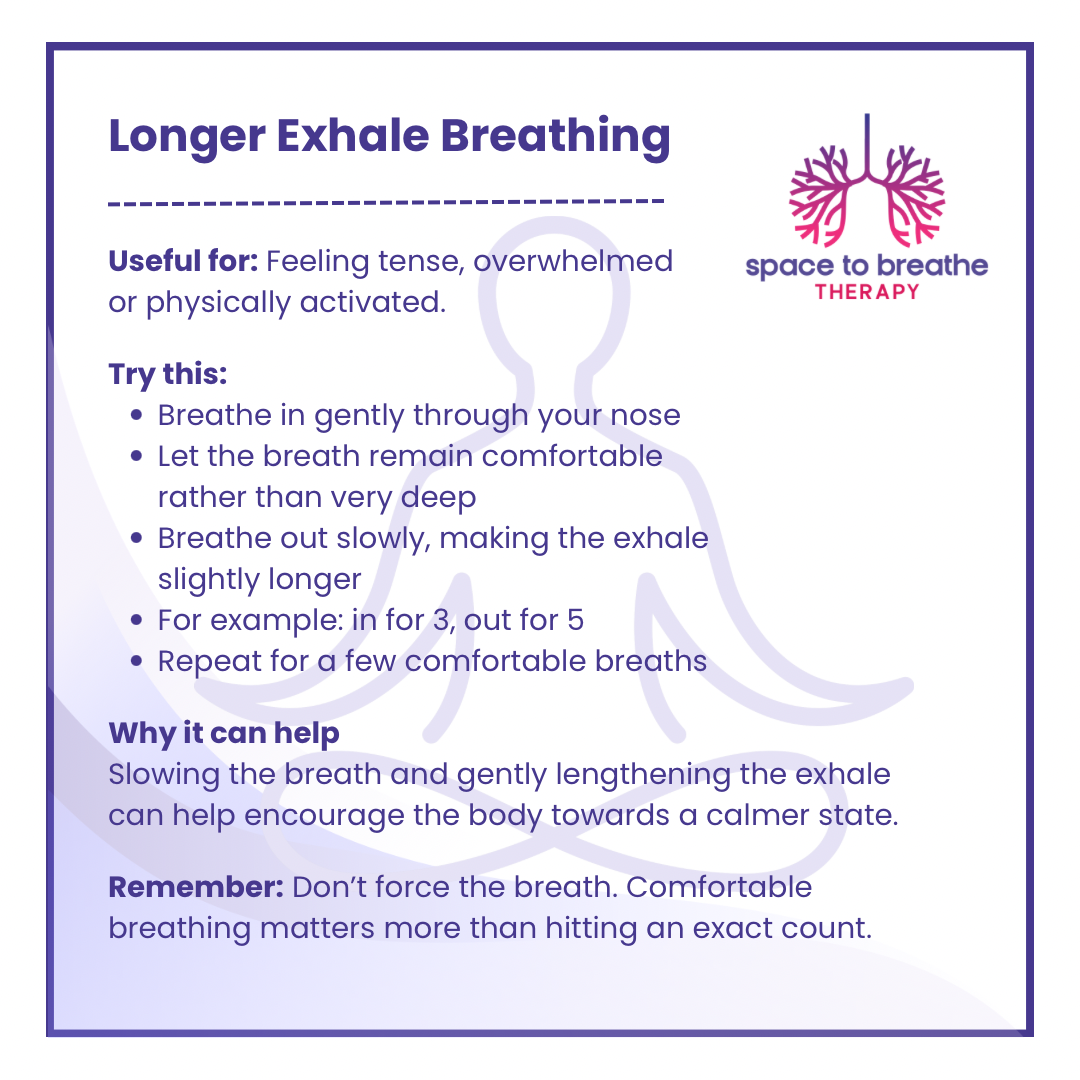
Longer Exhale Breathing
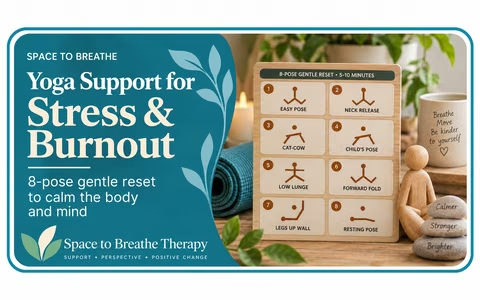
Yoga support for Stress & burnout
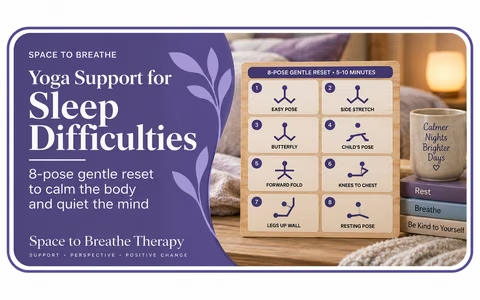
Yoga support for Sleep difficulties

Yoga support for PCOS / PCOD
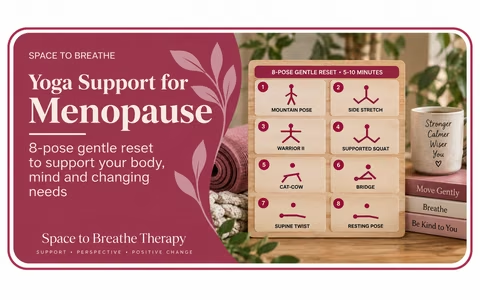
Yoga support for Menopause
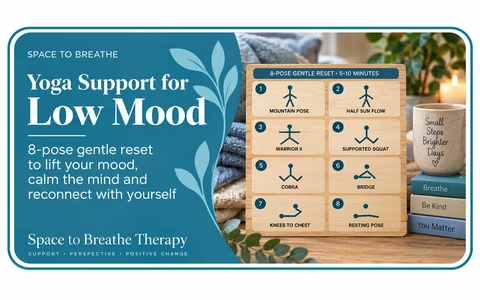
Yoga support for Low mood
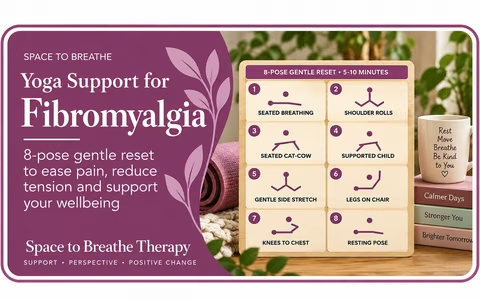
Yoga support for Fibromyalgia
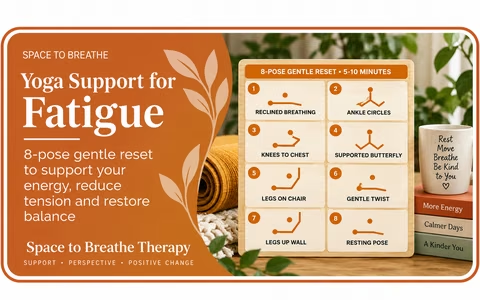
Yoga support for Fatigue
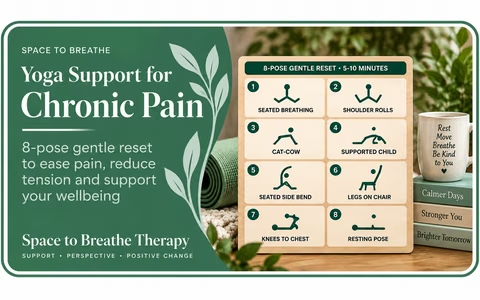
Yoga support for Chronic pain
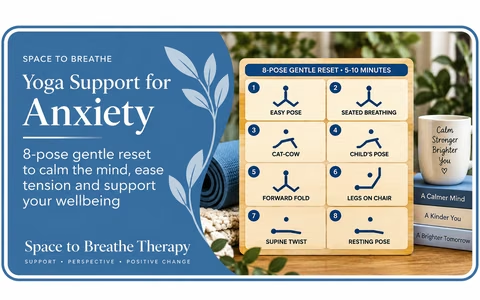
Yoga support for Anxiety
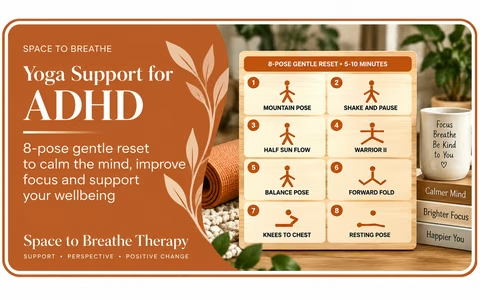
Yoga support for ADHD

Yoga for Men’s Mental Health

Yoga for Fatigue

Yoga for Hormone Balance
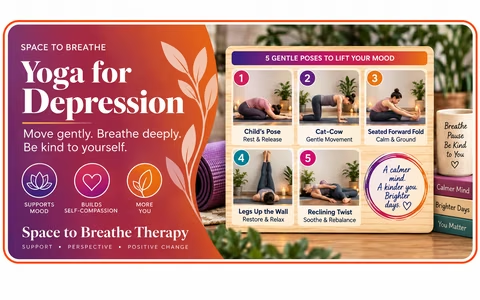
Yoga for Depression
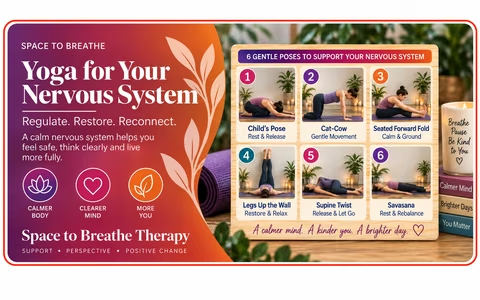
Yoga for Your Nervous System

Yoga for the Mind
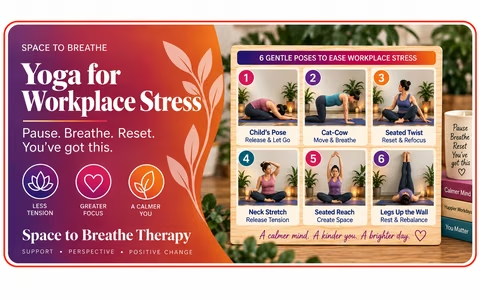
Yoga for Workplace Stress

Yoga for Substance Misuse Recovery

Yoga for Better Sleep

Yoga for Chronic Illness
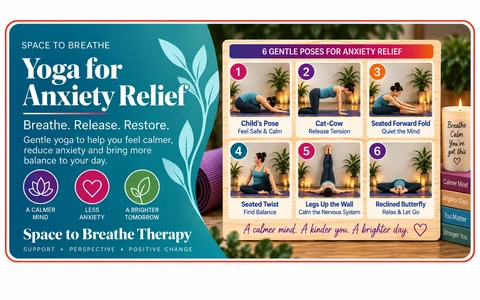
Yoga for Anxiety

Yoga for the ADHD
Strength Training - This page explores the benefits of strength training for physical and mental health. It looks at how building strength can support confidence, resilience, and a stronger connection to the body over time.
Cycling - This page explores cycling as a way to support physical and mental wellbeing. It looks at how regular movement, time outdoors, and building endurance can boost mood, energy, and overall body awareness.
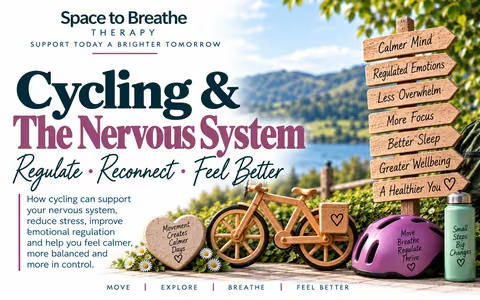
CYCLING & THE NERVOUS SYSTEM
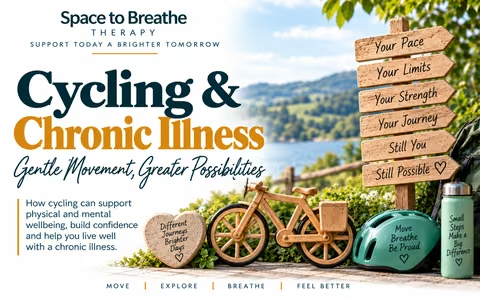
CYCLING & CHRONIC ILLNESS
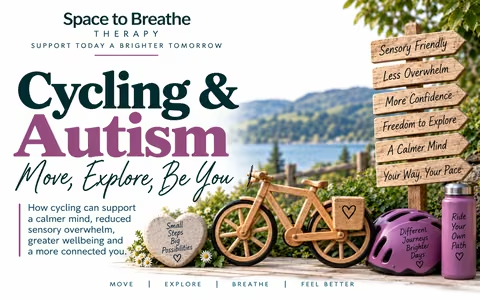
CYCLING & AUTISM
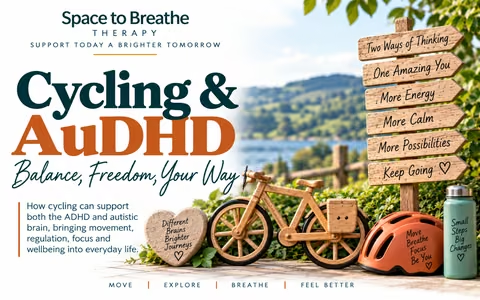
CYCLING & AuDHD
CYCLING & AUTISM
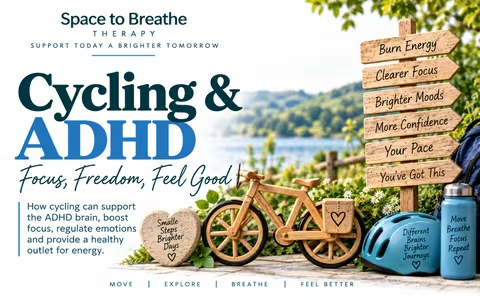
CYCLING & ADHD
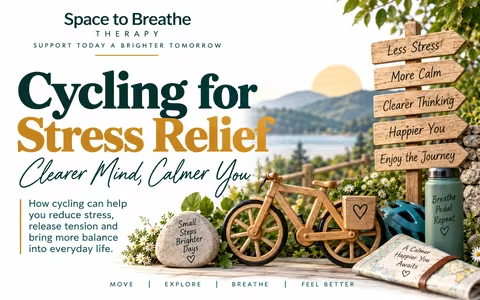
CYCLING FOR STRESS RELIEF
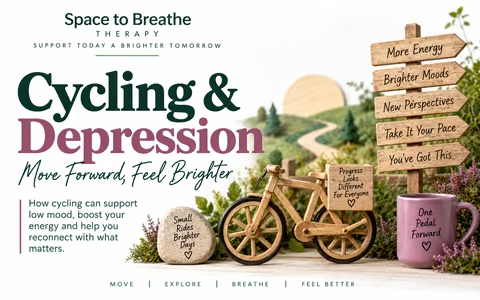
CYCLING & DEPRESSION
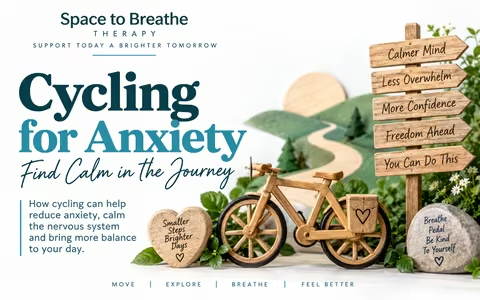
CYCLING FOR ANXIETY
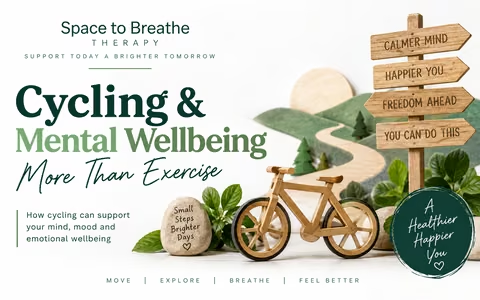
CYCLING & MENTAL WELLBEING
Coaching - This page explores coaching support for building a healthier relationship with physical activity and body awareness. It looks at how personalised guidance can help set realistic goals, build confidence, and create sustainable habits around movement.
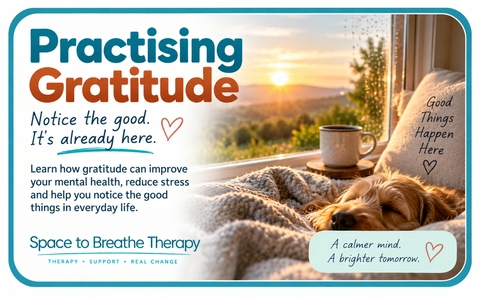
PRACTISING GRATITUDE
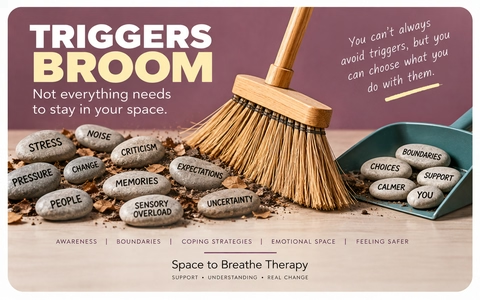
THE TRIGGER'S BROOM EFFECT

LET'S TRASH CAN IT
THE THOUGHT WALL
THE UNSAID WALL

MENTAL HEALTH SUPPORT GROUPS — UK DIRECTORY

ANXIETY, PANIC & OCD SUPPORT GROUPS - UK WIDE
The Letter I Never Sent. Saying what was never safe or possible to say
IMAGINAL EXPOSURE
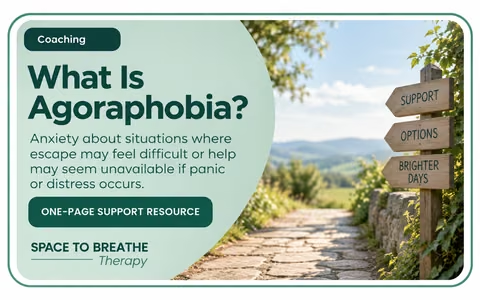
What Is Agoraphobia?
Agoraphobia is anxiety about situations where escape may feel difficult
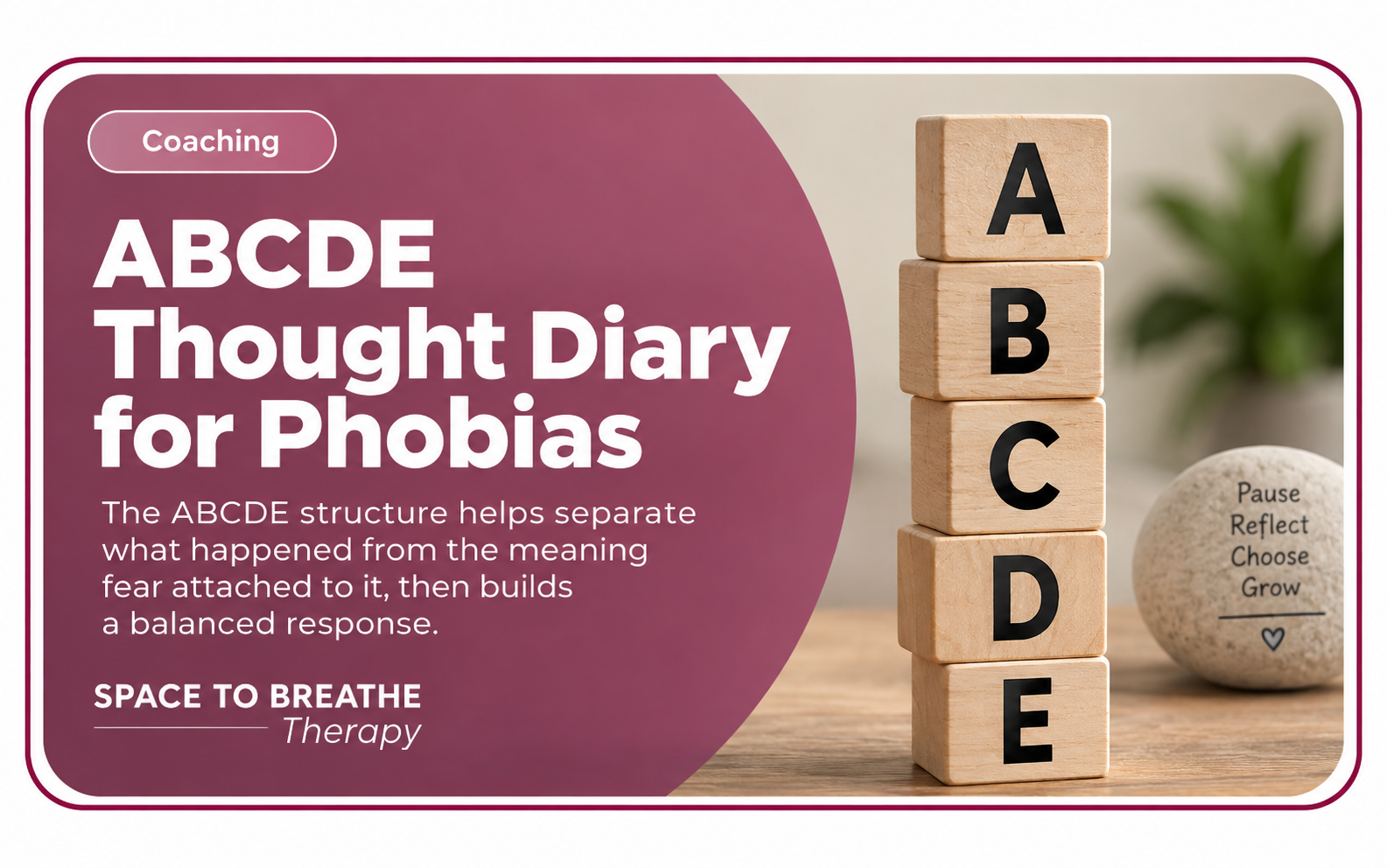
ABCDE Thought Diary for Phobias
The ABCDE structure helps separate what happened from the meaning fear attached to it.
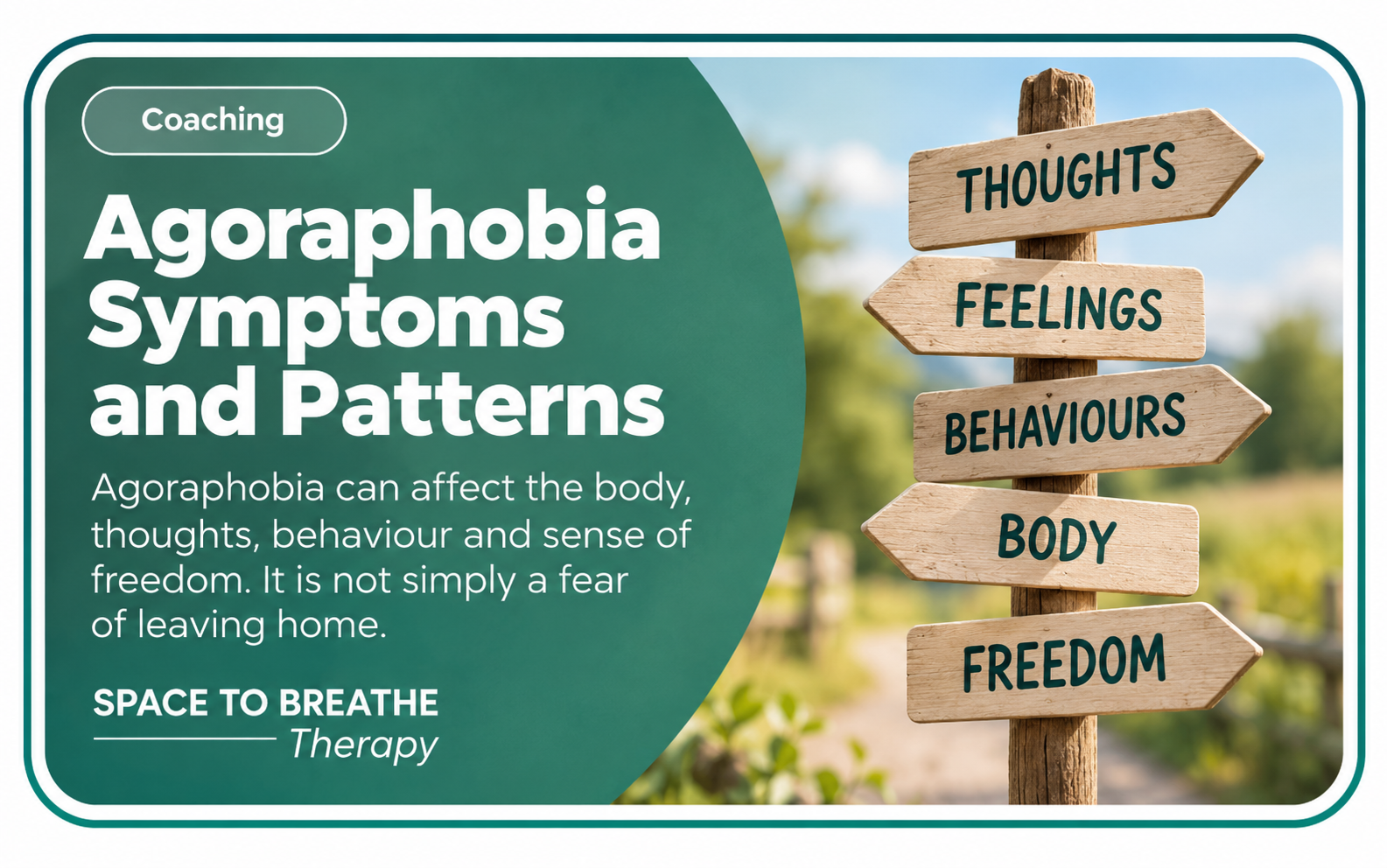
Agoraphobia Symptoms and Patterns
Agoraphobia can affect the body, thoughts, behaviour and sense of freedom.
Types of Specific Phobias
Categories are useful for understanding, but each person’s experience remains individual.
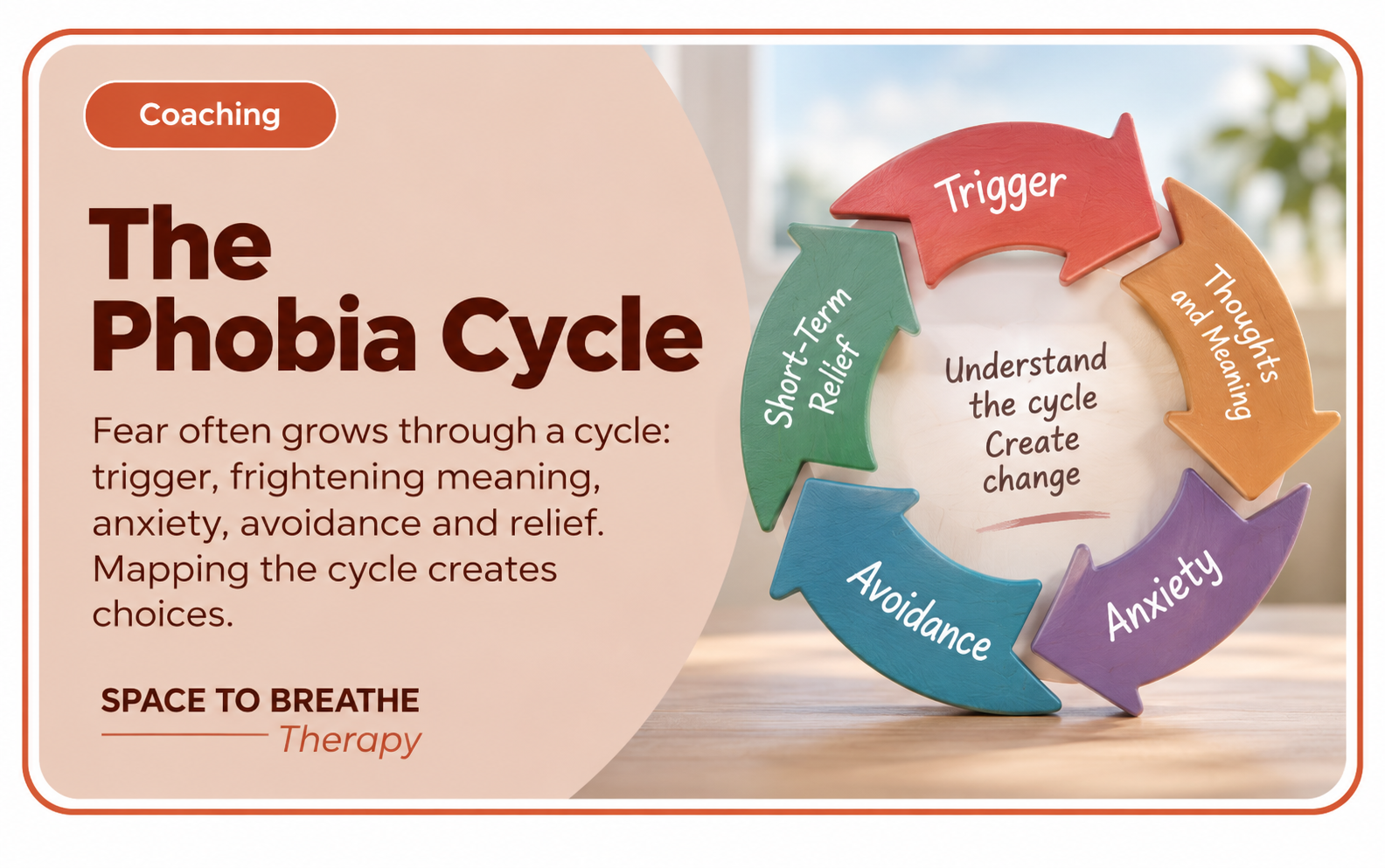
The Phobia Cycle
Fear often grows through a cycle
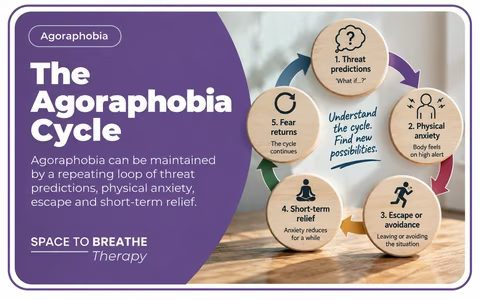
The Agoraphobia Cycle
Agoraphobia can be maintained
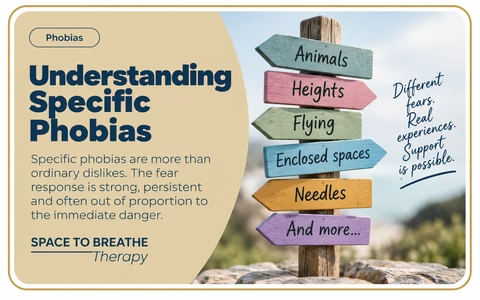
Understanding Specific Phobias
Specific phobias are more than ordinary dislikes.
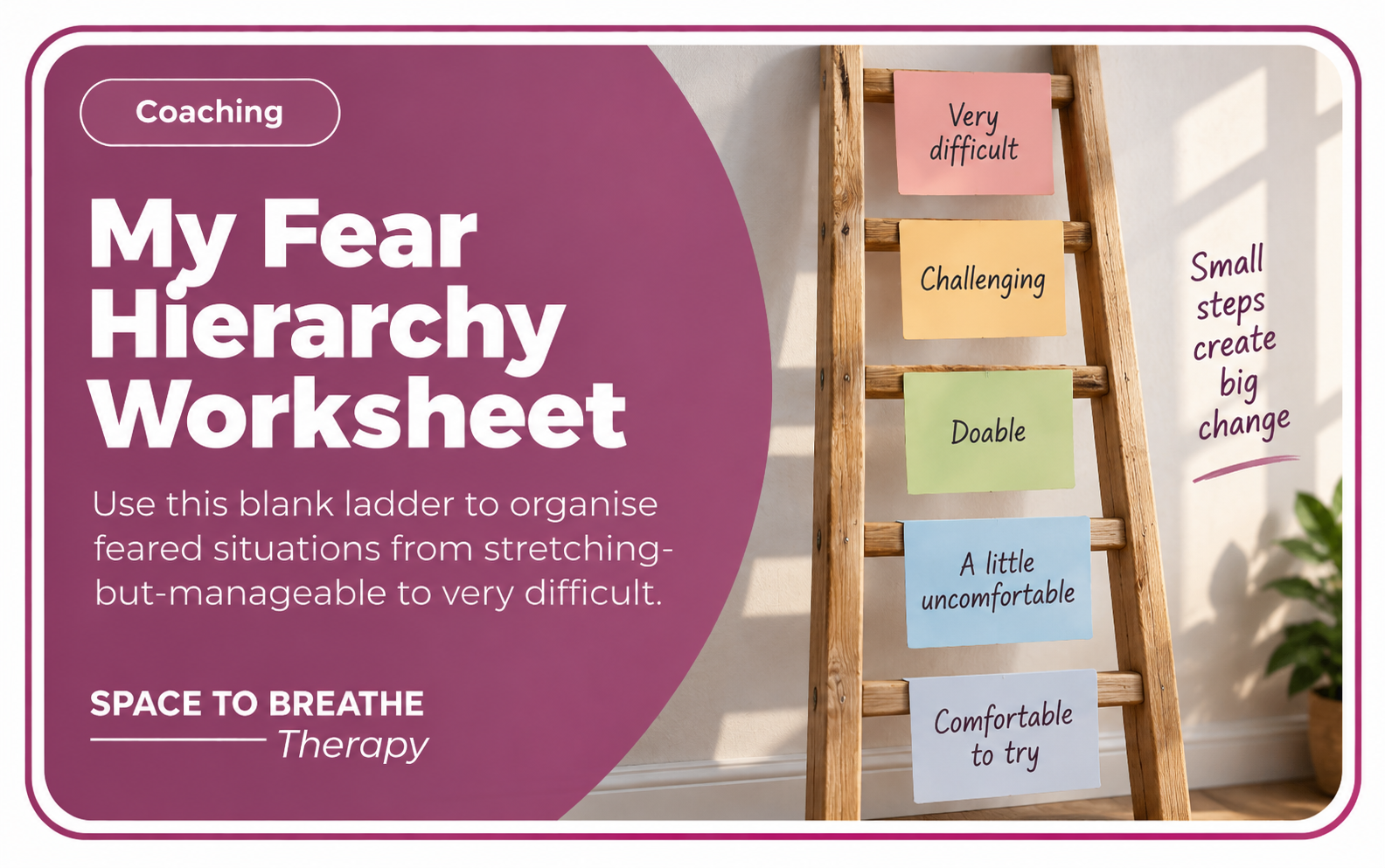
My Fear Hierarchy Worksheet
Use this blank ladder to organise feared situations from stretching-but-manageable to very difficult.
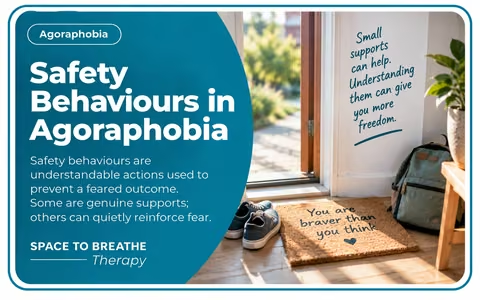
Safety Behaviours in Agoraphobia
Safety behaviours are understandable actions used to prevent a feared outcome. Some are genuine supports; others can quietly reinforce fear.
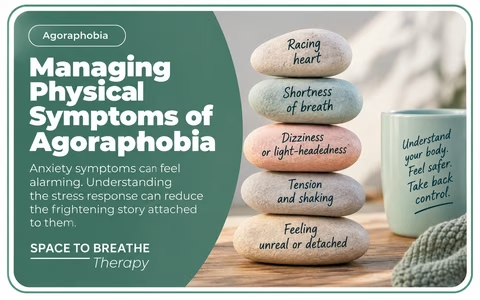
Managing Physical Symptoms of Agoraphobia
Anxiety symptoms can feel alarming. Understanding the stress response can reduce the frightening story attached to them.
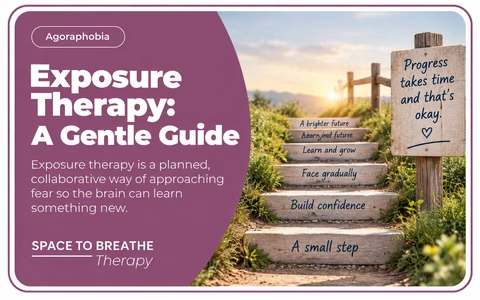
Exposure Therapy: A Gentle Guide
Exposure therapy is a planned, collaborative way of approaching fear so the brain can learn something new.
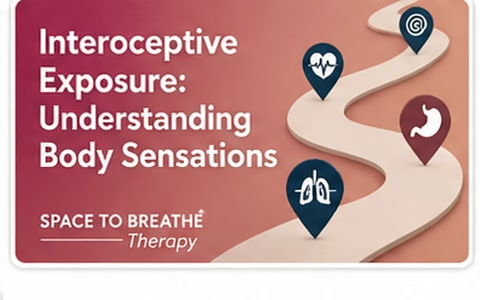
Interoceptive Exposure: Understanding Body Sensations
Interoceptive exposure is structured practice with harmless body sensations that have become linked with panic or fear.

Exposure Practice for Agoraphobia
A simple planning sheet for a chosen agoraphobia practice, with attention to consent, pacing and learning.
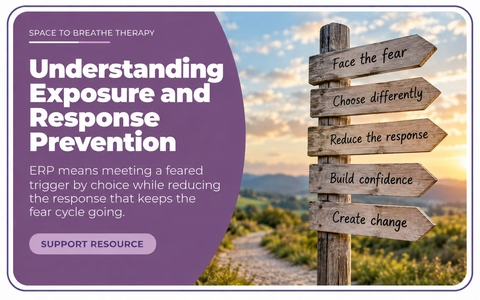
Understanding Exposure and Response Prevention
ERP means meeting a feared trigger by choice while reducing the response that keeps the fear cycle going.
My Graded Exposure Hierarchy
A fear hierarchy turns one overwhelming goal into a series of chosen, repeatable steps.
Breaking the Agoraphobia Cycle
The cycle is maintained by understandable attempts to feel safe. Mapping it can reveal where a gentle change is possible.
Recognising Agoraphobia
Agoraphobia is not simply a fear of open spaces. It can involve fear of situations where escape, help or a sense of safety may feel difficult.
ABCDE Thought Diary for Specific Phobias
A structured way to slow down a frightening moment and look at it with curiosity rather than criticism.
Helping Someone Who Is Struggling
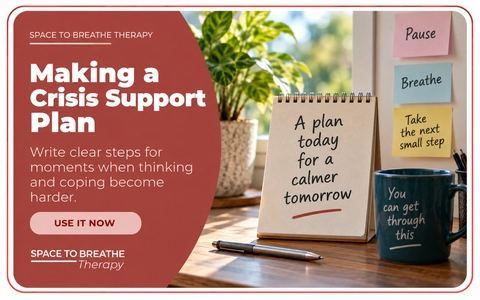
Making a Crisis Support Plan

Preparing for a Mental Health Appointment
EMOTIONAL REGULATION WORKBOOK
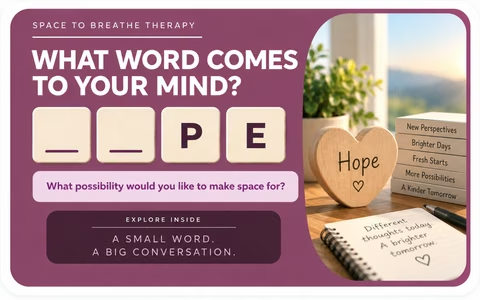
Word reflection: Hope
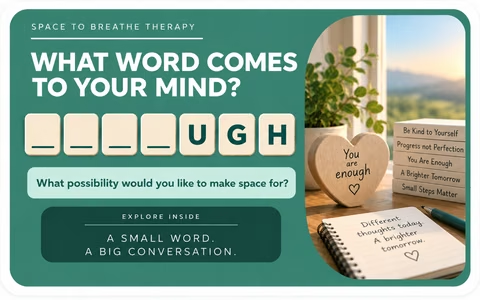
Word reflection: Enough
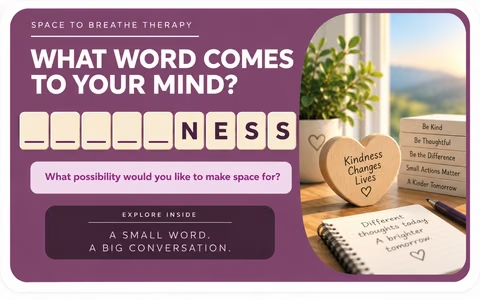
Word reflection: Kindness
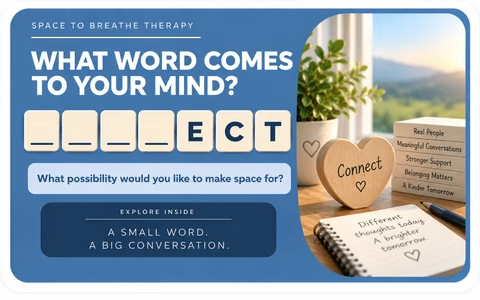
Word reflection: Connect
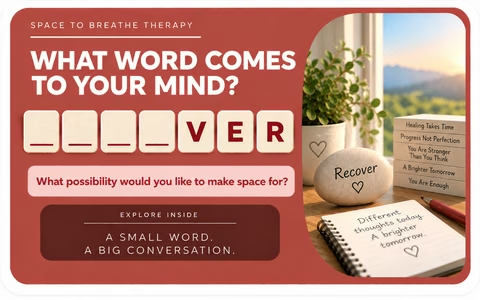
Word reflection: Recover
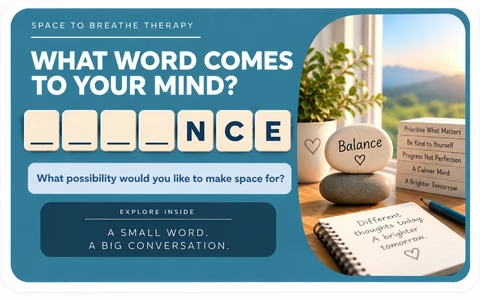
Word reflection: Balance
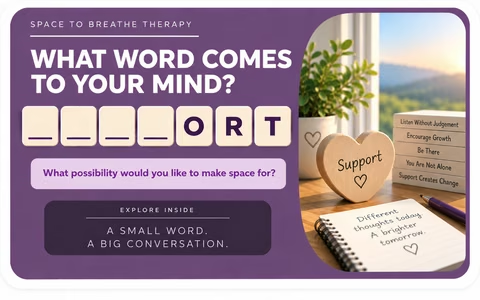
Word reflection: Support
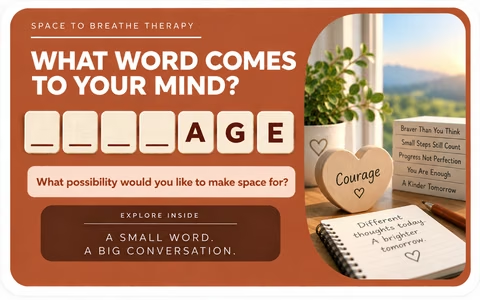
Word reflection: Courage
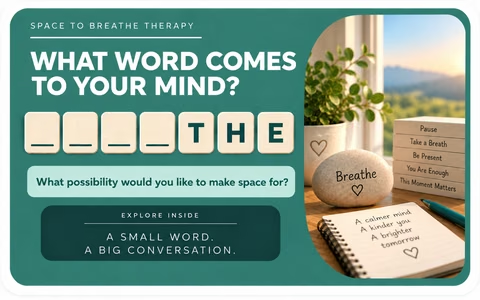
Word reflection: Breathe
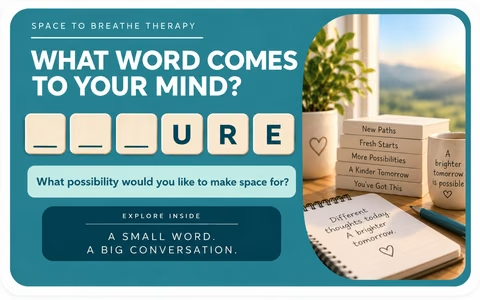
Word reflection: Future
Needle Phobia: Coaching Strategies and Encouragement
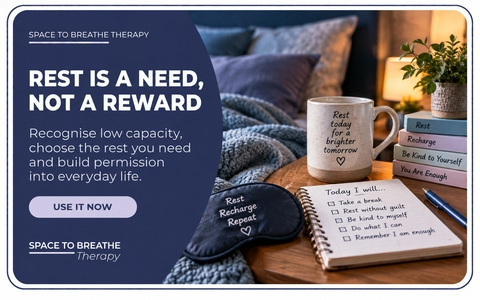
Rest Is a Need, Not a Reward
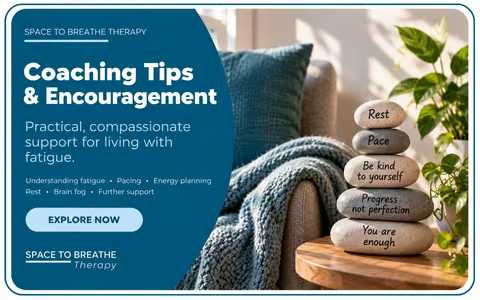
Coaching Tips & Encouragement: Living with Fatigue
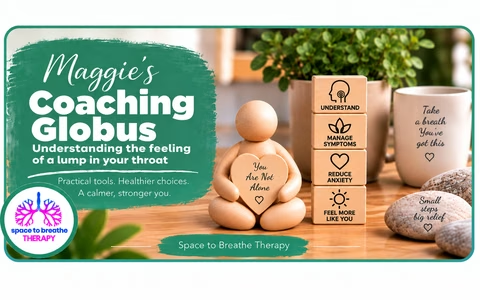
Globus
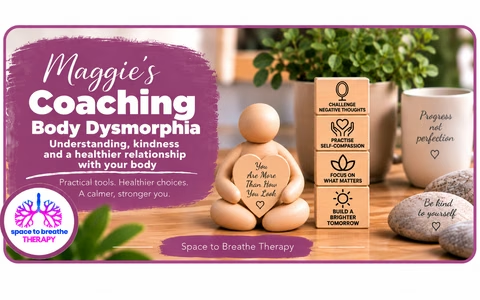
BODY DYSMORPHIA
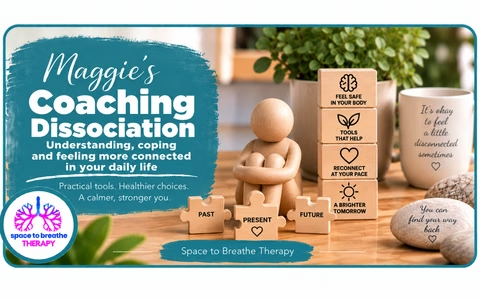
DISSOCIATION – UNDERSTANDING, COPING AND RECONNECTING
Intrusive thoughts
Grounding during a panic attack
Emotional dysregulation
UNDERSTANDING DISSOCIATION - A GUIDE FOR FAMILY & LOVED ONES
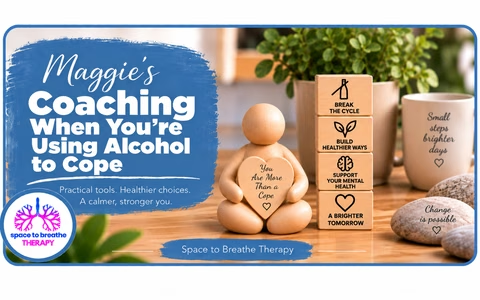
When You’re Using Alcohol to Cope
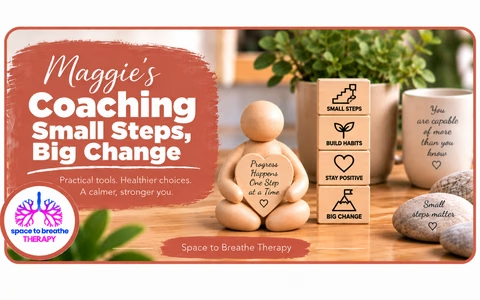
Small Steps, Big Change
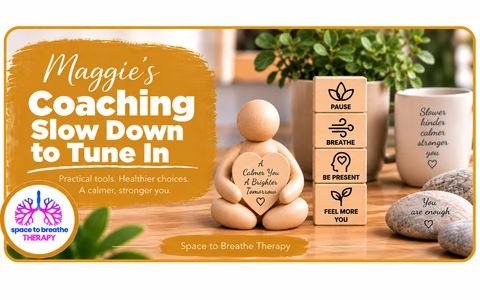
Slow Down to Tune In
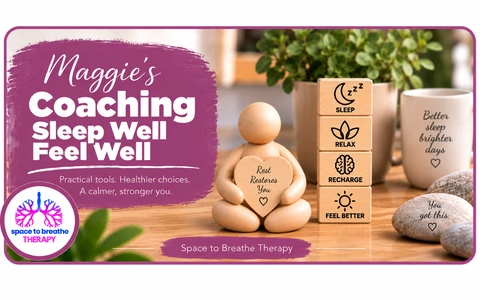
Sleep Well, Feel Well
Sleep Better, Cope Better
Reset, Don’t Regret
Practical Support for Your Mental Health
Pause and Check In
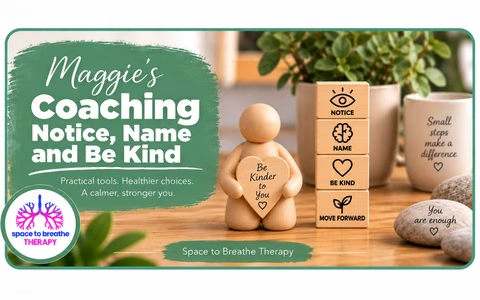
Notice, Name and Be Kind
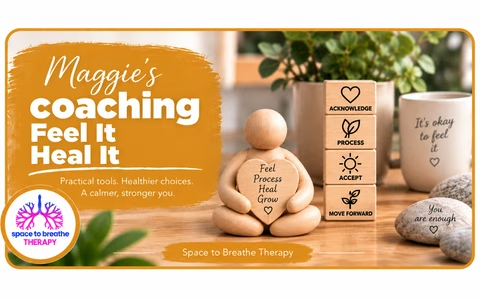
Feel It to Heal It
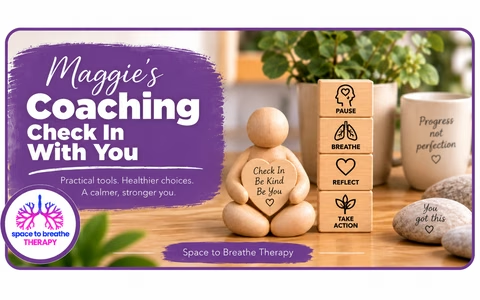
Check In With You
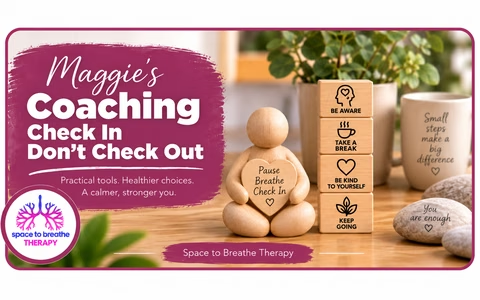
Check In, Don’t Check Out
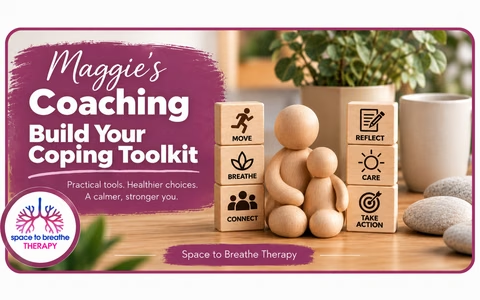
Build Your Coping Toolkit
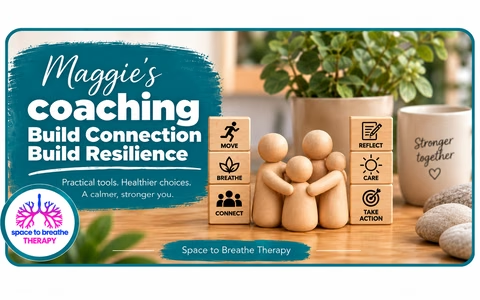
Build Connection, Build Resilience
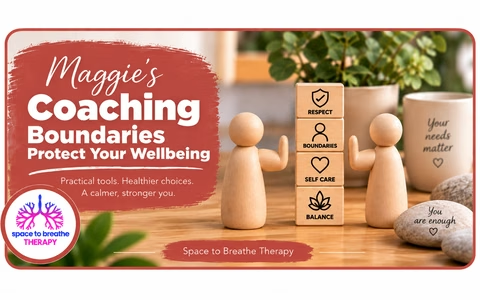
Boundaries Protect