




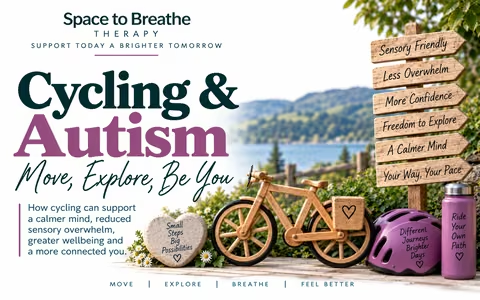
CYCLING & AUTISM — MOVE, EXPLORE, BE YOU
Cycling can offer rhythm, movement, independence, solitude or connection, but an autistic person's experience can be shaped by sensory processing, predictability, communication, interoception, motor differences, anxiety and fatigue.
This full guide explores cycling specifically through an autistic lens. It looks at sensory-friendly cycling, wind and noise, visual overload, clothing and equipment, familiar routes, interoception, coordination, communication, shutdown, meltdown, uncertainty and building confidence without pressure.
There is detailed guidance on routine, special interests, autistic burnout, masking, food and hydration, recovery after a ride and adapting cycling to current capacity.
Accessibility is central. The guide includes indoor bikes, tricycles, recumbent cycles, handcycles, e-assist and chair/seated pedalling, reinforcing that adapted cycling is still cycling.
A practical autism-friendly cycling planner helps readers identify sensory needs, communication preferences, overload signs, backup plans and recovery needs. The guide also includes safety information and evidence sources.
It finishes with an individual message from Maggie about changing the ride rather than asking an autistic person to tolerate more — and recognising that cycling does not have to look like anybody else's version to belong to you.
Space to Breathe Therapy