What is Substance Misuse - Substance misuse refers to using alcohol, drugs, or other substances in ways that may negatively affect a person’s health, relationships, or daily life. It can involve using substances more often than intended, relying on them to cope with emotions, or finding it difficult to reduce or stop using them.
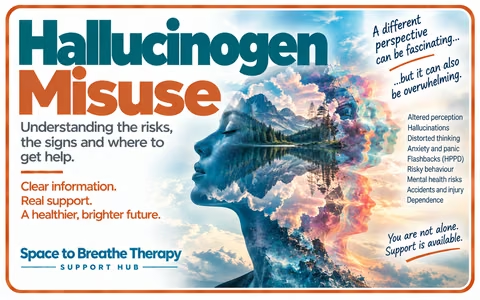
HALLUCINOGEN MISUSE
Where to Get Help: UK Support Directory
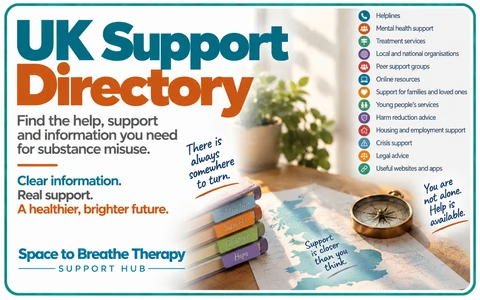
Where to Get Help: UK Support Directory
What Is Substance Misuse?
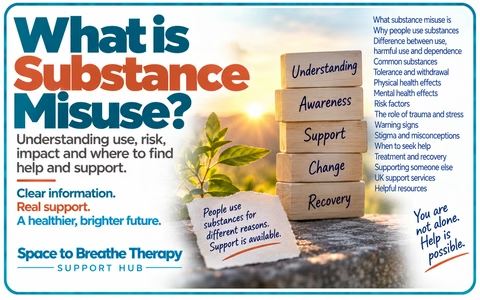
What Is Substance Misuse?
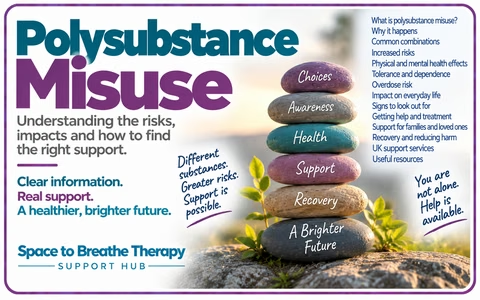
Polysubstance Misuse
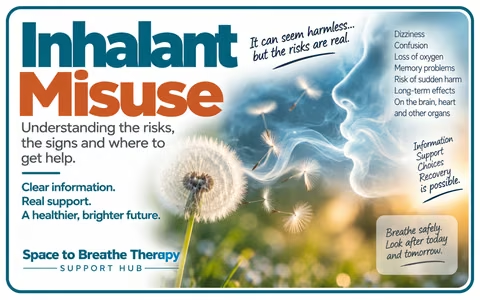
Inhalant Misuse
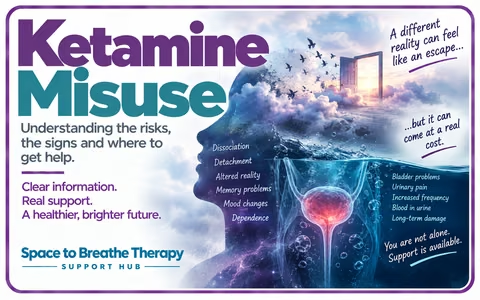
Ketamine Misuse
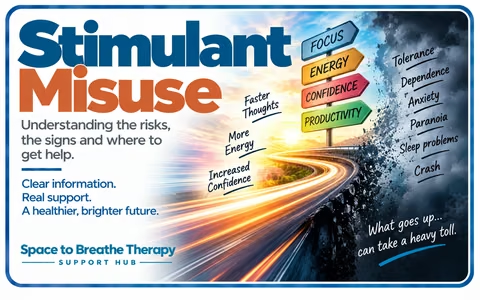
Stimulant Misuse
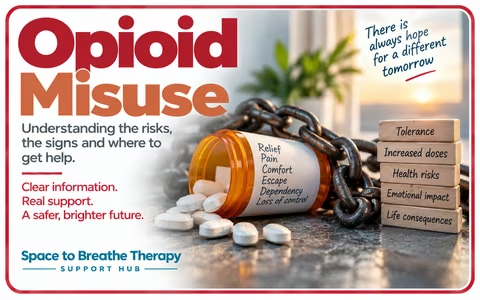
Opioid Misuse
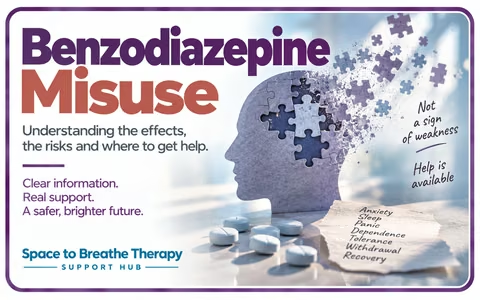
Benzodiazepine Misuse
The Difference Between Misuse & Addiction - Substance misuse and addiction are often used interchangeably, but they can describe different stages or patterns of substance use. Misuse may involve unhealthy or risky patterns of use, while addiction typically refers to a stronger dependence where a person feels unable to stop despite negative consequences.
The Difference Between Misuse & Addiction
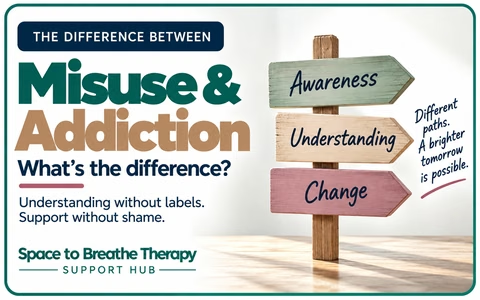
The Difference Between Misuse & Addiction
Sex & Relationship Addiction
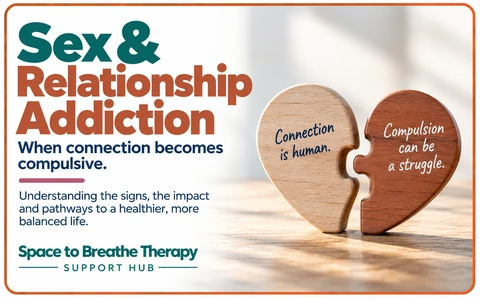
Sex & Relationship Addiction
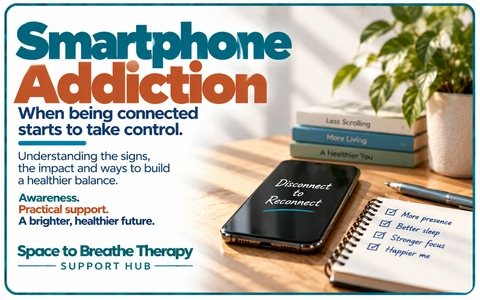
Smartphone Addiction
Food Addiction & Compulsive Eating
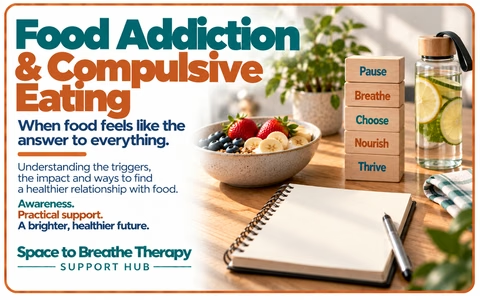
Food Addiction & Compulsive Eating
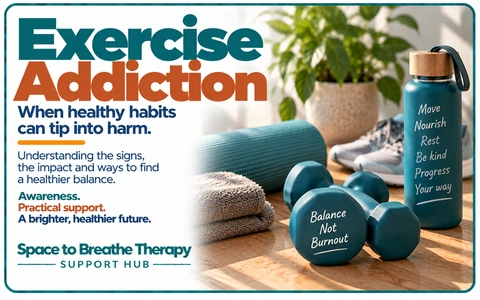
Exercise Addiction
Work Addiction
Pornography Addiction
Shopping Addiction
Social Media Addiction
Why People Turn to Substances - People may turn to substances for many reasons, including stress, emotional pain, trauma, loneliness, social pressures, or mental health difficulties. Understanding these underlying reasons can help create more compassionate and effective ways of supporting individuals who may be struggling.
Because Coping Became Dependence
Because Coping Became Dependence
To Fill Boredom, Emptiness or Lack of Purpose
To Fill Boredom, Emptiness or Lack of Purpose
To Cope With Physical Pain
To Cope With Physical Pain
To Belong, Fit In or Avoid Feeling Different
To Belong, Fit In or Avoid Feeling Different
To Manage Neurodivergent Overload
To Manage Neurodivergent Overload
To Sleep or Quiet a Busy Mind
To Sleep or Quiet a Busy Mind
To Feel More Confident or Social
To Feel More Confident or Social
To Escape Trauma Memories
To Escape Trauma Memories
To Cope With Stress & Overwhelm
To Cope With Stress & Overwhelm
Self Medication & Emotional Pain - Some people use substances as a way of coping with difficult emotions such as anxiety, depression, grief, or trauma. This is sometimes known as self-medication. While substances may temporarily reduce emotional discomfort, they can also make underlying problems more difficult to manage over time.
Self-Medication & Emotional Pain
Self-Medication & Emotional Pain
How Stress & Trauma Influence Use - Experiences of stress or trauma can have a powerful impact on emotional wellbeing. For some people, substances become a way of managing overwhelming memories, feelings, or physical stress responses. Understanding the connection between trauma, stress, and substance use can help guide more supportive approaches to recovery.
Family Stress & Trauma Support Directory
Family Stress & Trauma Support Directory
Trauma-Informed Recovery
Adult Children Affected by a Parent’s Addiction
Adult Children Affected by a Parent’s Addiction
Partners Living With Addiction & Trauma
Partners Living With Addiction & Trauma
Parents Supporting an Adult Child
Parents Supporting an Adult Child
Helping a Loved One With Trauma & Addiction
Helping a Loved One With Trauma & Addiction
Family Stress When Someone Is Using
Family Stress When Someone Is Using
Triggers, Cravings & the Trauma Response
Triggers, Cravings & the Trauma Response
How Stress & Trauma Influence Use
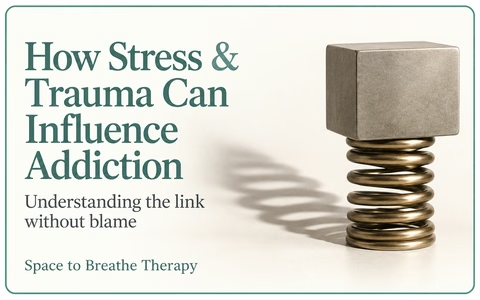
How Stress & Trauma Influence Use
Early Warning Signs - There are often early signs that substance use may be becoming problematic. These may include increased reliance on substances to cope with stress, changes in behaviour or mood, difficulty reducing use, or substances beginning to interfere with relationships, work, or daily life. Recognising these signs early can help people seek support sooner.
WITHDRAWAL - WHAT'S BELOW THE ICEBERG?
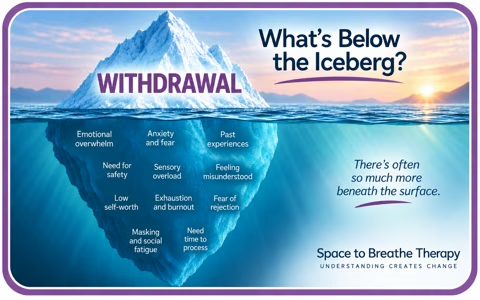
WITHDRAWAL - WHAT'S BELOW THE ICEBERG?
Early Warning Signs
A Relapse Prevention Plan
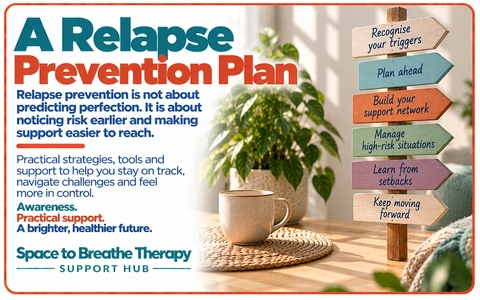
A Relapse Prevention Plan
It is about noticing risk earlier and making support easier to reach.
Understanding the Stages of Addiction
Understanding the Stages of Addiction
Addiction rarely appears all at once.
Coaching - This page provides coaching support for those looking to understand or change their relationship with substances. It looks at motivation, triggers, and practical steps towards healthier habits and long-term recovery.
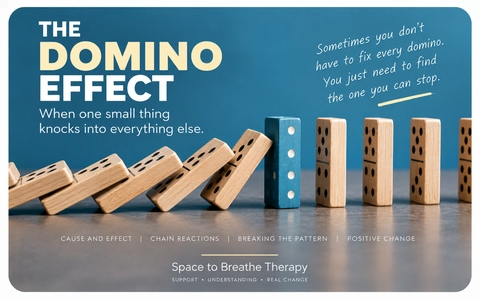
THE DOMINO EFFECT
DID YOU KNOW? — NICOTINE, VAPING & DEPENDENCE
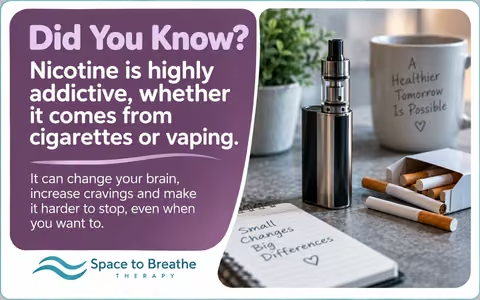
DID YOU KNOW? — NICOTINE, VAPING & DEPENDENCE
DID YOU KNOW? - COCAINE: REWARD, CRASH & RISK
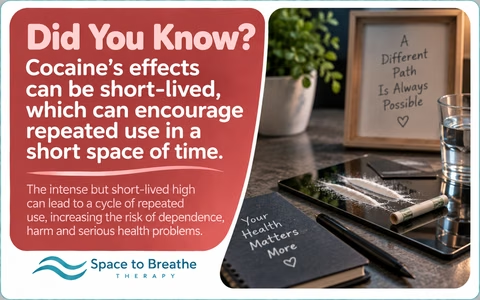
DID YOU KNOW? - COCAINE: REWARD, CRASH & RISK
DID YOU KNOW? — CANNABIS: EFFECTS, DEPENDENCE & SAFETY
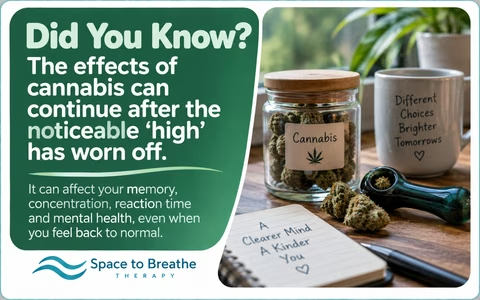
DID YOU KNOW? — CANNABIS: EFFECTS, DEPENDENCE & SAFETY
DID YOU KNOW? — ONE PINT CAN TAKE HOURS TO LEAVE YOUR BODY
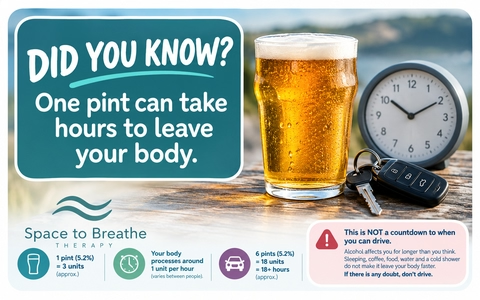
DID YOU KNOW? — ONE PINT CAN TAKE HOURS TO LEAVE YOUR BODY
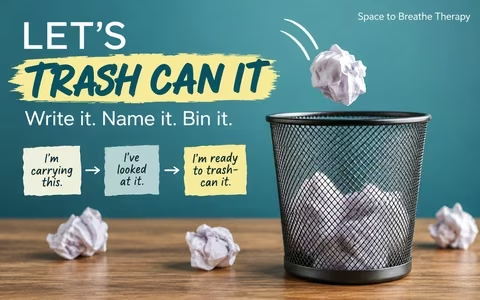
LET'S TRASH CAN IT
THE THOUGHT WALL
THE UNSAID WALL
THE FEELING WALL
Downloads - This section provides practical downloadable resources designed to support awareness, reflection, and healthier coping strategies. These may include self-reflection worksheets, early warning sign checklists, coping strategy guides, recovery planning tools, and supportive exercises that help individuals explore their relationship with substances.
These resources aim to support individuals in recognising patterns, understanding emotional triggers, and finding healthier ways to manage stress and difficult experiences.
MAINTAINING MY PROGRESS
STOPP REFLECTIVE WORKSHEET
STOPP REFLECTIVE WORKSHEET
POCKET SAFETY PLAN CARDS
BALANCED THOUGHT RECORD
A Lapse Doesn't Mean Failure
A Lapse Doesn't Mean Failure
My Support Network
My Safer Choices Plan
Halt-Check in
Understanding My Cravings
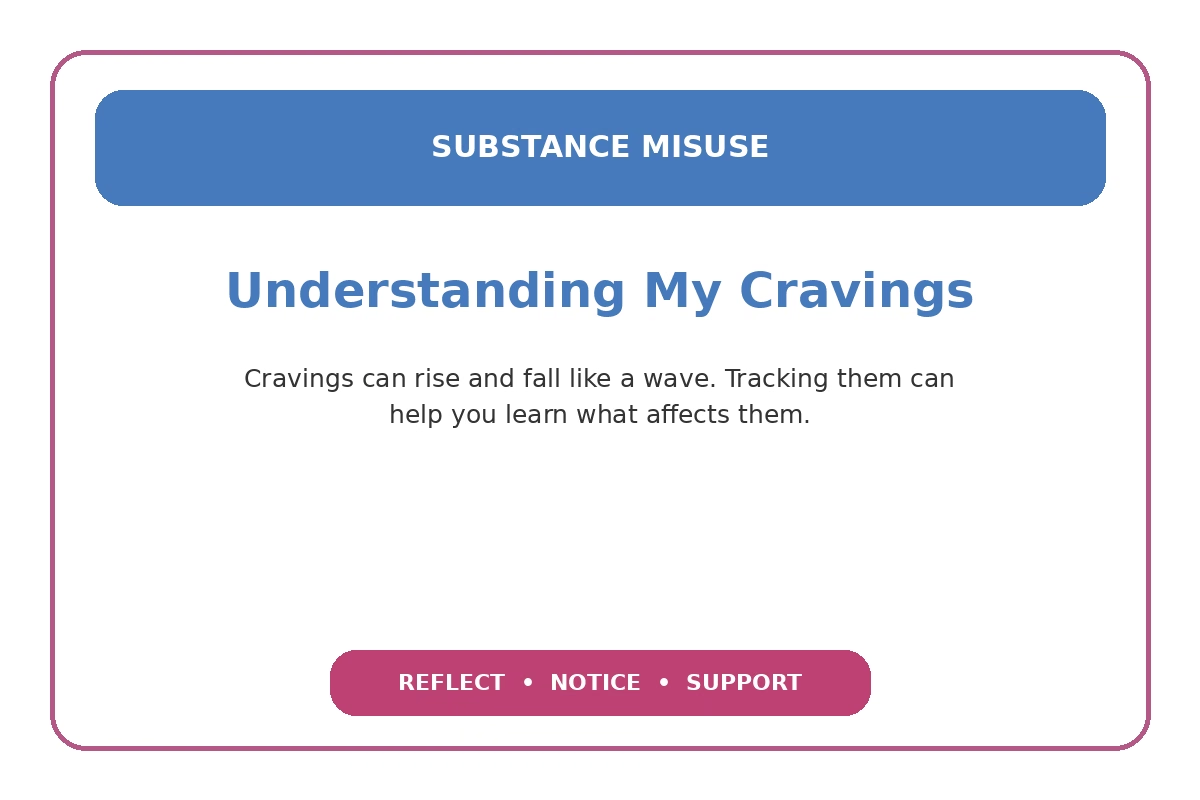
Understanding My Cravings
What is Addiction – Addiction is a condition where a person becomes physically or psychologically dependent on a substance, often losing control over how much or how often they use it. It can develop gradually through repeated use, and is shaped by a mix of biological, environmental, and emotional factors.
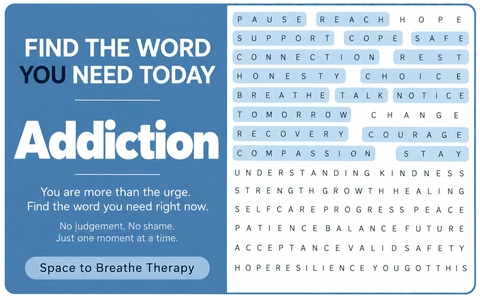
Find the Word You Need Today - Addiction
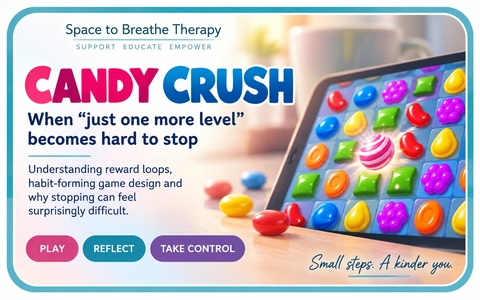
CANDY CRUSH — WHEN “JUST ONE MORE LEVEL” BECOMES HARD TO STOP
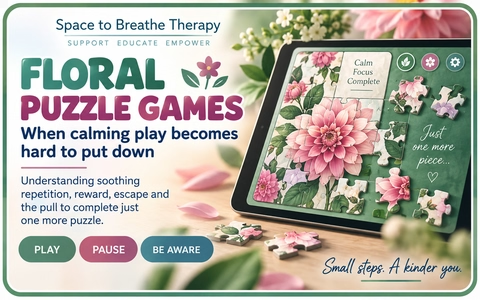
FLORAL PUZZLE GAMES — WHEN CALMING PLAY BECOMES HARD TO PUT DOWN
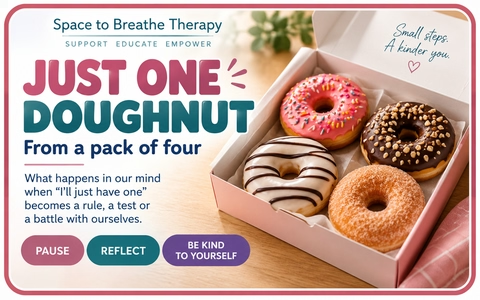
JUST ONE DOUGHNUT — FROM A PACK OF FOUR
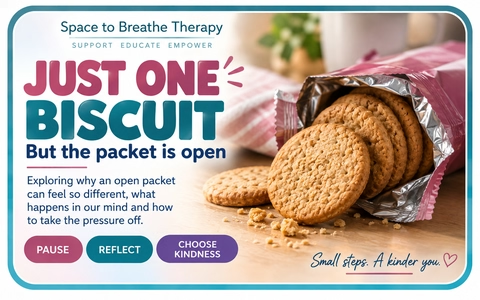
JUST ONE BISCUIT — BUT THE PACKET IS OPEN
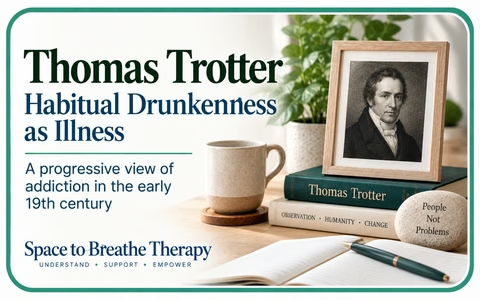
THOMAS TROTTER - HABITUAL DRUNKENNESS AS ILLNESS
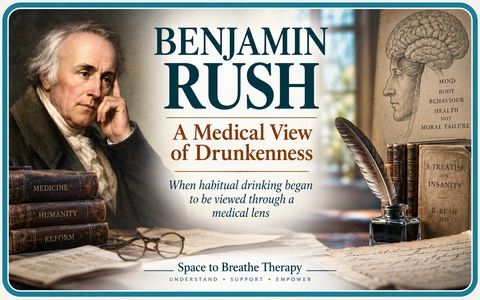
BENJAMIN RUSH — A MEDICAL VIEW OF DRUNKENNESS
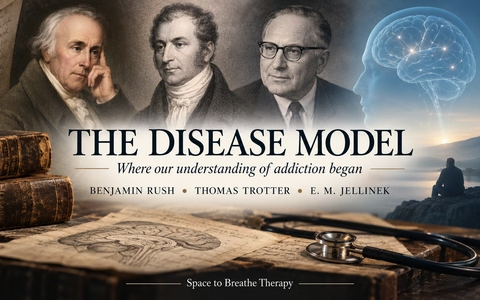
THE DISEASE MODEL - WHERE OUR UNDERSTANDING OF ADDICTION BEGAN
Why People Turn to Addiction - People often turn to substances as a way of coping with difficult emotions, stress, trauma, or circumstances that feel overwhelming to face directly. Underlying factors such as mental health struggles, social pressures, and past experiences can all play a part in why someone starts using and continues to do so.