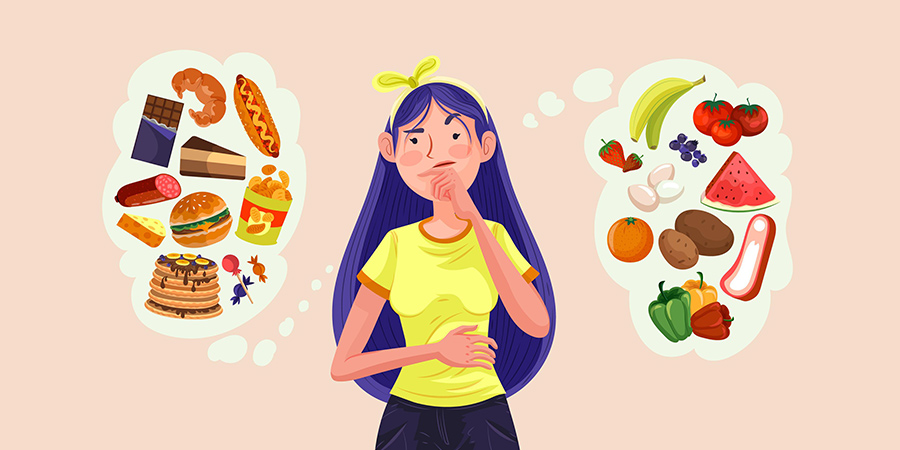
Understanding Eating Disorders - This page explores what eating disorders are, the different forms they may take, and how they can affect both physical and emotional wellbeing.
Understanding Eating Disorders
Eating Disorders Library
Explore our collection of books at your own pace, choosing resources that encourage understanding, reflection and personal wellbeing. Each offers information, guidance and opportunities for learning. Our library complements professional care and does not provide diagnoses, prescribe treatment or replace clinical advice.
Understanding Eating Disorders

I Wish Someone Had Told Me This About Eating Disorders
A compassionate, interactive book exploring what people often wish they had known about eating disorders. Discover insights into shame, sensory difficulties, emotions and recovery, with gentle opportunities for reflection, understanding and self-compassion. Encourages personal exploration without pressure, judgement or expectations
Understanding Eating Disorders

It's more than picky eating, ARFID
An interactive guide exploring why ARFID is much more than picky eating. Understand sensory sensitivities, safe foods, food-related fears, emotional wellbeing and everyday challenges. Includes practical activities and gentle reflections to encourage greater awareness, compassion and understanding without pressure or judgement.
Understanding Eating Disorders

Looking Beyond the Dinner Table to Understand What's Really Going On, Arfid
A compassionate exploration of ARFID through lived experience, looking beyond food refusal to understand sensory distress, food-related fears and hunger signals. Discover the emotional challenges of eating difficulties, highlighting the importance of feeling heard, understood and supported with patience, empathy and compassion.
Understanding Eating Disorders

Why Hunger Doesn't Always Override ARFID
An interactive guide exploring why hunger does not always overcome ARFID. Understand sensory distress, food-related anxiety, appetite differences and hunger signals. Discover how eating difficulties affect the body and mind, with compassionate explanations, practical activities and gentle reflections without pressure or judgement.
Understanding Eating Disorders

Arfid,but They Ate It Before
An interactive guide exploring Unspecified Feeding or Eating Disorder (UFED), including symptoms, emotional and physical effects, and everyday challenges. Understand diagnosis, treatment options and recovery through compassionate explanations, practical activities and gentle reflections, encouraging awareness, understanding and support without judgement or stigma.
Understanding Eating Disorders
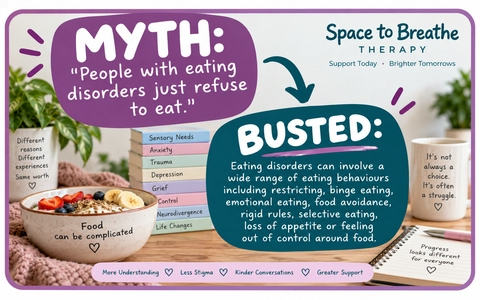
Bust a Myth Around Food: “People With Eating Disorders Just Refuse to Eat”
An interactive myth-busting activity challenging common misconceptions about eating disorders. Explore educational facts, question harmful stereotypes and discover how eating disorders affect people differently. Encourages greater awareness, compassion and understanding through engaging activities, gentle reflections and opportunities to challenge assumptions without judgement.
Understanding Eating Disorders
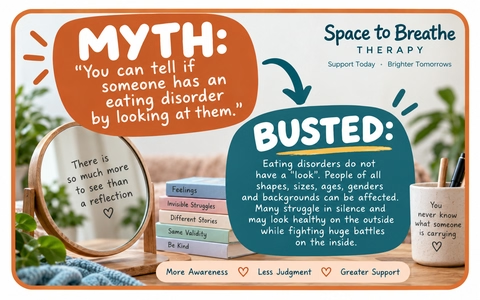
Bust a Myth Around Food: “You Can Tell If Someone Has an Eating Disorder by Looking at Them”
An interactive myth-busting guide exploring why eating disorders cannot be identified by appearance alone. Discover educational facts, challenge common misconceptions and understand how eating disorders affect people of all body shapes and sizes. Encourages awareness, compassion and understanding without assumptions or judgement
Understanding Eating Disorders
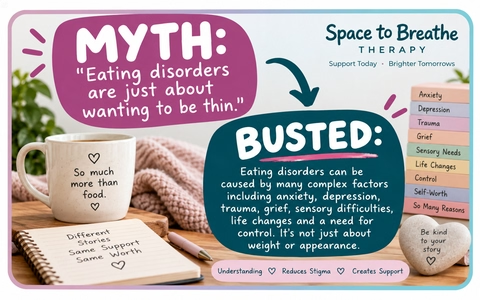
Bust a Myth Around Food: “Eating Disorders Are Just About Wanting to Be Thin”
An interactive myth-busting activity challenging misconceptions about eating disorders and body image. Explore 15 revealing fact cards, test your understanding through a knowledge challenge and reflect on what you discover. Encourages greater awareness, compassion and understanding of diverse eating disorder experiences.
Understanding Eating Disorders
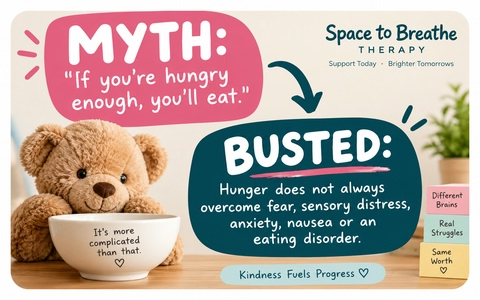
Bust a Myth Around Food: “If You’re Hungry Enough, You’ll Eat”
An interactive myth-busting guide exploring why hunger cannot always overcome food-related fears, sensory difficulties or ARFID. Discover what makes eating challenging through practical activities, gentle reflections and compassionate explanations, encouraging greater understanding, patience and supportive approaches without pressure or judgement.
Understanding Eating Disorders
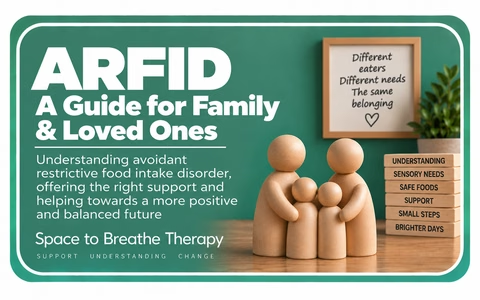
ARFID - A GUIDE FOR FAMILY & LOVED ONES
An interactive guide exploring how eating disorders affect heart health, including malnutrition, heart rhythm changes, electrolyte imbalances and purging. Understand medical warning signs, treatment and recovery through practical activities, compassionate explanations and personal reflections, encouraging awareness and appropriate professional support.
Understanding Eating Disorders
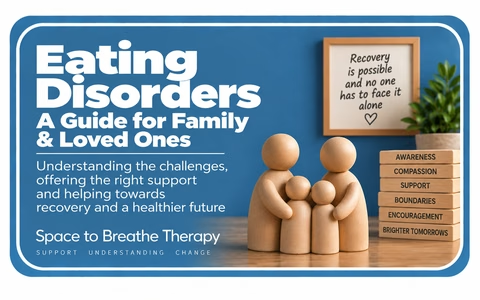
Eating Disorders – A Guide for Family & Loved Ones
A compassionate, interactive guide for families, partners, friends and carers supporting someone with an eating disorder. Explore communication, mealtime challenges, treatment, recovery and carers' wellbeing. Includes practical scenarios, personal reflections and supportive strategies to build understanding, confidence and compassionate care.
Understanding Eating Disorders
Bulimia Nervosa: Warning Signs, What to Look Out For & How to Support
An interactive guide exploring the emotional, behavioural and physical warning signs of bulimia nervosa. Understand potential health risks, recognise changes in eating behaviours and emotional wellbeing, and discover compassionate ways to support someone struggling, including guidance on seeking appropriate professional help.
Understanding Eating Disorders
Anorexia Nervosa: Warning Signs, What to Look Out For & How to Support
An interactive guide to recognising the emotional, behavioural and physical warning signs of anorexia nervosa. Explore real-life scenarios, understand changes in eating habits and wellbeing, and discover compassionate ways to support someone struggling, with practical advice and guidance on seeking professional help.
Understanding Eating Disorders
Eating Disorders Can Affect Any Body
An interactive guide challenging stereotypes about eating disorders and body size. Explore 16 informative chapters, myth-busting activities, practical scenarios and a knowledge check. Includes personal reflections to encourage greater awareness, challenge assumptions and promote compassion, understanding and support without judgement or stigma.
Understanding Eating Disorders
Why Eating Disorders Thrive in Secrecy
An interactive guide exploring why eating disorders can remain hidden behind shame, fear and stigma. Discover compassionate support strategies, practical scenarios, a knowledge check and gentle personal reflections to encourage greater understanding, reduce judgement and help people feel heard, supported and understood.
Understanding Eating Disorders

When “Healthy Eating” Becomes Rigid
An interactive guide exploring when healthy eating becomes restrictive, stressful or overwhelming. Understand rigid food rules, anxiety and emotional pressures through gentle reflections and practical activities. Discover compassionate strategies to reduce pressure, build confidence and develop a more flexible relationship with food.
Understanding Eating Disorders

Eating Disorders and Heart Health
An interactive guide exploring how eating disorders can affect heart health, including rhythm changes, malnutrition, electrolyte imbalances and purging. Learn to recognise cardiovascular warning signs through accessible explanations, practical activities and gentle reflections, encouraging awareness, understanding and appropriate medical support
Understanding Eating Disorders
T1DE / Diabulimia
An interactive guide exploring Type 1 diabetes and disordered eating (T1DE/diabulimia), including physical risks, diabetes distress and body image challenges. Discover specialist treatment options, compassionate recovery support, practical activities and gentle reflections to encourage understanding, awareness and access to appropriate professional care.
Understanding Eating Disorders

Purging Disorder
An interactive guide exploring purging disorder, its emotional and physical health risks, and how it differs from bulimia nervosa. Includes myth-busting activities, real-life scenarios and personal reflections, offering compassionate insights into treatment, recovery and finding appropriate professional support without judgement.
Understanding Eating Disorders
Orthorexia
An interactive guide exploring orthorexia, rigid food rules, ingredient-related anxiety and perfectionism. Discover how restrictive eating patterns affect emotional wellbeing, challenge common misconceptions through myth-busting activities and explore practical situations, gentle reflections and compassionate strategies for developing a more flexible relationship with food.
Understanding Eating Disorders

Night Eating Syndrome
An interactive guide exploring Night Eating Syndrome, including night-time eating, disrupted sleep, hunger patterns and emotional wellbeing. Understand the relationship between eating, sleep and emotions, recognise everyday challenges and discover compassionate strategies, practical activities and gentle reflections to support recovery without judgement.
Understanding Eating Disorders

Eating Disorders and Neurodivergence
An interactive guide exploring the connection between eating disorders and neurodivergence. Beginning with Maggie Learoyd’s personal experiences of autism, ADHD and an eating disorder, it offers compassionate insights into sensory challenges, emotional wellbeing and the importance of understanding individual needs without judgement.
Understanding Eating Disorders
Disordered Eating and Emotional Eating
An interactive guide exploring the connection between food and emotions, including disordered eating, stress, guilt and self-compassion. Discover practical scenarios, a knowledge check and gentle personal reflections to build awareness, challenge unhelpful patterns and develop a more compassionate relationship with food.
Understanding Eating Disorders

Compulsive Exercise in Eating Disorders
A compassionate guide exploring rumination-regurgitation disorder, including possible causes, emotional challenges, physical health risks and treatment options. Includes reflection diaries, a gentle after-eating support plan and practical recovery strategies to encourage understanding, confidence, self-awareness and access to appropriate professional support.
Understanding Eating Disorders
Atypical Anorexia Nervosa
A compassionate, interactive guide to atypical anorexia nervosa, exploring hidden medical risks, warning signs and body image distress. Understand how eating disorders can affect people at any weight, with supportive information about treatment, recovery and opportunities for gentle reflection without judgement.
Understanding Eating Disorders
Unspecified Feeding or Eating Disorder (UFED)
An interactive guide exploring Unspecified Feeding or Eating Disorder (UFED), including symptoms, emotional and physical effects, and everyday challenges. Understand diagnosis, treatment options and recovery through compassionate explanations, practical activities and gentle reflections, encouraging awareness, understanding and support without judgement or stigma.
Understanding Eating Disorders

Rumination-Regurgitation Disorder
A compassionate guide exploring rumination-regurgitation disorder, including possible causes, emotional challenges, physical health risks and treatment options. Includes practical reflection diaries, a gentle after-eating support plan and supportive recovery strategies to build understanding, confidence and awareness of individual needs and wellbeing.
Understanding Eating Disorders
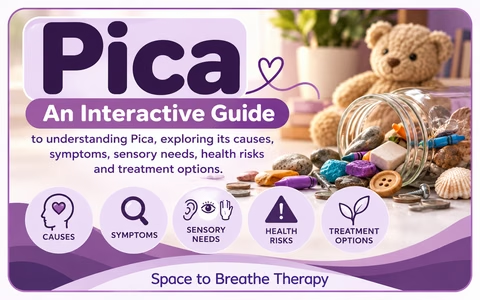
Pica
An interactive guide exploring Pica, including its possible causes, symptoms, sensory needs and health risks. Understand the challenges of eating non-food substances, recognise warning signs and discover treatment options. Includes compassionate information, practical activities and reflections to encourage awareness and appropriate support.
Understanding Eating Disorders
Other Specified Feeding or Eating Disorder (OSFED)
An interactive guide exploring OSFED and its different eating disorder presentations. Understand warning signs, physical and emotional effects, diagnosis and treatment options. Includes compassionate explanations, practical activities and gentle reflections to encourage awareness, reduce stigma and support recovery without judgement.
Understanding Eating Disorders
Bulimia Nervosa
An interactive guide exploring bulimia nervosa, including possible causes, symptoms and emotional and physical effects. Understand the challenges of living with an eating disorder, discover treatment options and compassionate recovery strategies, with practical activities and gentle reflections to encourage understanding and support.
Understanding Eating Disorders
Binge Eating Disorder
An interactive guide exploring binge eating disorder, including emotional and behavioural warning signs, eating patterns and everyday challenges. Discover compassionate explanations, treatment options, practical activities and gentle reflections to encourage understanding, reduce shame and support a healthier relationship with food and recovery.
Understanding Eating Disorders
Avoidant/Restrictive Food Intake Disorder (ARFID)
An interactive guide exploring ARFID, including sensory sensitivities, food avoidance, anxiety and connections with autism and ADHD. Understand nutritional challenges, emotional wellbeing and everyday difficulties, with compassionate explanations, practical activities and supportive guidance on treatment, recovery and building confidence around food.
Understanding Eating Disorders
Anorexia Nervosa
An interactive guide exploring anorexia nervosa, including possible causes, symptoms and physical and emotional effects. Understand the challenges of living with an eating disorder, discover treatment options and recovery strategies, with compassionate explanations, practical activities and gentle reflections to encourage understanding and support.
Understanding Eating Disorders
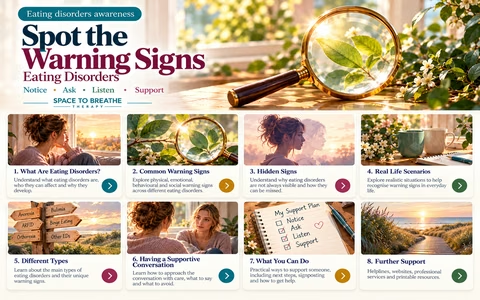
Spot the Warning Signs
Eating disorders are not always visible. Explore the physical, emotional and behavioural warning signs through beautiful illustrations, interactive activities and real-life scenarios. Learn to recognise concerns, start compassionate conversations and support someone in accessing appropriate help with understanding, care and sensitivity.
Understanding Eating Disorders
Understanding Eating Disorders: Compassionate Information, Signs and Support
A compassionate, interactive guide exploring different eating disorders, their emotional and physical effects, and common warning signs. Discover practical activities, gentle reflections and supportive strategies to encourage understanding, reduce stigma and help individuals and families navigate treatment and recovery with confidence and compassion.
Types of Eating Disorders - This section explores the different types of eating disorders, including anorexia, bulimia, binge eating disorder, ARFID and OSFED. It explains how each can affect thoughts, feelings and behaviours around food, and why eating disorders are serious mental health conditions that can affect anyone, whatever their age, gender, background or body size.
ARFID - This section explores Avoidant/Restrictive Food Intake Disorder (ARFID), an eating disorder where food is avoided or restricted for reasons not linked to body image or weight. It covers common causes such as sensory sensitivities, fear of choking or being sick, and low interest in eating, along with its links to neurodiversity and the support available.
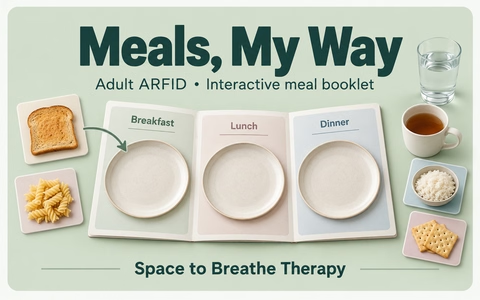
Meals, My Way Adult ARFID • Interactive meal booklet
A gentle, interactive meal planner for breakfast, lunch and dinner. Choose familiar foods, explore new options and create meals that suit you. Adjust your choices, change your mind or leave your plate empty while planning, without pressure, expectations or judgement, at your own pace.
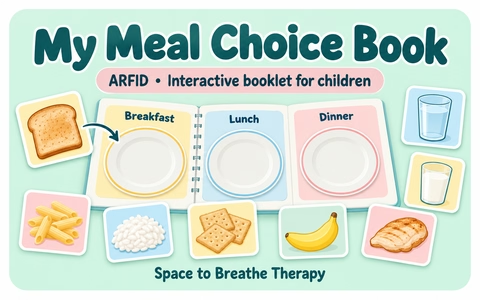
My Meal Choice Book ARFID • Interactive booklet for children
A gentle, interactive meal planner for breakfast, lunch and dinner. Choose familiar foods, explore new options and create meals that suit you. Adjust your choices, change your mind or leave your plate empty while planning, without pressure, expectations or judgement, at your own pace.
A Place for Me Interactive ARFID Storybook
An interactive storybook exploring ARFID through understanding, choice and compassion. Follow the story, explore feelings, make optional choices and reflect at your own pace. Includes saved bookmarks and gentle activities, encouraging safe exploration without pressure to touch, taste or try unfamiliar foods.
ARFID Food Coaching for Children Feelings • Comfort Trusted adult support
A gentle, supportive space to explore what helps you feel safe, calm and comfortable. Notice your feelings, discover what makes things easier and find simple ways to share your needs with a trusted adult, at your own pace and without pressure or judgement.

A PARENT’S POCKET GUIDE TO SUPPORTING A CHILD WITH ARFID
A compassionate, practical pocket guide for parents and carers supporting children with ARFID. Explore sensory needs, safe foods, mealtime anxiety, school adjustments and professional support. Offers gentle guidance, practical strategies and reassurance to help families build understanding, confidence and supportive mealtime experiences.

Arfid, what the Parent Sees vs What the Child May Be Experiencing
Discover the hidden experiences behind ARFID and why eating can feel so different for a child. A compassionate resource helping parents understand sensory difficulties, food-related fears and emotional distress, with practical ways to support their child and build a more positive relationship around food.

A Parent's Guide to Supporting a Child with ARFID
A compassionate, practical guide for parents and carers supporting a child with ARFID. Explore sensory difficulties, food-related fears, calmer mealtimes and school support, with helpful strategies to build confidence, understanding and trust without pressure or judgement.
Warning Signs & When to Seek Help - This section explores the early signs that someone may be developing an eating disorder, including changes in behaviour, mood and relationship with food. It covers why getting help early matters, how to start a conversation with a GP or trusted person, and what support is available for yourself or someone you’re worried about.
Food, Emotions & Sensory Experiences - Food can sometimes become connected to emotional experiences such as comfort, control, stress, or coping. This page explores the emotional factors that can influence eating behaviours.
Food, Emotions & Sensory Experiences
Understanding Emetophobia – Interactive Fear Explorer
An interactive guide to understanding the fear of vomiting (emetophobia). Explore anxiety triggers, physical sensations, the fear cycle and safety behaviours through engaging activities, a quiz and personal reflections. Develop greater self-awareness, explore coping strategies and gradually build confidence.
Food, Emotions & Sensory Experiences
How Sensory Differences Can Make Eating Feel Overwhelming,Arfid
An interactive ARFID guide helping parents understand how sensory experiences can make eating overwhelming. Explore sensitivities to sights, smells, tastes, textures and sounds, recognise signs of distress and discover practical mealtime strategies. Create a personalised sensory support plan to help your child feel safer.
Food, Emotions & Sensory Experiences

JUST ONE DOUGHNUT — FROM A PACK OF FOUR
A compassionate, reflective guide exploring food rules, guilt, restriction and the fear of losing control around eating. Through an everyday doughnut scenario, discover how all-or-nothing thinking and scarcity can affect food choices, with practical exercises to encourage greater flexibility, understanding and self-compassion.
Food, Emotions & Sensory Experiences

JUST ONE BISCUIT — BUT THE PACKET IS OPEN
An interactive, compassionate exploration of food rules, scarcity thinking, automatic eating and the anxiety that can arise when a packet of biscuits is open. Includes guided reflections, a gentle food check-in, practical explanations and a downloadable journal, with no judgement about how much someone eats.
Food, Emotions & Sensory Experiences

Eating When Nothing Sounds Good
A gentle, practical fact sheet exploring why choosing food can feel difficult. Discover sensory-based choices, simple decision-making steps and supportive strategies to help find a manageable next step without pressure or judgement.
Food, Emotions & Sensory Experiences

FEELING FULL
A compassionate, interactive guide exploring fear of fullness, physical discomfort, sensory experiences and eating-disorder thoughts, with practical exercises and gentle strategies to manage anxiety without restriction or judgement.
Food, Emotions & Sensory Experiences

EATING IN FRONT OF OTHER PEOPLE
A compassionate, interactive guide exploring social eating anxiety, ARFID, sensory difficulties and the fear of being watched or judged. Includes practical exercises, supportive strategies and a personal social eating plan to help make shared meals feel safer and more manageable, without pressure or judgement.
Food, Emotions & Sensory Experiences

COMPARISON & BODY IMAGE
Explore how comparing yourself with others can affect body image, self-worth and eating-disorder recovery. This interactive guide offers gentle reflections, practical exercises and body-neutral strategies to help reduce comparison and develop a more compassionate relationship with yourself.
Food, Emotions & Sensory Experiences
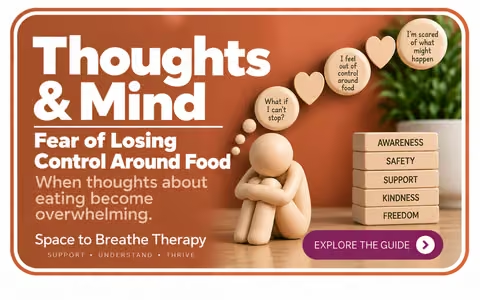
FEAR OF LOSING CONTROL AROUND FOOD
compassionate, interactive guide exploring the fear of losing control around food, restrictive eating and anxiety. Includes practical exercises, a control-cycle map and a personal support plan to help reduce fear, challenge rigid food rules and build greater flexibility without shame or judgement.
Food, Emotions & Sensory Experiences
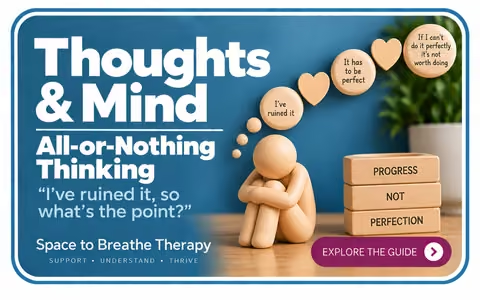
ALL-OR-NOTHING THINKING
A compassionate, interactive guide for people experiencing eating disorders, ARFID, perfectionism or rigid food rules. Explore how all-or-nothing thinking affects eating and recovery, with practical exercises, flexible thinking strategies and a personalised reflection plan to help move beyond guilt, setbacks and self-judgement.
Food, Emotions & Sensory Experiences
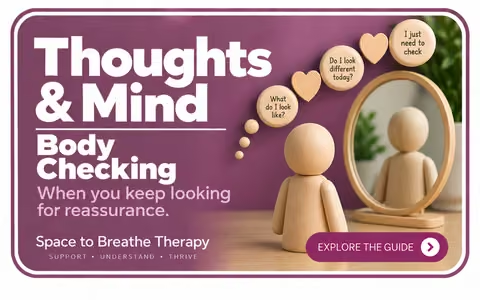
BODY CHECKING
A compassionate, interactive guide exploring body checking, reassurance-seeking and body image anxiety in eating disorders. Includes practical exercises, a checking-cycle map and a personal support plan to reduce repetitive checking and develop a more balanced, body-neutral approach without judgement.
Food, Emotions & Sensory Experiences
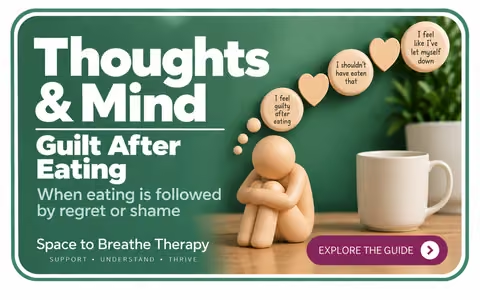
GUILT AFTER EATING
Explore why guilt and shame can arise after eating, how food rules and restriction reinforce distress, and ways to respond with greater compassion. Includes guidance for eating disorders, ARFID, neurodivergence and supporters
Food, Emotions & Sensory Experiences

FOOD RULES & RITUALS
A compassionate, interactive guide exploring food rules, eating rituals, sensory needs and neurodivergence. Includes practical exercises and a personalised support plan to help recognise unhelpful patterns, reduce anxiety and develop greater flexibility around food without judgement or pressure.
Food, Emotions & Sensory Experiences

FEAR AROUND FOOD
Explore why food can trigger fear, anxiety and avoidance, including choking fears, sensory sensitivities and ARFID. This article explains the emotional impact, patterns of avoidance and compassionate ways to support safer eating.
Food, Emotions & Sensory Experiences
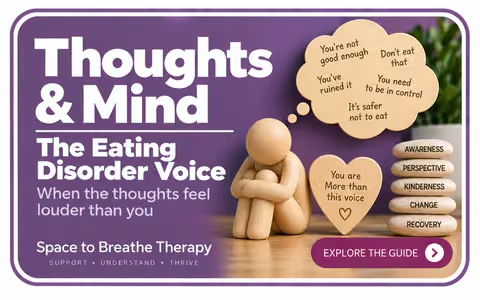
THE EATING DISORDER VOICE
Eating-disorder thoughts can become repetitive, rigid and incredibly convincing. Some people describe this as an “eating disorder voice” rules, fears, threats or criticism that can begin to feel louder than their own preferences and values.
Food, Emotions & Sensory Experiences

When Dieting Becomes Harmful
Explore how dieting can lead to restrictive eating, rigid food rules and emotional distress. This article examines the warning signs, effects on wellbeing, links to eating disorders, and considerations for ARFID and neurodivergence, with compassionate guidance on seeking support.
Food, Emotions & Sensory Experiences

Social Eating When Food Feels Difficult
A compassionate interactive guide to navigating restaurants, family meals and social occasions when food feels difficult. Explore sensory needs, food anxiety, social pressure, communication and practical support through personalised activities and reflections
Food, Emotions & Sensory Experiences
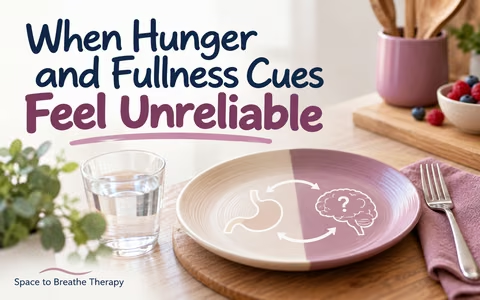
When Hunger and Fullness Cues Feel Unreliable
An interactive, supportive guide for people who find hunger and fullness signals difficult to recognise or trust. Explore body cues, understand the impact of ARFID, eating disorders and neurodivergence, discover practical strategies, and create a personalised support plan with saved reflections.
Food, Emotions & Sensory Experiences

Brain Fog and Eating Disorders
Explore how eating disorders can affect memory, concentration, decision-making and mental clarity. This compassionate interactive guide explains possible causes of brain fog and offers practical strategies, gentle reflections and personalised support to make everyday life more manageable.
Food, Emotions & Sensory Experiences
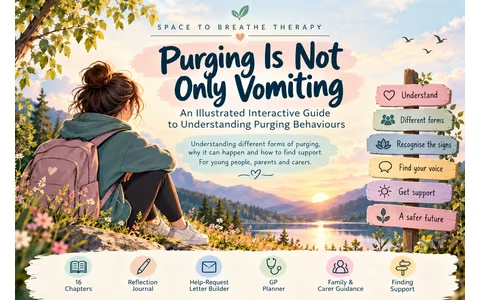
Purging Is Not Only Vomiting
An illustrated interactive guide for young people, adults experiencing eating disorders, parents, carers and loved ones. Explores different forms of purging and compensatory behaviours, their emotional and physical impact, and ways to seek support. Includes 16 chapters, personal reflections and practical support tools.
Food, Emotions & Sensory Experiences

Eating Disorders During Pregnancy and After Birth
A compassionate interactive guide exploring eating disorders during pregnancy and after birth, with practical support, gentle reflections, emotional wellbeing tools and personalised plans to help navigate challenges and seek support.
Food, Emotions & Sensory Experiences

Eating Disorders in Midlife and Menopause
Explore how midlife and menopause can affect eating disorders, body image, sensory experiences and emotional wellbeing. This interactive guide includes practical information, personal reflection activities and a downloadable support plan to help you understand your experiences and identify appropriate support.
Food, Emotions & Sensory Experiences

Fear Conditioning and Food Avoidance
Explore how fear, difficult experiences and sensory sensitivities can lead to food avoidance. This compassionate interactive guide helps you understand learned food fears, recognise your individual needs and discover supportive steps towards recovery without pressure or judgement.
Food, Emotions & Sensory Experiences

Healing My Relationship With Food - Workbook
A compassionate, practical workbook exploring food rules, emotional eating, sensory needs, neurodivergence and body image. Includes reflective exercises, worksheets and personal support plans to help build a safer, more flexible relationship with food, without guilt, judgement or pressure to eat perfectly.
Food, Emotions & Sensory Experiences

Relationships with Food
A compassionate, reflective workbook exploring the emotional, sensory and psychological roles food can play beyond hunger. Through practical exercises, personal reflections and gentle guidance, discover how to better understand your relationship with food without judgement, pressure or expectations of perfection.
Food, Emotions & Sensory Experiences

Emotional Relationships with Food
A compassionate, reflective workbook exploring emotional eating, food rules, sensory safety, neurodivergence and the deeper meanings food can hold. Includes practical worksheets, personal reflections and gentle guidance to build a safer, more flexible relationship with food through understanding rather than judgement.
Body Image & Self-Perception - Body image can strongly influence how people feel about themselves and their relationship with food. This page explores how body image develops and how it can affect self-esteem and wellbeing.
Body Image & Self-Perception
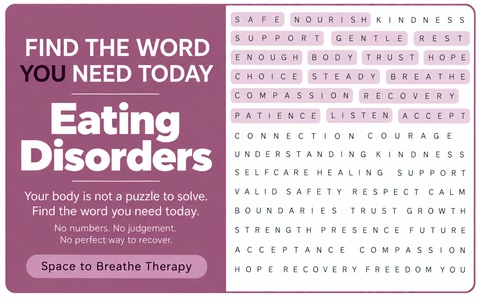
Find the Word You Need Today - Eating Disorders
A gentle, recovery-focused word search encouraging kindness, hope, safety and self-compassion. Includes meaningful hidden words, reflective prompts and a personal check-in to help people experiencing eating disorders explore their feelings and identify supportive steps, without scores, pressure or judgement.
Body Image & Self-Perception

When Exercise Stops Feeling Like a Choice
An illustrated interactive guide exploring the emotional pressures, invisible rules and fears that can make exercise feel compulsory during an eating disorder. Includes gentle self-reflection, real-life situations, compassionate coping ideas and a downloadable personal support plan to encourage understanding, balance and recovery.
Body Image & Self-Perception

When Self-Worth Becomes Tied to Weight or Shape
Explore how weight and body shape can become linked to self-esteem, identity and personal value. This interactive guide examines body checking, comparison, appearance-related beliefs and body neutrality, with reflective activities and a personalised Self-Worth Beyond Appearance Plan to save, download or print.
Body Image & Self-Perception

Understanding Body Image and Self-Perception
Explore an interactive Body Image Studio to understand how thoughts, emotions, memories and outside influences shape self-perception. Discover different layers of body image, create a personal influence map, complete gentle journal activities and develop a downloadable Body Image Support Plan.
Body Image & Self-Perception
Self-Compassion and Body Neutrality in Recovery
A compassionate guide to managing difficult body-image thoughts, reducing self-criticism and practising body neutrality during eating disorder recovery. Includes gentle reflections and practical ways to respond to difficult moments.
Body Image & Self-Perception
Rebuilding Identity Beyond an Eating Disorder
A compassionate, interactive guide to rediscovering who you are beyond an eating disorder. Explore identity, body image, self-perception, personal values and recovery through gentle reflections, practical activities and opportunities to reconnect with the parts of yourself that matter.
Body Image & Self-Perception

Photographs, Mirrors and Difficult Body-Image Days
A compassionate, interactive guide for anyone struggling with body image or body dysmorphia. Explore practical tools for managing mirrors, photographs, appearance-related anxiety and difficult days, with gentle exercises, personal reflections and supportive strategies to build self-acceptance and confidence.
Body Image & Self-Perception

Movement, Exercise and Respecting the Body
A compassionate guide to developing a healthier relationship with movement and exercise during eating disorder recovery. Explore the pressures surrounding physical activity, recognise unhelpful patterns, embrace rest and discover gentle, practical ways to respect your body without guilt or judgement.
Body Image & Self-Perception

Food, Fullness and Feeling Different in Your Body
Explore how food, fullness and body sensations can affect thoughts, emotions and self-image during an eating disorder. This compassionate, interactive resource offers practical guidance, gentle reflections and supportive strategies to help build a more understanding and comfortable relationship with your body.
Body Image & Self-Perception

Comparison, Social Media and the “Ideal” Body
Explore how social media, unrealistic beauty standards and constant comparison can affect body image, self-esteem and eating behaviours. This compassionate, interactive resource offers practical activities, gentle reflections and supportive guidance to help challenge harmful messages and develop a healthier relationship with your body.
Body Image & Self-Perception
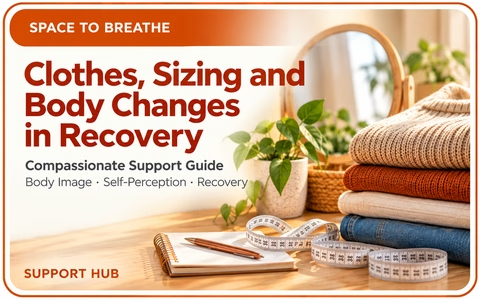
Clothes, Sizing and Body Changes in Recovery
A compassionate, practical guide to navigating clothing sizes, body changes and difficult feelings during eating disorder recovery. Explore ways to feel more comfortable in your clothes, reduce body checking and rebuild confidence without pressure to look a certain way.
Body Image & Self-Perception

Body Checking, Mirror Checking and Reassurance Seeking
An interactive guide to understanding body checking, mirror checking and reassurance seeking. Explore how checking cycles develop, practise gentler responses to body-image concerns, reflect on your experiences and create a personalised support plan to help reduce distress and build confidence.
Body Image & Self-Perception

Body Image & Self-Perception
Explore how body image and self-perception influence thoughts, emotions, eating behaviours and self-esteem. This compassionate resource offers practical guidance and gentle reflections to help challenge negative body beliefs, reduce comparison and develop a more accepting relationship with your body.
Physical Effects & Health - This section explores how eating disorders can affect the body, including the heart, bones, digestion, hormones, energy and sleep. It covers why these effects can be serious even when they aren’t visible, the importance of medical monitoring, and how the body can begin to heal with the right care and support.
Recovery & Support - Recovery from eating disorders often involves support, understanding, and compassionate care. This page explores different pathways to recovery and the importance of professional and community support.
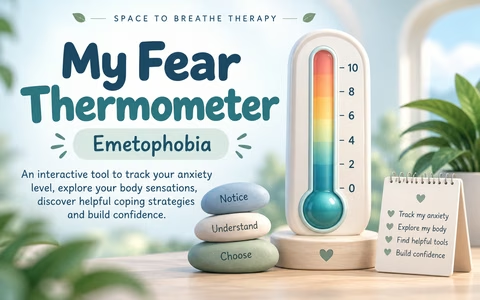
My Fear Thermometer – Emetophobia
An interactive fear thermometer designed to help you recognise anxiety levels, identify physical sensations and discover helpful coping strategies. Explore your feelings, build confidence through practical tools, reflect on personal experiences and track your progress in a supportive, accessible way.

A GENTLE FOOD CHECK-IN- What Do I Need Around Food Right Now?
A gentle, supportive check-in to help you recognise your feelings, understand your needs and explore small, manageable steps forward. Reflect at your own pace, create a personal wellbeing plan and discover helpful strategies without pressure, judgement or expectations to change.

Supporting an Adult with ARFID
A compassionate, interactive guide to supporting adults with ARFID. Explore sensory needs, food-related fears, everyday challenges, communication and healthy boundaries. Includes practical activities, a personalised support plan and reflection journal, encouraging greater understanding, confidence and compassionate support throughout the recovery journey.

Safe Foods at Home
An interactive ARFID resource helping parents identify, organise and protect their child's safe foods. Build a personalised food library, explore sensory preferences, manage food availability, prepare for unexpected changes and create a practical home support plan that can be saved, downloaded or printed.

Beyond the Mealtime Struggles – ARFID
An interactive guide exploring how ARFID affects emotions, family life, school and social situations. Understand your child’s experiences, recognise everyday challenges and discover compassionate ways to reduce pressure. Includes practical strategies and a personalised family support plan to encourage understanding, confidence and connection.
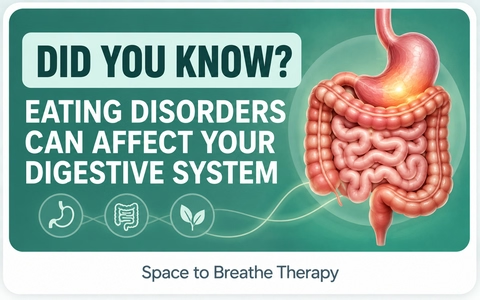
Did You Know? Eating Disorders Can Affect Your Digestive System
An informative fact sheet exploring how eating disorders can affect digestion, causing bloating, constipation, reflux, nausea and discomfort. Learn how restriction, dehydration and purging behaviours affect gut health, what to expect during recovery and when to seek medical support.
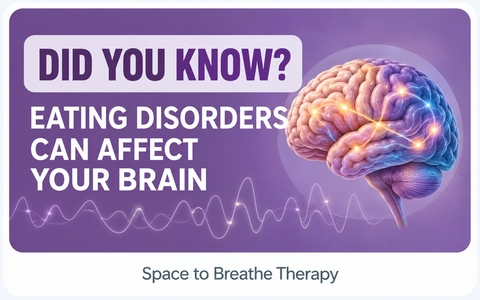
Did You Know? Eating Disorders Can Affect Your Bones
An informative fact sheet exploring how eating disorders can affect concentration, memory, mood, decision-making and emotional wellbeing. Discover why brain fog and rigid thinking can develop, and how adequate nutrition, psychological treatment and professional support can help the brain recover.
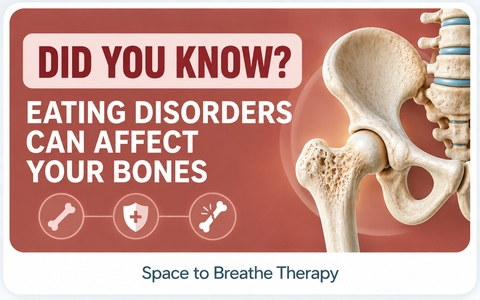
Did You Know? Eating Disorders Can Affect Your Bones
An informative fact sheet exploring how eating disorders and inadequate nutrition can affect bone strength, hormones and fracture risk. Learn about osteopenia, osteoporosis, medical monitoring and the importance of consistent nourishment in protecting bone health and supporting recovery.

LET'S TRASH CAN IT
A playful, practical activity for letting go of unhelpful thoughts, worries, criticism and unrealistic expectations. Includes printable Trash Slips, interactive reflections and a Keep & Care exercise to help you release what no longer serves you while recognising what needs attention, compassion or support

THE THOUGHT WALL
A practical, reflective resource for managing racing thoughts, worries and overwhelming emotions. Includes interactive thought-dumping exercises, gentle prompts and tools to organise feelings, recognise what needs attention and find manageable next steps without pressure or judgement.
THE UNSAID WALL
A private, reflective space for exploring unspoken thoughts, difficult emotions and the fear of being misunderstood or rejected. Includes gentle writing prompts, interactive reflections and practical ways to explore communication, boundaries and personal choices without pressure to share what you're not ready to say.
THE FEELING WALL
A gentle, reflective resource for exploring complicated, overwhelming or conflicting emotions without judgement. Includes practical exercises to recognise feelings, understand triggers, explore emotional needs and find supportive ways forward, with grounding techniques and space for personal reflection.

MENTAL HEALTH SUPPORT GROUPS — UK DIRECTORY
A comprehensive directory of UK mental-health support groups, peer networks and online communities. Explore organisations across England, Scotland, Wales and Northern Ireland, with guidance on finding local groups, choosing accessible support and connecting with others who understand your experiences.
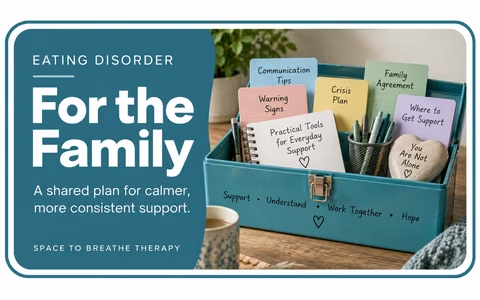
Eating Disorder Toolbox - For the Family
A compassionate, practical toolbox for families supporting someone with an eating disorder. Includes helpful communication strategies, shared support plans, healthy boundaries and guidance for difficult moments, helping families work together with greater understanding, consistency and less pressure around food and recovery.
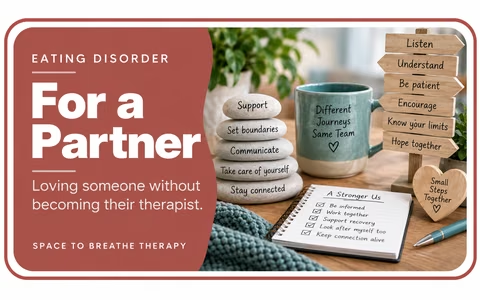
Eating Disorder Toolbox - For a Partner
A compassionate, practical guide for partners supporting someone with an eating disorder. Explore communication, healthy boundaries, intimacy and emotional wellbeing, with practical coping strategies, relationship check-ins and support plans to help you stay connected without becoming responsible for your partner’s recovery.
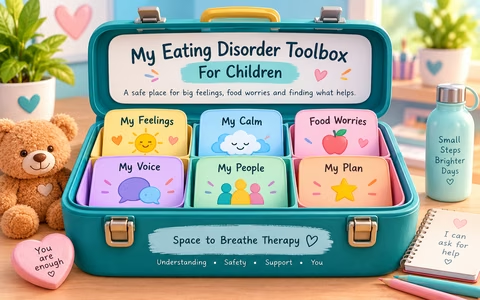
Eating Disorder Toolbox - For a Child
A colourful, interactive toolbox helping children explore food worries, recognise feelings, find calming strategies and communicate their needs. Includes printable support cards, activities for ARFID and eating-related anxiety, and a personalised support plan for children and their trusted adults.
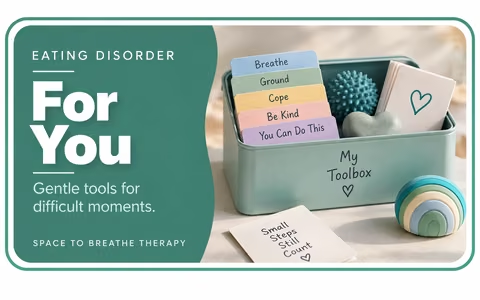
Eating Disorder Toolbox - For You
compassionate, practical toolbox for managing difficult eating-disorder thoughts, emotions and food-related situations. Includes gentle check-ins, coping strategies, communication tools and personalised support plans to help you navigate challenging moments, recognise your needs and support recovery without pressure or perfection.

Why Can Recovery Cause Bloating?
Discover why bloating can happen during eating-disorder recovery. This interactive guide explores digestive changes across different eating disorders, offers gentle comfort strategies and helps you understand when to seek additional support.
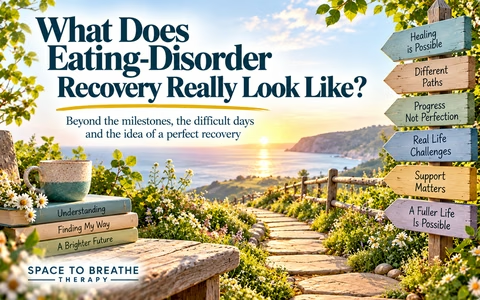
What Does Eating-Disorder Recovery Really Look Like?
Discover what eating-disorder recovery can really look like beyond visible milestones and expectations of perfection. This compassionate interactive guide explores different recovery experiences, everyday challenges and meaningful progress, helping individuals, families and carers understand that every recovery journey is unique.
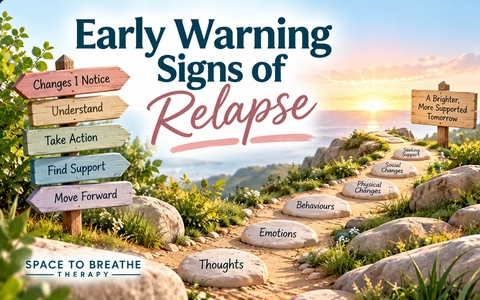
Early Warning Signs of Relapse
A compassionate interactive guide to recognising the early warning signs of eating-disorder relapse. Explore changes in thoughts, emotions and behaviours, identify personal warning signs and create a supportive recovery plan to help you seek help early, without judgement or shame.

Returning to Work or Study in Recovery
A gentle, interactive guide to finding your way back to work, college, university or education while protecting your eating disorder recovery. You can move at your own pace, skip questions, save your reflections and create a personal return-to-work or study support plan.

Can Blood Tests Be Normal?
An informative article explaining why blood tests can appear normal even when an eating disorder is present. Explore what blood results can and cannot reveal, why medical risks may go undetected, and the importance of appropriate assessment and ongoing support.

Understanding Levels of Treatment
An interactive guide to understanding different levels of eating-disorder treatment, from early support and outpatient care to intensive programmes and specialist inpatient services. Explore six large double-sided flip cards, learn when different levels of support may be appropriate, and create a personalised treatment discussion plan.
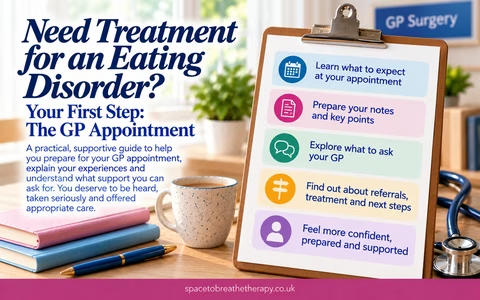
Need Treatment for an Eating Disorder? Your First Step: The GP Appointment
Asking for help can feel difficult. This interactive guide will help you prepare for your GP appointment, explain your experiences and understand what support you can ask for.

ARFID: Step-by-Step Recovery
Explore ARFID recovery through eight interactive doorways covering food fears, sensory needs, safe foods and personal progress. Includes supportive activities, a recovery plan and a personal message from Maggie.

My Recipe for Life - Unspecified Feeding or Eating Disorder (UFED)
An interactive UFED recovery flip-book featuring eight gentle recipe cards, each offering practical understanding, compassionate reminders and personal reflections. Includes a mixing bowl and wooden spoon, saved notes, bookmarks and downloadable reflections

My Recipe for Life - Rumination-Regurgitation Disorder
A gentle interactive workbook for rumination-regurgitation disorder, with 12 recipes for life exploring physical comfort, emotional wellbeing, self-compassion, confidence and professional support, alongside saved reflections and a personalised recipe builder.

My Recipe for Life - Pica
A compassionate interactive workbook exploring pica, sensory needs, emotional wellbeing, safety and supportive communication, with 12 recipes for life, saved reflections and a personalised support recipe.
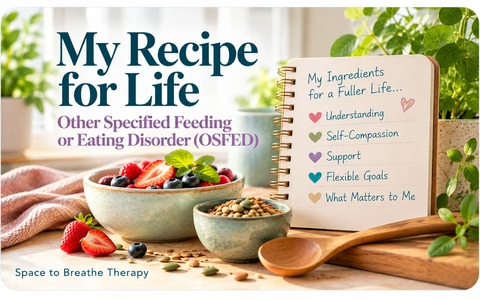
My Recipe for Life - Other Specified Feeding or Eating Disorder (OSFED)
A flip-book style set of interactive OSFED recipe cards using a gentle recovery metaphor. Each card explores an aspect of OSFED, with a front-and-back flip, space for reflections, a bookmark feature, downloadable notes and a warm visual theme featuring a mixing bowl and wooden spoon.

My Recipe for Life - Bulimia Nervosa
A gentle, interactive recovery workbook for people experiencing bulimia nervosa, using personal recipes for life to explore self-compassion, emotional awareness, body respect, supportive relationships and hope, with saved reflections and a personal recipe builder.

My Recipe for Life - Binge Eating Disorder
A gentle interactive recovery workbook for binge eating disorder, with 12 recipes for life exploring emotional awareness, self-compassion, food-related distress, body respect and hope, alongside saved reflections and a personalised recipe builder.

My Recipe for Life - Avoidant/Restrictive Food Intake Disorder (ARFID)
Create your own personalised ARFID recovery recipe using ingredients such as understanding, safety, nourishment, compassion and support. Explore your sensory and emotional needs, recognise what helps you feel safe around food, and create a personal recipe card to save, download or print.

My Recipe for Life - Anorexia Nervosa
A compassionate interactive recovery workbook for anorexia nervosa, featuring 12 recipes for life exploring self-compassion, identity, body respect, emotional safety, supportive relationships and hope, with saved reflections and a personalised recipe builder.

My Recipe for Life - T1DE / Diabulimia
A gentle, interactive recovery workbook for people experiencing T1DE/diabulimia, using the idea of a personal recipe for life to explore self-compassion, emotional safety, body respect, trusted support and hope, with a recipe builder and downloadable reflections.

My Recipe for Life - Purging Disorder
A gentle blue interactive recovery workbook for purging disorder, featuring 12 recipes for life exploring self-compassion, emotional safety, body respect, supportive relationships and hope, with saved reflections and a personalised recipe builder.

My Recipe for Life - Orthorexia
An interactive recovery workbook exploring orthorexia-related food anxiety, rigid rules, perfectionism, guilt and self-compassion, with 12 personal recipes for life, saved reflections and a downloadable recipe builder.

My Recipe for Life - Night Eating Syndrome
An interactive recovery activity for Night Eating Syndrome. Explore five ingredients—understanding, nourishment, rest, compassion and support

My Recipe for Life - Eating Disorders & Neurodivergence
A gentle, interactive activity for exploring recovery, self-understanding and personal wellbeing. Choose meaningful ingredients such as patience, compassion and hope, then create your own recipe for life through personal reflections, at your own pace and without judgement.

My Recipe for Life - Disordered Eating & Emotional Eating
reate your own personalised recipe for a healthier relationship with food. Choose ingredients such as understanding, balance, coping, compassion and support, explore the emotions behind eating patterns, and create a recovery recipe card to save, download or print.

My Recipe for Life - Compulsive Exercise in Eating Disorders
Create your own personalised recovery recipe for compulsive exercise. Choose ingredients such as understanding, balance, rest, compassion and freedom, explore your relationship with exercise, and develop a gentle recipe for recovery that you can save, download or print.

My Recipe for Life - Atypical Anorexia Nervosa
A gentle interactive activity to help you explore what recovery and support could look like for you. Your needs matter, whatever your body size.
My T1DE / Diabulimia Diary
A private, interactive reflection diary for people experiencing T1DE/diabulimia, offering daily emotional check-ins, diabetes-related reflections, a saved journal, calendar and personal support plan, without calorie, weight or insulin-dose tracking.
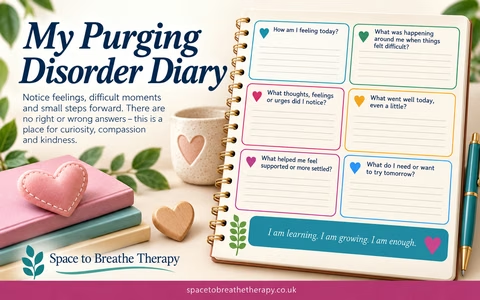
My Purging Disorder Diary
Use this page to notice feelings, difficult moments, sources of support and small steps forward. There are no right or wrong answers. This is a place for curiosity, compassion and kindness. You do not have to complete every box.
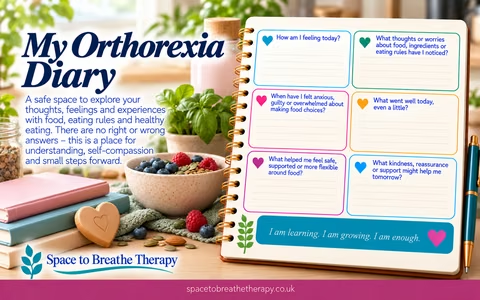
My Orthorexia Diary
This is your space to explore thoughts, feelings, eating rules, worries and experiences around food. There are no right or wrong answers. You can write as much or as little as you wish. This is a place for understanding, self-compassion and small steps towards a more flexible relationship with food.

My Night Eating Syndrome Diary
This is your space to explore feelings, eating experiences, sleep, routines and sources of support. Eating during the evening or night is not automatically a problem. What matters is how you are feeling and whether your experiences are causing distress. There are no right or wrong answers.
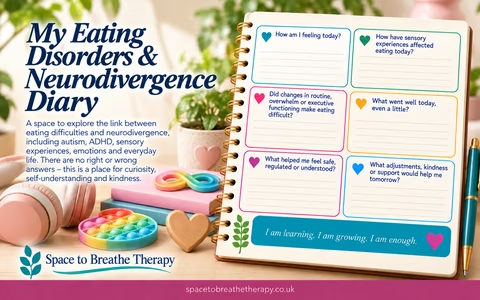
My Eating Disorders & Neurodivergence Diary
This is your space to explore how eating, sensory experiences, routines, emotions and everyday demands affect you. There are no right or wrong answers. You can write as much or as little as you wish. Your needs and experiences matter.
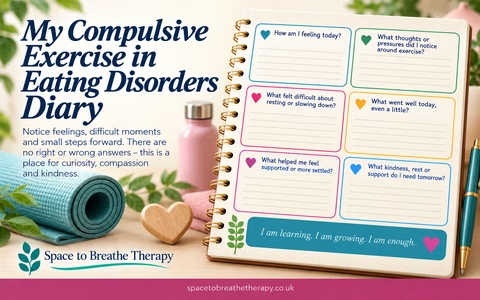
My Compulsive Exercise in Eating Disorders Diary
Use this diary to explore your feelings about exercise, movement and rest. Notice pressures, difficult moments, helpful support and small steps towards balance. There are no right or wrong answers. You deserve kindness and rest without having to earn them.
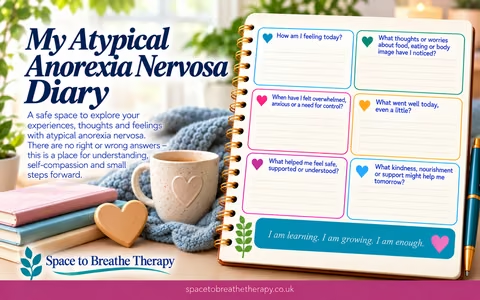
My Atypical Anorexia Nervosa Diary
This is your space to explore feelings, food-related worries, difficult moments and sources of support. Your experiences matter at every body size. There are no right or wrong answers and no pressure to complete every box. You deserve kindness, understanding and appropriate care.
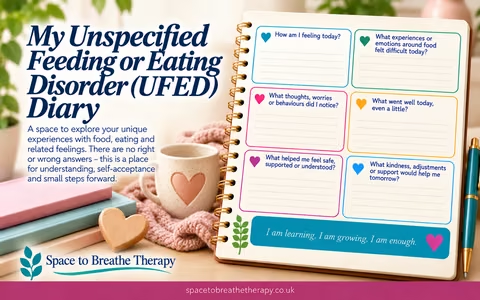
My Unspecified Feeding or Eating Disorder (UFED) Diary
This is your space to explore feelings, eating experiences, difficult moments and sources of support. Your experiences matter, even when they do not fit neatly into a particular diagnosis. There are no right or wrong answers. You can write as much or as little as you wish.
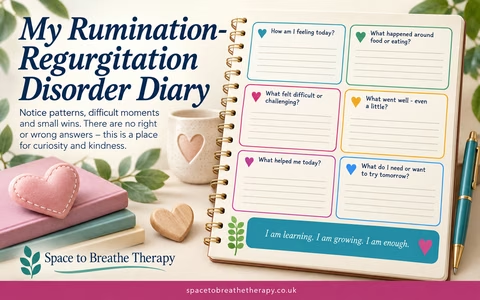
My Rumination-Regurgitation Disorder Diary
Use this page to notice patterns, difficult moments and small wins. There are no right or wrong answers - this is a place for curiosity and kindness.
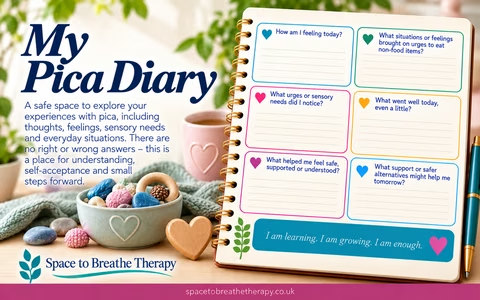
My Pica Diary
This is your space to explore feelings, sensory needs, urges and experiences without judgement. There are no right or wrong answers. You can write as much or as little as you wish. Your experiences matter, and you deserve understanding, kindness and support.

My Other Specified Feeding or Eating Disorder (OSFED) Diary
A gentle, interactive diary for people living with Other Specified Feeding or Eating Disorder (OSFED). Explore emotions, eating-related challenges and recovery experiences through personal reflections, supportive exercises and a safe space to record progress at your own pace, without pressure or judgement.
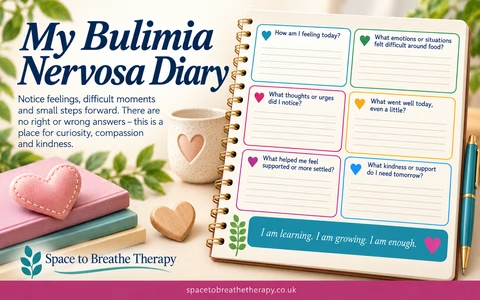
My Bulimia Nervosa Diary
Use this page to notice your feelings, difficult moments, sources of support and small steps forward. There are no right or wrong answers. This is a place for curiosity, compassion and kindness. You do not need to complete every box.
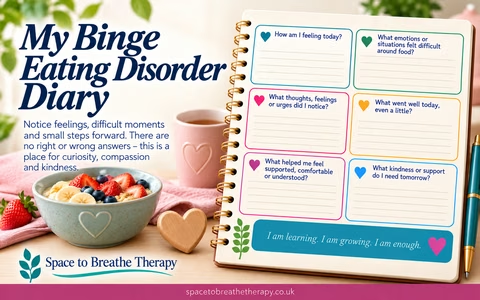
My Binge Eating Disorder Diary
This is your space to explore feelings, experiences around food, difficult moments and small steps forward. There are no right or wrong answers. You do not have to complete every box. Your experiences deserve understanding, not judgement.
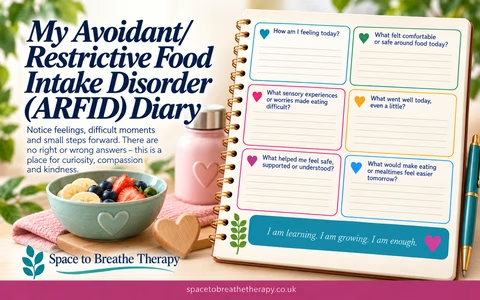
My Avoidant/Restrictive Food Intake Disorder (ARFID) Diary
This is your space to explore feelings, sensory experiences, comfortable foods and difficult moments around eating. There are no right or wrong answers, and no pressure to try anything new. Every experience matters. Take your time and be kind to yourself.
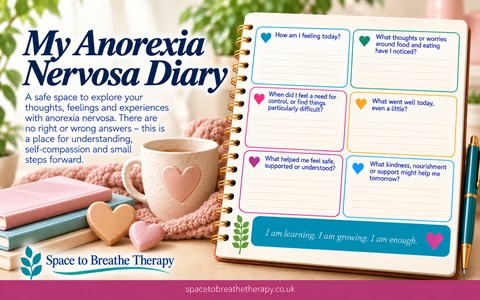
My Anorexia Nervosa Diary
This is your space to explore feelings, worries, difficult moments and sources of support. You do not need to have all the answers. There is no pressure to complete every box. Your experiences deserve kindness, understanding and care.
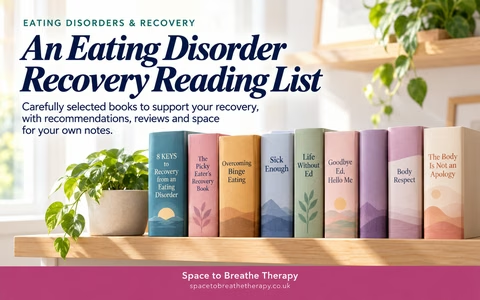
An Eating Disorder Recovery Reading List
Explore books about recovery, body image, ARFID, understanding eating disorders and finding support. Choose what feels helpful to you and read at your own pace.
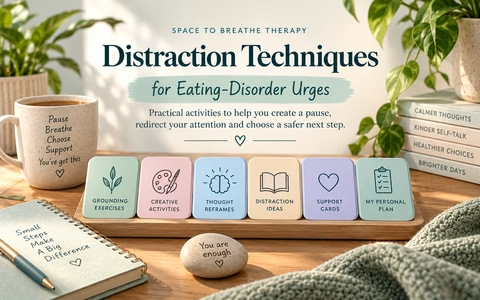
Distraction Techniques
Explore interactive activities to help manage difficult eating-disorder urges, including restriction, purging, binge eating, compulsive exercise, body checking and food-related anxiety. Includes grounding exercises, creative distractions, printable support cards and a personalised recovery support plan.
Recovery from an Eating Disorder
A gentle, beautifully illustrated booklet for individuals recovering from any type of eating disorder, as well as families, carers and professionals supporting them. Explore compassionate guidance, practical strategies and personal reflections to help navigate recovery with understanding, encouragement and hope.
For Parents & Carers - This section is for parents and carers supporting a child, young person or adult with an eating disorder. It covers recognising the signs, getting the right professional help, supporting recovery at home and around mealtimes, and looking after your own wellbeing through what can be an exhausting and emotional time.
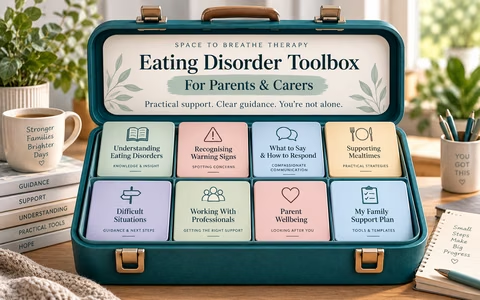
Eating Disorder Toolbox - For a Parent
An interactive support toolbox for parents and carers navigating a wide range of childhood eating disorders. Explore warning signs, communication strategies, mealtime support, difficult situations and professional guidance, with practical activities and a personalised, printable family support plan.
For Partners, Family & Friends - This section is for partners, relatives and friends who want to support someone they care about with an eating disorder. It covers how to talk about your concerns sensitively, what to say and avoid around food and appearance, how to offer steady support without taking on the role of carer, and how to look after yourself too.
For Partners, Family & Friends

FOOD AT SCHOOL
An interactive guide supporting children with ARFID, sensory sensitivities and eating difficulties at school. Explore practical lunchtime adjustments, create a personalised Food at School Passport and develop a school support plan. Includes guidance and further support through Space to Breathe Therapy.
For Partners, Family & Friends

Supporting Your Child Through the Whole Day, Not Just at the Table ,Arfid
Explore how ARFID affects more than eating, including school, friendships, emotions and family life. Drawing on lived experience and professional practice, this compassionate guide helps parents recognise hidden struggles, understand their child's needs and discover practical ways to offer meaningful support.
For Partners, Family & Friends

Understanding the Many Reasons Behind ARFID
ARFID is more than fussy eating. Explore sensory sensitivities, food fears, low appetite and neurodivergence. Drawing on lived experience and professional knowledge, this compassionate guide helps families understand eating difficulties, recognise individual needs and offer meaningful support. From my table to yours.
For Partners, Family & Friends

Arfid-It's Not About the Food – Looking Beyond the Dinner Table
A compassionate guide helping parents and carers understand the hidden struggles behind ARFID and food refusal. Explore sensory difficulties, anxiety and emotional overwhelm, recognise what children may communicate through eating behaviours and discover supportive ways to respond with understanding, patience and compassion.
For Partners, Family & Friends
Why Hunger Doesn't Always Override ARFID
An interactive guide exploring why hunger does not always overcome ARFID. Understand sensory distress, food-related anxiety, appetite differences and hunger signals. Discover how eating difficulties affect the body and mind, with compassionate explanations, practical insights and opportunities for reflection without pressure or judgement.
For Partners, Family & Friends

Arfid, but They Ate It Before
Why can a familiar safe food suddenly feel impossible to eat? This interactive ARFID book explores sensory changes, food fears and hidden triggers, helping families understand, reduce pressure and rebuild trust with compassion.
For Partners, Family & Friends

They Just Won’t Eat
What looks like food refusal can feel very different from the other side of the table. Drawing on my lifelong experience of ARFID and my work as a therapist, this compassionate guide helps parents understand their child's difficulties, reduce mealtime pressure and build trust, connection and understanding. From my table to yours.
For Partners, Family & Friends

Supporting Someone Without Policing Food
difficulties, including eating disorders, ARFID and neurodivergence. Explore how to offer practical meal support, communicate without judgement and recognise when professional help is needed, without monitoring, pressure or food policing.
For Partners, Family & Friends

Supporting Someone with UFED
A compassionate guide for families, partners, friends and carers supporting someone with Unspecified Feeding or Eating Disorder (UFED). Explore warning signs, emotional difficulties, practical meal support, communication and treatment, with guidance on medical risks, healthy boundaries and supporting recovery without judgement.
For Partners, Family & Friends
Supporting Someone with T1DE / Diabulimia
A compassionate interactive guide for families, partners and carers supporting someone with T1DE/diabulimia, covering communication, medical safety, diabetes distress, specialist treatment and practical support, with activities and a personal support plan.
For Partners, Family & Friends
Supporting Someone with Rumination-Regurgitation Disorder
This Support Hub guide is for parents, partners, families, friends and carers who want to understand what is happening and offer support without blame or embarrassment.
For Partners, Family & Friends

Supporting Someone with Purging Disorder
A compassionate guide for families, partners, friends and carers supporting someone with purging disorder. Explore warning signs, emotional distress, physical and medical risks, and treatment options, with practical advice on communication, after-meal support and encouraging recovery without shame, judgement or food policing.
For Partners, Family & Friends
Supporting Someone with Pica
A compassionate, practical guide for families, parents and carers supporting children or adults with pica. Explore possible causes, sensory needs, nutritional deficiencies and medical risks, with guidance on creating safer environments, recognising warning signs and accessing professional support without shame or judgement.
For Partners, Family & Friends
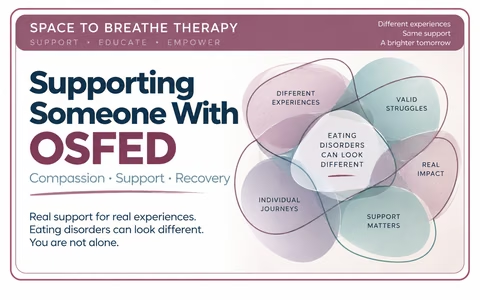
Supporting Someone with OSFED
A compassionate guide for families, partners, friends and carers supporting someone with Other Specified Feeding or Eating Disorder (OSFED). Explore warning signs, emotional difficulties, medical risks and treatment options, with practical advice on communication, meal support and encouraging recovery without judgement, shame or food policing.
For Partners, Family & Friends

Supporting Someone with Orthorexia
A compassionate guide for families, partners and carers supporting someone experiencing rigid healthy-eating rules and food-related anxiety. Explore perfectionism, restriction, neurodivergence and the influence of wellness culture, with practical strategies for supporting flexibility, nourishment and recovery without judgement or food policing.
For Partners, Family & Friends
Supporting Someone with Night Eating Syndrome
A compassionate, practical guide for families, partners and carers supporting someone with Night Eating Syndrome. Explore nighttime eating, sleep patterns, emotional wellbeing and treatment options, with practical tracking tools and supportive strategies to encourage understanding and recovery without shame or judgement.
For Partners, Family & Friends
Supporting Someone with Eating Disorders & Neurodivergence
A compassionate guide for families and carers supporting someone with an eating disorder and neurodivergence, offering practical ways to understand their needs, reduce pressure and provide support without judgement.
For Partners, Family & Friends

Supporting Someone with Disordered Eating & Emotional Eating
A compassionate guide for families, partners and carers supporting someone experiencing emotional eating, food anxiety or disordered eating. Explore emotional triggers, restrictive patterns, neurodivergence and food-related guilt, with practical strategies to reduce shame, encourage healthier coping and offer support without judgement or food policing.
For Partners, Family & Friends

Supporting Someone with Compulsive Exercise in Eating Disorders
A practical, compassionate guide to recognising compulsive exercise in eating disorders, offering supportive communication strategies, healthy boundaries, medical safety information and guidance for families and carers.
For Partners, Family & Friends
Supporting Someone with Bulimia Nervosa
A compassionate guide for families, partners, friends and carers supporting someone with bulimia nervosa. Explore warning signs, communication, emotional support, healthy boundaries and practical ways to encourage recovery.
For Partners, Family & Friends

Supporting Someone with Binge Eating Disorder
A compassionate illustrated interactive guide for anyone supporting someone with binge eating disorder. Explore how to understand their experiences, communicate without judgement, build trust and encourage recovery, with practical tools, reflections and guidance for loved ones.
For Partners, Family & Friends
Supporting Someone with Atypical Anorexia Nervosa
A compassionate and practical guide for families, partners, friends and carers supporting someone with atypical anorexia nervosa. Explore warning signs, emotional difficulties, communication, medical risks, healthy boundaries and ways to encourage recovery.
For Partners, Family & Friends
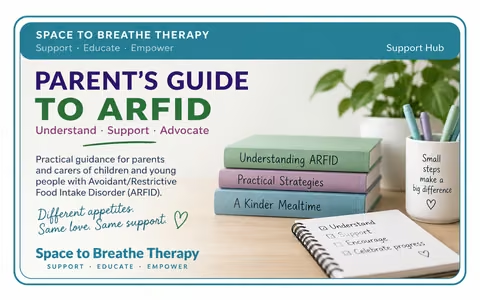
Supporting Someone with ARFID
A compassionate, practical guide for parents and carers supporting a child with ARFID. Explore sensory difficulties, food-related fears, safe foods, neurodivergence and nutritional needs, with practical advice on calmer mealtimes, school support, professional assessment and advocating for your child without pressure or judgement.
For Partners, Family & Friends
Supporting Someone with Anorexia Nervosa
A compassionate guide for families, partners and carers supporting someone with anorexia nervosa. Explore warning signs, emotional difficulties, medical risks and treatment, with practical guidance on communication, meal support, boundaries and recovery without shame or judgement.
For Partners, Family & Friends

Helping a Loved One: Families and Carers
A compassionate interactive guide for families, partners, friends and carers supporting someone with an eating disorder. Explore different eating disorders, understand difficult behaviours, practise supportive conversations and create your own reflections and family support plan. Includes 14 chapters, bookmarks and downloadable resources.
For Partners, Family & Friends
Supporting Someone with Binge Eating Disorder
A compassionate illustrated interactive guide for anyone supporting someone with binge eating disorder. Explore how to understand their experiences, communicate without judgement, build trust and encourage recovery, with practical tools, reflections and guidance for loved ones.
For Partners, Family & Friends
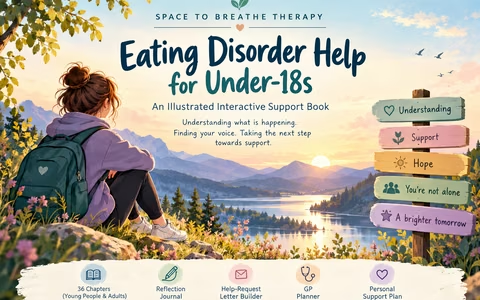
Eating Disorder Help for Under-18s
A gentle, illustrated interactive book for young people experiencing eating disorders, with dedicated guidance for parents and carers. Includes 36 supportive chapters, reflections, a journal and practical tools to help young people feel understood, find their voice and access support.
For Partners, Family & Friends

Supporting Someone with an Eating Disorder
An interactive, compassionate guide for families, friends and carers supporting someone with an eating disorder. Explore understanding, communication, healthy boundaries and practical ways to offer support without judgement, pressure or blame, while caring for your own wellbeing.
Games, Distractions & Interactive Activities - This section offers games, puzzles and interactive activities to help you shift your focus when difficult thoughts or urges feel loud, including during and after mealtimes. They provide a gentle, absorbing distraction that has nothing to do with food or appearance, helping you ride out harder moments and give your mind a well-earned break.
Games, Distractions & Interactive Activities

Serenity in the Details
Discover a beautifully detailed dot-to-dot experience featuring intricate nature-inspired artwork. Choose your difficulty, connect hundreds of numbered dots, explore hidden details and enjoy a calming creative activity with interactive controls, saved progress, printable puzzles and no pressure to finish.
Diaries, Worksheets & Downloads - This section offers printable diaries, worksheets and guides to support recovery from an eating disorder, ideally alongside professional help. They can help you notice patterns in your thoughts and feelings, prepare for appointments, build coping strategies and reflect on your progress in a compassionate, non-judgemental way.
Diaries, Worksheets & Downloads
My Wellbeing & Recovery Plan
This downloadable workbook sits within the Eating Disorders section of the Support Hub and provides a structured but flexible way to explore your own recovery needs.
Diaries, Worksheets & Downloads
Recovery: My Way
A supportive guide to setting personal recovery goals, celebrating small steps and building self-belief at your own pace.
Diaries, Worksheets & Downloads
Recognising My Warning Signs
Noticing changes early can make it easier to seek support before an eating disorder becomes more difficult to manage.
Diaries, Worksheets & Downloads
My Support Network
Eating-disorder recovery does not have to be managed alone. My Support Network is a practical reflection workbook designed to help you identify the people, professionals and services that can support different parts of your recovery.
Diaries, Worksheets & Downloads
Practising Self-Compassion
Practising Self-Compassion is a reflective workbook designed to help you respond to those difficult moments without adding punishment or shame.
Diaries, Worksheets & Downloads

Body Neutrality
Body Neutrality is a practical Eating Disorders workbook for people who find traditional body-positive messages difficult, unrealistic or pressuring.
Diaries, Worksheets & Downloads
Supporting Myself Through Difficult Mealtimes
This practical workbook helps you identify what makes eating difficult and create individual support for before, during and after a meal.
Diaries, Worksheets & Downloads
Emotions & Eating
Food and emotions can become closely connected. This Eating Disorders workbook helps you explore that relationship without turning it into another reason for judgement or self-criticism.
Diaries, Worksheets & Downloads
The Eating Disorder Voice
Eating-disorder thoughts can feel convincing, demanding and difficult to separate from your own beliefs.
Diaries, Worksheets & Downloads

My Gentle Check-In
My Gentle Check-In is a calm Eating Disorders reflection workbook for noticing how you are feeling without turning recovery into another test, score or reason for self-judgement.
Diaries, Worksheets & Downloads
Supporting Someone With Binge Eating Disorder
A practical, compassionate guide to understanding binge eating disorder and supporting someone through recovery without judgement.
Diaries, Worksheets & Downloads
Supporting Someone With An Eating Disorder
A gentle guide to understanding eating disorders and offering compassionate, practical support throughout recovery.
Diaries, Worksheets & Downloads
Need Treatment For An Eating Disorder
A practical guide to taking the first steps towards eating disorder treatment, speaking to your GP and finding the right support for your recovery.
Personal Perspectives - This section shares personal stories and reflections from people who have experienced an eating disorder, as well as those who have supported a loved one through recovery. Their experiences show that recovery is possible, even when it feels out of reach, and may help you feel understood, less alone and more hopeful about the road ahead.
Coaching - This page offers coaching support for those affected by eating disorders. It looks at building healthier coping mechanisms, self-compassion, and steady, sustainable steps towards recovery.
GETTING THROUGH THE NEXT MEAL
A compassionate, practical guide for people experiencing eating disorders, disordered eating or ARFID. Explore ways to manage mealtime anxiety, sensory challenges and difficult emotions, with grounding techniques, after-meal support and a personalised meal support plan.
ARFID - A GUIDE FOR FAMILY & LOVED ONES
An interactive guide exploring how eating disorders affect heart health, including malnutrition, heart rhythm changes, electrolyte imbalances and purging. Understand medical warning signs, treatment and recovery through practical activities, compassionate explanations and personal reflections, encouraging awareness and appropriate professional support.
Eating Disorders – A Guide for Family & Loved Ones
A compassionate, interactive guide for families, partners, friends and carers supporting someone with an eating disorder. Explore communication, mealtime challenges, treatment, recovery and carers’ wellbeing. Includes practical scenarios, gentle reflections and supportive strategies to encourage understanding, confidence and compassionate care.
Distraction Techniques
Explore interactive activities to help manage difficult eating-disorder urges, including restriction, purging, binge eating, compulsive exercise, body checking and food-related anxiety. Includes grounding exercises, creative distractions, printable support cards and a personalised recovery support plan.
Helping Someone Who Is Struggling
This practical three-page workbook is for friends, relatives, colleagues and supporters who want to respond with care
Where to Get Help - This section brings together trusted organisations, helplines and services that specialise in eating disorder support. Whether you’re worried about yourself or someone you care about, it can help you take the first step, from speaking to a GP to finding specialist charities, support groups and someone to talk to today.