





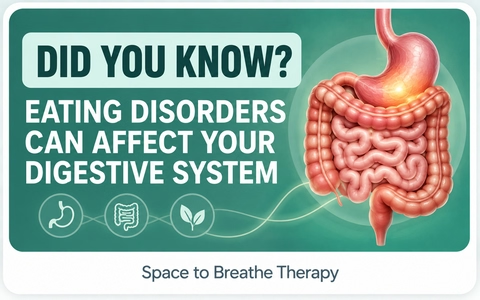
Did You Know? Eating Disorders Can Affect Your Digestive System
Eating disorders can affect the digestive system in ways that are uncomfortable, confusing and sometimes frightening. Bloating, constipation, reflux, nausea, abdominal discomfort and feeling full very quickly can all become part of someone's experience.
This downloadable Did You Know? fact sheet explains how restriction, undernutrition, dehydration, vomiting and laxative misuse can affect digestion. It also explores why digestion may slow, why bowel habits can change and why bloating does not simply mean someone has gained body fat.
Importantly, the fact sheet looks at what can happen during recovery. When regular nutrition is reintroduced, the digestive system may need time to adapt. Fullness, bloating and changes in bowel habits can sometimes feel more noticeable before they begin to settle, which can be particularly difficult when eating already causes anxiety.
The resource includes information about recovery, professional support, symptoms that should be medically assessed and why gastrointestinal discomfort should not automatically be dismissed as anxiety or accepted as an unavoidable part of an eating disorder.
Recovery involves helping the whole body begin functioning more consistently again. Understanding digestive symptoms can make them feel less mysterious and can help someone continue seeking appropriate support rather than facing them alone.
Download the full fact sheet to learn more about eating disorders, digestive health, recovery and where to begin asking for help.
Space to Breathe Therapy