





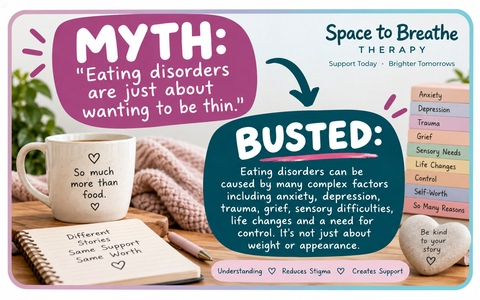
Bust a Myth Around Food: “Eating Disorders Are Just About Wanting to Be Thin”
Weight and body image can be part of an eating disorder, but they are not the whole story—and for some people they are not the driving force at all.
Food difficulties can sit alongside depression, anxiety, trauma, grief, chronic stress, food noise and preoccupation, sensory processing differences, ARFID, autism, ADHD, physical illness, nausea, appetite changes, a need for control, low self-worth and major life changes.
Depression can make preparing and eating food feel impossible. Anxiety can bring nausea and fear. Grief can take appetite away or make meals painfully connected to memories. Trauma can affect safety, control and connection with the body. ARFID may involve sensory distress, low interest in eating or fear of consequences such as choking or vomiting. Neurodivergence can influence sensory processing, interoception, routines and executive functioning.
There is no single eating-disorder story, and you cannot reliably tell who is struggling by looking at their body.
Message from Maggie
When food becomes difficult, I want us to look beyond the plate. What has happened? What does eating feel like? What is the person carrying emotionally? What sensory, physical or practical barriers are present? Sometimes food is where distress becomes visible, while the story underneath is much bigger. That story deserves to be heard.
Space to Breathe Therapy