





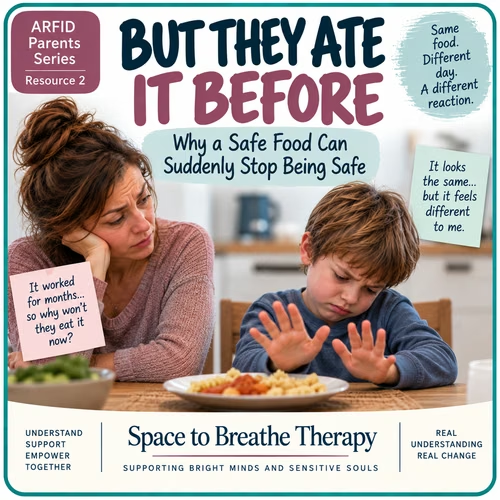
But They Ate It Before
Why a Safe Food Can Suddenly Stop Being Safe
One of the most confusing moments for an ARFID parent is watching a child reject a food they have eaten safely for weeks, months or even years.
“But you ate this yesterday” feels completely logical from the parent’s side of the table. From the child’s side, something may genuinely have changed.
This in-depth ARFID Parents resource explores why a previously safe food can suddenly become impossible. It looks at subtle changes in brand, batch, recipe, packaging, texture, smell, temperature and preparation; food jags and sensory fatigue; illness, vomiting and choking associations; gastrointestinal symptoms; allergy and intolerance concerns; stress and sensory overload; appetite changes; conditioned fear; and the way the brain can learn that a once-safe food now predicts something unpleasant.
The guide also looks at what happens to the whole family when an important safe food disappears. Parents are helped to consider the nutritional role the food was playing, protect the foods that remain, develop realistic backups and recognise when a rapidly shrinking range needs professional support.
Importantly, this is not a guide to forcing the lost food back into the diet. It explains why pressure, secretly changing trusted foods or deliberately withholding alternatives can increase fear and damage trust. Instead, parents are given practical ways to investigate what changed, respond during the first 48 hours, communicate with school, record gut and body symptoms and decide when medical, dietetic or psychological assessment is needed.
A “From My Side of the Table” section adds lived experience to the clinical information: having eaten something before does not mean the person’s body or nervous system experiences it as safe today.
The resource includes a Safe Food Loss Investigation, Parent Response Plan, questions for professionals and a Safe Food Security Plan designed to help families move away from crisis management and toward longer-term resilience.
The aim is not simply to get the old food eaten again.
It is to understand what changed, protect nutrition, believe the child’s experience without jumping to conclusions, preserve trust and gradually build a food system that can cope when one safe food changes or disappears.
Space to Breathe Therapy
ARFID Parents Series — Resource 2




