



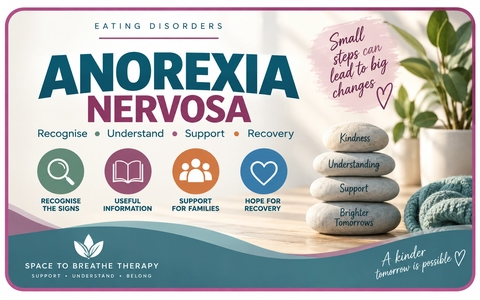

ANOREXIA NERVOSA: WARNING SIGNS, WHAT TO LOOK OUT FOR & HOW TO SUPPORT
When someone you love may be struggling with anorexia, it can be difficult to know what you are seeing, what to say, or when to step in. The early signs are not always dramatic. They can begin quietly: meals being missed, new rules around food, avoiding eating with others, exercising becoming rigid, withdrawing socially, feeling cold or dizzy, changes in mood, or becoming increasingly preoccupied with weight, shape and eating.
This detailed guide has been created for parents, partners, family members and carers who want to understand the warning signs of anorexia and respond with compassion rather than panic or blame.
Inside, you will find:
• early behavioural, emotional and physical warning signs
• signs that may be easy to overlook
• red flags that need urgent medical attention
• guidance on how to start a sensitive conversation
• what can help - and what can unintentionally make things harder
• practical support for parents, partners and adult family members
• what to take to a GP appointment and how specialist support may help
• UK support information
• trusted books and resources for carers
An eating disorder cannot be judged by appearance alone. Someone does not have to “look ill” to need help. If you are noticing a pattern of restriction, distress, secrecy, physical symptoms or rapid change, it is reasonable to take your concern seriously and encourage professional assessment.
This guide is not about policing food or trying to become the person's therapist. It is about recognising change, keeping communication open, protecting connection and helping the person access appropriate specialist support.
Supporting someone with an eating disorder can affect the whole family or relationship. Please remember that carers need care too. Seeking guidance and support for yourself can help you remain steadier and more able to support the person you love.
Space to Breathe Therapy
Educational resource only. It does not replace medical assessment or specialist eating-disorder treatment.





