





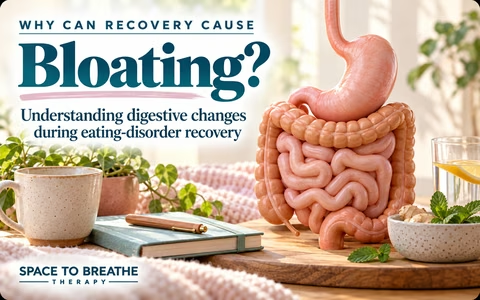
Why Can Recovery Cause Bloating?
Understanding digestive changes with compassion, without turning discomfort into another food rule.
Bloating can be physically uncomfortable and emotionally distressing. It is not a measure of recovery success, a reliable indication of body change or a reason to manage symptoms through restriction or compensatory behaviours.
When eating and digestion feel difficult
During recovery, the digestive system may be adapting to changes in eating patterns, nutritional intake, hydration, medication, stress and gut movement. Some people notice fullness, pressure, wind, constipation, reflux or nausea. Others experience little or no bloating. Both experiences are possible.
Three things to know
Discomfort deserves care. You do not have to dismiss it or push through severe symptoms.
Not every symptom is caused by recovery. New, persistent or worsening bloating may need medical assessment.
Restriction can make things harder. Changing or cutting out foods to control bloating may reinforce an eating disorder and compromise nutritional rehabilitation.
What can contribute?
When someone has been undernourished, gastric emptying and bowel movement can slow; these may improve as nourishment becomes more consistent, although timelines vary. Constipation, altered gut sensitivity, changes in meal patterns, swallowed air, reflux, medication effects and anxiety can also contribute. Purging behaviours and laxative misuse can disrupt gut function and fluid or electrolyte balance.
People recovering from binge eating or chaotic eating patterns may experience discomfort for different reasons, including variable intake, gastrointestinal conditions or heightened awareness of fullness. It is important not to assume a single explanation.
An interactive digestive journey
Choose an area to understand what it does and how symptoms may arise. This is a simplified explanation, not a diagnostic tool.
Why fullness may feel frightening
In an eating disorder, a normal or uncomfortable digestive sensation can become linked to fears about weight, shape, loss of control, nausea or vomiting. Sensory differences and interoceptive uncertainty may make the sensation especially intense or difficult to interpret.
That distress is real. It does not mean that checking, compensating or restricting will solve the underlying cause. Support can focus on managing the sensation and the fear together.
Different eating disorders, different experiences
Select a presentation to explore possible links. These are broad patterns, not assumptions about an individual. Someone can experience more than one condition or have unrelated gastrointestinal illness.
Myth or fact?
Choose an answer, then read the explanation. The purpose is understanding, not scoring yourself.
What might make this moment more manageable?
These ideas are optional and do not replace your treatment or meal plan. Choose what feels safe and appropriate for your medical circumstances.
Comfort is not compensation
Comfort strategies are intended to reduce distress, not burn energy, undo eating, suppress hunger or force a change in body shape. Avoid using exercise, vomiting, laxatives, fasting or unprescribed remedies to respond to bloating. If you are following a clinician's treatment plan, check before changing food, fluid or medication routines.
When symptoms need medical attention
Seek emergency help
Severe or sudden abdominal pain, a rigid or markedly swollen abdomen with significant pain, vomiting blood, black or bloody stools, fainting or collapse, chest pain, difficulty breathing, or inability to pass stool or wind alongside severe pain or vomiting require urgent assessment. In the UK, call 999 for an emergency.
Arrange prompt medical advice
Seek advice for persistent or worsening bloating, repeated vomiting, dehydration, ongoing constipation, severe reflux, significant pain, unexplained changes in bowel habits or symptoms that interfere with eating and drinking. Call NHS 111 if urgent advice is needed.
People with significant restriction, rapid nutritional increases after prolonged undernourishment, purging, laxative misuse or insulin omission need appropriate medical monitoring. Refeeding syndrome is a potentially dangerous shift in fluids and electrolytes in at-risk people during nutritional rehabilitation; it cannot be assessed from bloating alone.
In T1DE/diabulimia, insulin omission can cause diabetic ketoacidosis. Abdominal pain, nausea or vomiting with high glucose or ketones, rapid breathing, fruity breath, drowsiness or confusion requires emergency diabetes guidance and urgent assessment.
For ARFID, allergies and swallowing difficulties
Do not try foods that are unsafe due to allergy, choking risk, swallowing difficulty or individual medical restrictions. New swallowing problems, repeated choking, food sticking or suspected aspiration require medical assessment. A clinician or dietitian can help distinguish sensory discomfort from a medical problem.
This guide cannot tell whether bloating is harmless or diagnose its cause.
My recovery comfort & support plan
Use only the parts that are helpful. Avoid turning these reflections into body checking or repeated symptom monitoring.
A message from Maggie
Bloating can be one of those experiences that makes recovery feel especially difficult. When your body feels unfamiliar or uncomfortable, it can be tempting to believe you have done something wrong by eating. You have not. You deserve to be listened to, to have symptoms taken seriously and to receive the right support for your individual circumstances.
Recovery is not about proving you can tolerate everything without help. It is about finding a safer, kinder way forward, with care that considers both your physical wellbeing and how you feel.
Maggie · Space to Breathe Therapy
My Recovery Comfort & Support Plan
Why Can Recovery Cause Bloating? · Space to Breathe Therapy
Educational support only. Seek individual medical, dietetic and eating-disorder advice.




