





For your reflection
SPACE TO BREATHE THERAPYEating Disorder Support Hub
An illustrated interactive support book
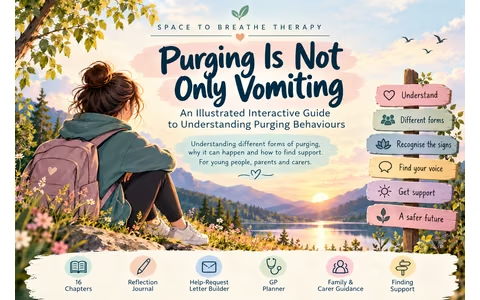
Purging Is Not Only Vomiting
Understanding behaviours, recognising risks and finding a way towards support.
For people experiencing eating disorders, young people, parents, carers and loved ones.
Important disclaimer — read before entering
This book is an educational support resource. It does not diagnose eating disorders or replace professional assessment, medical treatment, a crisis plan or specialist eating-disorder care.
Purging can include self-induced vomiting or misuse of laxatives or diuretics. Restriction and compulsive exercise may be harmful compensatory behaviours, although not all are classified medically as purging. Deliberate insulin restriction in type 1 diabetes is especially dangerous.
These experiences may occur at any body size and alongside different eating disorders. You may skip any chapter, stop reading or ask someone safe to read with you. Nothing here gives instructions for harmful behaviours.
Seek prompt GP or specialist advice if purging or compensatory behaviours are occurring, even if you feel physically well. Under-18s should involve a safe, trusted adult or healthcare professional. If home is unsafe, approach a GP, teacher or safeguarding professional.
Medical safety
Purging can cause electrolyte disturbances, dehydration and heart complications. For collapse, chest pain, seizures, severe confusion or other medical emergencies call 999 in the UK. For urgent non-emergency NHS advice use 111 where available. Insulin omission in type 1 diabetes requires urgent diabetes-team advice.
0 of 16 chapters visited
Reading progress is not a measure of recovery.
Choose any chapter
My Support Tools
These optional tools provide space for thoughts and help prepare conversations with professionals.
Your entries are saved only to this browser, not to a clinical record. They are not encrypted or password protected and could be seen by others using this device. Use a trusted device and download anything you need to keep.
For Family & Loved Ones
Listen without blame
Purging and compensatory behaviours may be hidden because of fear, guilt or shame. Respond calmly and thank the person for being open. Avoid comments about their weight, appearance or willpower. Try: “I’m glad you told me. I’m concerned about your health and would like to help you get support.”
Take physical risk seriously
Someone can have serious medical complications while appearing well. Support them to obtain GP or specialist advice promptly, and seek emergency attention for red-flag symptoms. Do not improvise medical or feeding plans when risk is present.
Different behaviours need different care
Vomiting, medication misuse, excessive exercise, restriction and insulin omission have different risks. Other feeding disorders, including ARFID and rumination-regurgitation disorder, must not automatically be described as purging. Appropriate assessment matters.
Support the whole person
Consider sensory needs, autism, ADHD, anxiety, trauma, communication preferences, school or work, and family circumstances. You can help arrange appointments, prepare notes and create an environment where the person can communicate without fear.
Support for supporters
Parents, carers and partners may also need professional guidance, peer support and time to care for their own wellbeing. You do not have to become the entire treatment team.
Finding Appropriate Help
Medical assessment
Contact a GP or specialist eating-disorder service promptly about purging or compensatory behaviours. Be open about symptoms and medication or insulin concerns. The GP planner can help prepare for an appointment.
Urgent symptoms
Call 999 for a medical emergency, or use NHS 111 for urgent advice where available. If you have type 1 diabetes and have omitted insulin, contact your diabetes team urgently and seek emergency care if unwell or concerned about ketoacidosis.
Beat Eating Disorders
Information and support for individuals and families: Beat's website ↗.
Space to Breathe Therapy
Additional therapeutic and educational support: Visit Space to Breathe Therapy ↗. It is not a replacement for emergency or specialist medical care.

A-Z Mental Health
Health Support Directory
Practitioners & Contributors Directory
Depression & Emotional Distress
Substance Misuse & Addiction
Understanding Grief
Neurodiversity
LGBTQ+
Physical Health & Body Awareness
Food Nutrition & Mental Health
Disability in the Workplace & Career Support
Inspirational Content
Fun & Interactive
Video and Audio
Men’s Mental Health
Trauma
Eating Disorders
Courses and Learning Hub
Social Media
Product Advertisements
Legal and Rights Information