





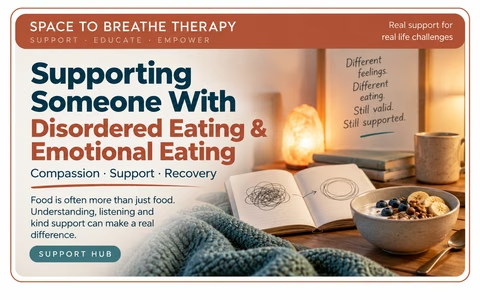
Supporting Someone with Disordered Eating & Emotional Eating
Compassion • Support • Recovery
Food can become tangled with feelings for many different reasons. Emotional eating is not automatically an eating disorder, and disordered eating does not always fit neatly into a diagnosis—but distress around food still deserves understanding and support.
This guide looks beneath the behaviour rather than reducing eating to willpower.
Inside:
• emotional eating and disordered eating
• stress, anxiety, depression, grief and trauma
• eating more and losing appetite
• restriction–overeating cycles
• guilt, shame and “starting again tomorrow”
• food noise and preoccupation
• neurodivergence and executive functioning
• loneliness, boredom and overwhelm
• body and food language
• supporting without policing
• a gentle pattern tracker
• widening coping strategies
• when professional help is appropriate
• medical warning signs
• questions for appointments
• books and UK support
The aim is not to judge the food. It is to understand the person, reduce shame and help them find safer, broader ways of meeting their needs.
Space to Breathe Therapy • Support Hub




