

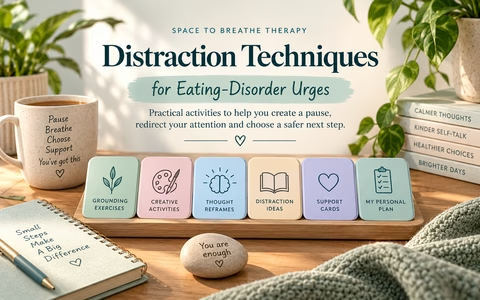
Distraction Techniques for Eating-Disorder Urges
An interactive studio for managing difficult moments
Eating-disorder urges can feel urgent, repetitive and difficult to resist. You may experience an urge to restrict, binge eat, purge, check your body, exercise compulsively or follow rigid food rules.
Others may experience intense anxiety around food, sensory overload or fear of eating. These experiences are not all the same, and different forms of support may be needed.
This studio offers practical activities to help you create a pause, reconnect with the present and choose a safer next step.
Understanding Eating-Disorder Urges
An urge is a strong impulse to do something. In eating disorders, urges may be connected to anxiety, shame, hunger, distress, habit, compulsions, sensory experiences or attempts to regain a sense of control.
Urges are not instructions. Experiencing an urge does not mean you have to act on it, and needing support does not mean you have failed.
Restriction Urges
A person may feel driven to skip food, reduce intake or follow increasingly strict rules. Distraction should support following an agreed nourishment plan, never postponing necessary eating.
Binge-Eating Urges
Urges may be influenced by inadequate nourishment, emotional distress or learned patterns. Support should avoid shame and additional restriction. Hunger and nutritional needs must still be respected.
Purging Urges
Distress after eating may lead to urges to vomit or use other compensatory behaviours. These can cause serious medical harm. A supportive activity may help while following a clinical safety plan.
Compulsive Exercise
Someone may feel unable to rest or feel compelled to move to compensate for eating. A seated activity, connection or agreed rest plan may be more appropriate than another physical activity.
Body Checking
Repeated checking of mirrors, photographs, clothing or body measurements can reinforce appearance-related distress. Redirecting attention may help interrupt the pattern.
ARFID and Food Anxiety
Fear of choking or vomiting, sensory discomfort or limited interest in food may make eating difficult. Calming support must be adapted to the person's needs and should not replace medical or nutritional care.
Urges often rise and change over time. A supportive activity may help someone tolerate the feeling without immediately acting on a harmful behaviour.
There is no guarantee that an urge will disappear quickly, and there is no requirement to wait a particular amount of time before asking for help.
Do not use distraction to delay food, suppress hunger, avoid necessary insulin, ignore swallowing problems or replace emergency care. If you are physically unwell or at risk of dangerous behaviour, contact your healthcare team or seek urgent help.
My Interactive Urge Explorer
Choose the experience that feels most relevant. You do not need to explain everything or complete every activity.
Notice what may be happening
Different urges may have different triggers. You can reflect without judging yourself.
“What would support my wellbeing and recovery in this moment, rather than simply making the urge feel quieter?”
My Interactive Distraction Studio
Choose an activity. There are no scores to achieve and no time limits. You can change activities whenever you wish.
Choose an activity to begin
Try a grounding exercise, create a pattern, explore words or write a supportive message.
Some urges require direct support, nourishment, medical assessment or specialist treatment. If a distraction is not helping, that does not mean you have done anything wrong.
My Eating-Disorder Urge Support Cards
These cards offer reminders for difficult moments. You can print them or discuss them with someone supporting your recovery.
My Personal Urge Support Plan
Use this space to identify what helps you respond safely when urges become difficult.
My Urge Support Plan
Personal reflection resource. Not a replacement for professional treatment.
spacetobreathetherapy.co.uk
When Additional Support Is Needed
Distraction techniques may be useful alongside treatment, but they do not replace assessment or care for an eating disorder.
Seek professional support if urges are increasing, eating is becoming more restricted, purging is occurring, physical health is deteriorating or daily life is being significantly affected.
For people with type 1 diabetes, restricting or omitting insulin can cause life-threatening diabetic ketoacidosis. Follow the diabetes team's guidance and seek emergency help if symptoms of ketoacidosis occur.
For pica, suspected ingestion of harmful non-food substances requires medical advice. Recurrent regurgitation should be assessed rather than assumed to be deliberate purging.
UK support: NHS, Beat Eating Disorders, your GP and your specialist eating-disorder team.
You do not have to manage dangerous urges alone. Asking for support is a meaningful recovery action.
Your reflections are stored locally in this browser where available and are not submitted to Space to Breathe Therapy. Avoid entering sensitive details on shared devices.