





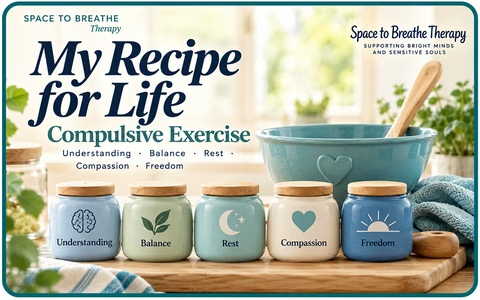
My Recipe for Life
Understanding · Balance · Rest · Compassion · Freedom
Everyone's recovery recipe is different. This interactive activity helps you explore what may support you when exercise feels compulsory, rest brings guilt, or movement becomes connected to eating-disorder rules.
You can choose your ingredients, reflect on what they mean to you, and create your own personalised recovery recipe.
Understanding compulsive exercise
Compulsive exercise is not simply exercising frequently. It involves feeling driven to exercise, sometimes despite illness, injury, exhaustion or a wish to stop.
It can involve rigid rules, distress when unable to exercise, or using movement to compensate for eating, manage anxiety or influence body shape and weight.
Someone may feel they have to earn rest, food or a sense of being good enough. Exercise may stop feeling like a choice and become something they feel unable to resist.
Compulsive exercise can occur alongside different eating disorders and can also affect people who do not have a diagnosed eating disorder.
Recovery is not about proving that you can exercise in a more balanced way. For some people, medically advised rest or stopping exercise is an essential part of recovery.
Step 1 — Choose Your Ingredients
Select the ingredients you would like to add to your personal recovery bowl. You can choose one, several or all five.
0 of 5 ingredients added
Step 2 — Make It Your Own
Each ingredient can mean something different to different people. Explore these questions in your own way. You can leave any question blank.
Step 3 — My Personal Recipe
You can add your own ingredients too. There is no perfect recipe, and nothing has to be completed in a particular order.
My Recovery Recipe
My Recipe for Life — Compulsive Exercise
My chosen ingredients
Understanding
Balance
Rest
Compassion
Freedom
My extra ingredients
My next gentle step
My reminder
This is a personal reflection activity, not a treatment plan or a recommendation to exercise.
Recovery and professional support
Compulsive exercise can place significant strain on physical and emotional health, particularly when combined with restrictive eating or inadequate nutrition.
Possible warning signs include exercising despite pain, injury or illness; intense anxiety or guilt when unable to exercise; rigid exercise targets; and feeling compelled to compensate for eating.
Exercise may need to be paused during eating-disorder treatment. Decisions about returning to movement should be guided by an appropriately qualified healthcare professional who understands eating disorders and the person's medical circumstances.
If you are experiencing compulsive exercise, speak with your GP or eating-disorder treatment team. If you have fainting, chest pain, severe weakness or other concerning physical symptoms, seek urgent medical assessment. Call 999 for a life-threatening emergency.
Recovery can involve learning that rest, nourishment and care do not need to be earned.
Your reflections are saved locally in this browser on this device where storage is available. They are not submitted to Space to Breathe Therapy by this activity. Browser data can be cleared, so download a copy if you wish to keep it. Avoid entering sensitive personal information on shared devices.




