





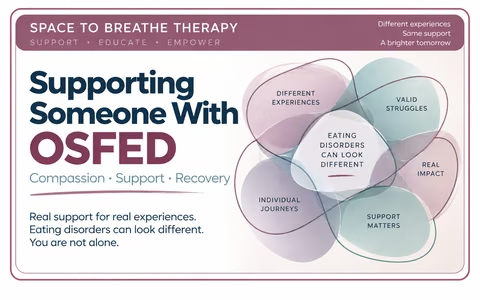
Supporting Someone with OSFED
Compassion • Support • Recovery
OSFED stands for Other Specified Feeding or Eating Disorder. It describes clinically significant eating-disorder difficulties that do not meet every criterion for another specific feeding or eating disorder.
OSFED is not a “less serious” diagnosis.
Someone may be restricting, bingeing, purging, exercising compulsively, struggling with body image or experiencing a mixture of symptoms. They can be medically and psychologically unwell at any body size.
This Support Hub guide is for partners, parents, families, friends and carers who want to understand OSFED without comparing the person with stereotypes of other eating disorders.
Inside:
• what OSFED means
• examples of presentations that can sit within OSFED
• why atypical does not mean insignificant
• warning signs
• language that helps rather than shames
• meal support without policing
• restriction, bingeing, purging and mixed symptoms
• depression, anxiety, trauma, grief and neurodivergence
• supporter reflection tools
• physical and medical risks
• urgent warning signs
• treatment and questions for appointments
• further reading and UK support
The diagnosis may look different. The distress, risk and need for compassion are still real.
Space to Breathe Therapy • Support Hub