



Movement, Exercise and Respecting the Body

Download

Movement, Exercise and Respecting the Body

There are times when the way we see our body can become much harsher than the way other people see us. Eating-disorder thoughts can make appearance, weight, shape or control feel as though they say something important about our worth - but they do not.

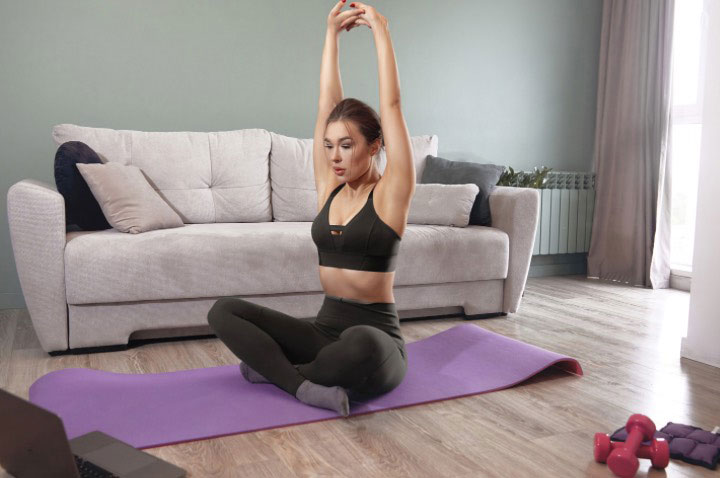
In this gentle resource, I explore movement can support wellbeing, but it can also become rigid, compensatory or driven by fear. The important question is not how exercise looks from the outside, but what function it serves and whether the body is medically safe to move. You will find clear explanations, compassionate prompts and small practical steps to help you notice what is happening without automatically following the eating-disorder voice.

I have included this in the Support Hub because body image is rarely “just vanity”. It can be connected to anxiety, shame, identity, sensory experiences, past comments, comparison, perfectionism and the need to feel safe or in control. You do not have to force yourself into body positivity. Sometimes body neutrality - treating your body with respect even when your feelings are difficult - is a much kinder and more realistic place to begin.

Please use this guide alongside professional support. Eating disorders can affect anyone at any body size and can have serious physical effects. If you are worried about your eating, compensatory behaviours or health, contact your GP or eating-disorder team. If you are in immediate danger, call 999 or go to A&E.

Take your time with this resource. Pause when you need to, return to the parts that feel helpful, and remember: Your body is not a project to exhaust. Rest and nourishment are forms of care.

Until next time, give yourself space to breathe.

Maggie
Space to Breathe Therapy