





Bust a Myth Around Food: “You Can Tell If Someone Has an Eating Disorder by Looking at Them”
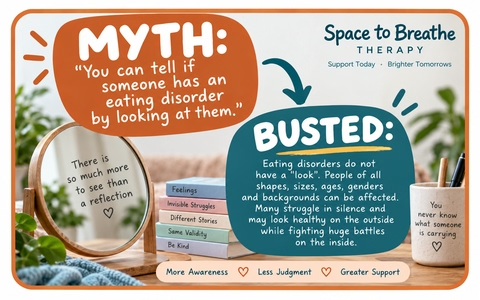
Eating disorders do not have a look.
A person can appear physically well and still be experiencing severe restriction, bingeing, purging, compulsive exercise, food noise, fear, shame or distress around eating. People of different body sizes, ages, genders and backgrounds can experience eating disorders and disordered eating.
The story underneath can also be very different from person to person. Food difficulties may involve body image, but they can also be connected with depression, anxiety, grief, trauma, ARFID, sensory processing, autism, ADHD, fear of choking or vomiting, physical illness, pain, appetite changes, stress, control or major life changes.
Rather than deciding how somebody is doing by looking at their body, notice changes in behaviour and listen to what they tell you.
Message from Maggie
Please do not wait for somebody to “look ill enough” before believing them. People can carry enormous battles quietly. If somebody tells you food is difficult, listen to their experience rather than comparing it with their appearance. Support should begin with being heard.
Space to Breathe Therapy




