





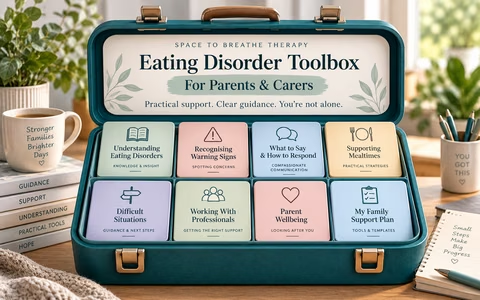
Eating Disorder Toolbox
For Parents & Carers
Practical support for families navigating eating disorders, ARFID and other feeding or eating difficulties in children and young people.
Different eating disorders need different approaches. This toolbox helps you recognise concerns, communicate with compassion, work alongside professionals and develop a plan that reflects your child's individual needs.
Understanding Different Eating Disorders
Eating disorders are serious conditions that can affect physical health, emotional wellbeing, development, relationships and family life. They are not always visible and cannot be identified by body size alone.
Select a condition to explore what parents may notice and what support may involve.
These descriptions are educational, not diagnostic. A child may experience overlapping symptoms or difficulties that do not fit neatly into one category. Assessment should consider medical, developmental, sensory and psychological needs.
Recognising Warning Signs
Changes in eating behaviour, mood or physical health can develop gradually. A child does not need to appear underweight to be medically unwell.
Eating and Food
Increasing restriction, skipped meals, distress around food, rapidly narrowing food variety, secretive eating, binge episodes or rituals that interfere with eating.
Emotions and Behaviour
Intense guilt, fear, withdrawal, distress after meals, compulsive exercise, persistent appearance concerns or increasing avoidance of social eating.
Physical Health
Dizziness, fainting, weakness, dehydration, feeling unusually cold, constipation, poor growth, fatigue or changes in concentration.
Purging and Compensation
Vomiting, misuse of medicines, fasting or exercise intended to compensate for eating can cause serious harm, including electrolyte and heart complications.
ARFID and Feeding Difficulties
Very limited intake or variety, anxiety about choking or vomiting, sensory distress, reliance on a small range of foods or increasing nutritional difficulties.
Diabetes and Insulin Restriction
For a child with type 1 diabetes, suspected insulin omission or restriction requires urgent specialist diabetes assessment because of the risk of diabetic ketoacidosis.
Seek urgent medical assessment for fainting, significant dehydration, rapid deterioration, serious weakness, concerning heart symptoms or inability to maintain intake. Call 999 for collapse, unconsciousness, severe confusion, difficulty breathing or other immediate emergencies.
If a child with type 1 diabetes has symptoms suggesting diabetic ketoacidosis, such as vomiting, abdominal pain, rapid breathing or drowsiness, seek emergency medical help.
What to Say When Things Feel Difficult
Parents may feel frightened, frustrated or unsure how to respond. The aim is to acknowledge distress while maintaining necessary safety and treatment support.
Choose a situation
Use clear, calm language. Avoid blame, appearance-based reassurance, weight comparisons or moral labels about food. Listen for sensory discomfort, fear and communication differences.
Validation does not mean agreeing with eating-disorder beliefs or abandoning medically necessary support.
Supporting Mealtimes
Mealtime support must reflect the child's diagnosis, medical condition and agreed treatment plan. The same strategy will not suit every eating disorder.
Restrictive Eating Disorders
Children with anorexia or atypical anorexia may need structured nutritional rehabilitation and active parental support under a specialist treatment plan. Avoid improvising changes to prescribed meal support.
ARFID
Consider sensory tolerances, predictable routines, safe foods and anxiety triggers. A specialist plan may address nutritional needs and gradually expand tolerance without coercion.
Binge Eating
Respond without shame or punishment. Avoid compensatory restriction, body comments and making the child feel watched or judged.
Purging Behaviours
Work with the treatment team on post-meal support and medical monitoring. Avoid confrontation or surveillance strategies that have not been agreed with clinicians.
Rumination-Regurgitation
Recurrent regurgitation needs medical assessment to identify the cause and appropriate treatment. It should not automatically be assumed to be deliberate purging.
Pica
Eating non-food substances requires assessment for toxicity, obstruction, nutritional deficiencies and developmental or sensory needs. Safety planning is important.
Consider what is predictable, what increases distress, how your child communicates, and what the clinical team has recommended. A calm environment can help, but it does not replace nutritional or medical treatment.
Responding to Difficult Situations
Some behaviours require an immediate safety response. Others need understanding, communication adjustments or review of the treatment plan.
If there are serious physical symptoms, suspected poisoning, choking, diabetic ketoacidosis or collapse, seek emergency help. For less immediate but significant deterioration, contact the child's GP, specialist team or NHS 111 promptly.
Working With Professionals
Parents and carers can provide valuable information about changes in eating, development, communication, physical symptoms and daily functioning.
GP and Physical Health
Discuss symptoms, growth, hydration, nutritional concerns, purging behaviours and whether urgent medical assessment is needed.
Specialist Eating Disorder Team
Ask about diagnosis, treatment options, meal support, family involvement and how progress and physical safety will be monitored.
Dietetic Support
Appropriately qualified professionals can help address nutritional adequacy, food restrictions and individual dietary needs.
Diabetes Team
For T1DE, coordinated diabetes and eating-disorder care is essential. Insulin changes must be managed by the diabetes team.
School and Education
Discuss meal arrangements, communication, sensory adjustments, attendance, bullying and safeguarding needs.
Neurodevelopmental Support
Ask for reasonable adjustments where autism, ADHD, learning differences or communication needs affect assessment and treatment.
Who is coordinating care? What symptoms require urgent action? What should happen if eating deteriorates? How will medical safety be monitored? What is the family's role? How will the plan account for sensory and communication needs?
Looking After Yourself as a Parent
Supporting a child with an eating disorder can be emotionally and physically demanding. Fear, exhaustion, grief, anger and uncertainty can exist alongside love and commitment.
Your wellbeing matters too. Seeking support for yourself does not mean you are withdrawing support from your child.
Share Responsibility
Where possible, agree who handles appointments, meals, communication with school and other practical responsibilities.
Ask for Clear Guidance
Uncertainty can increase distress. Ask the treatment team for written guidance and emergency contact information.
Make Space for Rest
Short breaks, support from another trusted adult and manageable routines may help prevent exhaustion.
Seek Your Own Support
Consider parent support groups, counselling or conversations with professionals familiar with eating disorders.
Parent check-in
My Family Support Plan
Use this page to bring together the most useful information. It can support discussions with your child's care team but should not replace their clinical treatment plan.
My Family Eating Disorder Support Plan
For personal reflection and discussion with professionals. Not a replacement for a medical or treatment plan.
spacetobreathetherapy.co.uk
Further Support
Eating disorders can be serious at any weight. Early professional assessment is important, particularly for children and young people whose growth, nutrition or physical health may be affected.
NHS: Information about eating disorders and accessing medical care.
Beat Eating Disorders: UK information and support for individuals and families.
GP or specialist team: Contact them if symptoms are emerging, worsening or interfering with daily life.
You do not need to be a specialist to be an important part of your child's support. Your observations, consistency and willingness to seek help matter.
Reflections are saved locally in this browser where available, not submitted to Space to Breathe Therapy. Avoid entering sensitive information on shared devices.




