





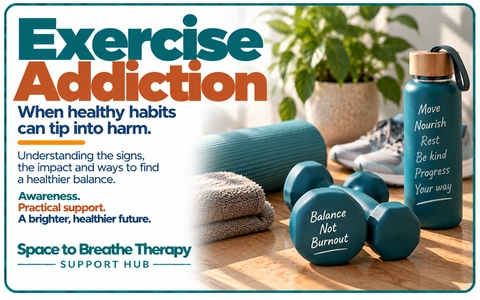
Exercise Addiction
When healthy habits can tip into harm
Exercise can support our physical and mental health, but for some people movement gradually becomes rigid, driven and difficult to miss. This standalone guide explores the point where exercise stops feeling flexible and begins to cause harm.
Inside the full three-page PDF you will find:
• what people mean by exercise addiction
• why it is not currently a standalone formal diagnosis
• flexible movement compared with compulsive movement
• warning signs
• the relationship between compulsive exercise and eating disorders
• recovery, injury and RED-S
• when medical assessment is important
• the trigger-rule-exercise-consequence cycle
• what an unplanned rest day can reveal
• a flexibility experiment
• exercise as emotional and neurodivergent regulation
• why rest is part of training
• a one-week balance tracker without calorie counting
• body image, fitness culture and tracking pressure
• treatment and recovery approaches
• UK support routes
• guidance for loved ones
• a book recommendation
• a personal message from Maggie
• clinical notes and source framework
The aim is not to make movement the enemy. It is to help somebody move from “I have to exercise” back towards “I choose to move,” while making room for nourishment, recovery, relationships and the body's own signals.
Space to Breathe Therapy | Support Hub




