





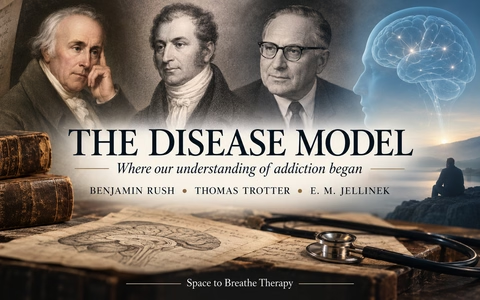
THE DISEASE MODEL - WHERE OUR UNDERSTANDING OF ADDICTION BEGAN
Benjamin Rush • Thomas Trotter • E. M. Jellinek
For a long time, problematic drinking was often viewed mainly through morality, character and self-control. The disease model helped change that conversation by asking whether persistent, harmful substance use could be understood as a health condition requiring treatment rather than simply punishment or blame.
This resource explores the early work associated with Benjamin Rush and Thomas Trotter before moving into E. M. Jellinek's influential twentieth-century disease concept of alcoholism. It looks at what these ideas changed, what Jellinek actually proposed, and why the history is more nuanced than the simple statement that “addiction is a disease”.
The guide then brings the discussion into the present day. Modern addiction science recognises the importance of brain function and behaviour while also examining genetics, learning, trauma, mental health, relationships, environment and social circumstances. The disease model can reduce shame and support access to treatment, but no single model can explain every person's experience.
Inside the guide:
• Benjamin Rush and the early medical understanding of habitual drunkenness
• Thomas Trotter's 1804 medical writing on drunkenness
• E. M. Jellinek and The Disease Concept of Alcoholism
• Jellinek's alpha, beta, gamma, delta and epsilon classifications
• what the modern medical model of addiction means
• strengths and limitations of the disease model
• the biopsychosocial approach
• an anonymous personal perspective
• reflective questions
• recovery pathways and treatment considerations
• books, historical sources and modern evidence
• a message from Maggie
This resource is designed to encourage understanding without removing responsibility. Addiction can involve real biological and behavioural changes, while each person's substance use also exists within a wider life story.
Educational information only. It is not a diagnosis or a substitute for medical care. Alcohol and some drug withdrawals can be medically dangerous; anyone who may be physically dependent should seek appropriate medical advice before abruptly stopping.
Space to Breathe Therapy




