





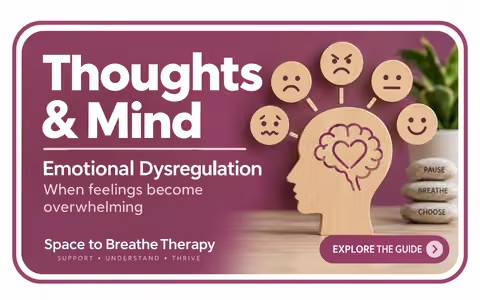
THOUGHTS & MIND: EMOTIONAL DYSREGULATION
When feelings become overwhelming, it can be difficult to understand what is happening in the moment. This interactive Thoughts & Mind guide explores emotional dysregulation as a nervous-system and regulation difficulty rather than a personal failing.
Inside the guide, readers will find:
• A clear explanation of emotional dysregulation and how it can feel.
• Common triggers, including stress, conflict, sensory overload, lack of sleep, illness, trauma reminders and accumulated demands.
• Guidance for recognising the body's early warning signs.
• An interactive trigger and body-signal map.
• A practical regulation toolkit covering sensory changes, movement, grounding, breathing, predictability, co-regulation and recovery time.
• Alternatives for people who do not find breathing exercises helpful.
• Guidance on when additional professional or urgent support may be appropriate.
• A four-stage interactive regulation plan: before, during, after and support.
• A personal message from Maggie, plus further reading and clinical sources.
The PDF contains fillable reflection boxes so readers can personalise their own regulation plan in a compatible PDF viewer.
Space to Breathe Therapy | Thoughts & Mind




