





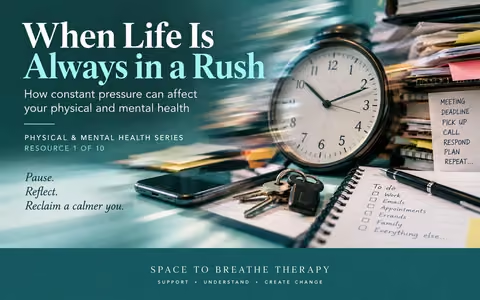
WHEN LIFE IS ALWAYS IN A RUSH
How constant pressure can affect your physical and mental health
Rushing can become so normal that we stop noticing we are doing it. There is always somewhere to be, something to finish, somebody waiting or another task already competing for our attention. We may tell ourselves that we are simply busy, productive or keeping everything going — while our body is experiencing something very different.
This guide explores what can happen physically and emotionally when life rarely seems to slow down.
Inside, you will learn how repeated pressure can activate the body’s stress response and how adrenaline, cortisol and the nervous system can influence heart rate, breathing, muscle tension, headaches, digestion, sleep, energy and concentration.
The guide also looks at the emotional cost of living at speed. Racing thoughts, irritability, forgetfulness, anxiety, feeling permanently behind and struggling to experience a sense of completion can all become part of the rush cycle.
Rather than simply telling you to “slow down”, this resource looks at practical ways of creating small periods of recovery inside real life. It explores transitions between tasks, reducing unnecessary multitasking, protecting basic physical needs, noticing urgency language and giving the body small signals that it no longer has to keep accelerating.
You will also find a My Rush & Recovery Check-In worksheet to help you notice your own patterns, including tension, breathing, food and fluids, recovery time, urgency thoughts and what your body may need next.
The guide includes information about when physical symptoms should be medically assessed, book recommendations, clinical sources and a personal message from Maggie.
Sometimes the first sign that life has become too fast is not a thought. It is the body asking us to notice.