





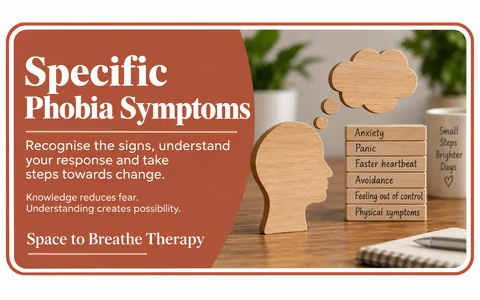
SPECIFIC PHOBIA SYMPTOMS
Recognise the signs, understand your response and take steps towards change
A specific phobia can create an intense physical and emotional response that may feel immediate and difficult to control. This detailed resource helps readers recognise what phobia symptoms can look and feel like, understand why they happen and identify the patterns that may keep fear going.
Inside the PDF, readers will find information about physical symptoms such as a racing heartbeat, shaking, dizziness, nausea and breathlessness; emotional symptoms including panic, dread and helplessness; catastrophic thoughts and predictions; avoidance; anticipatory anxiety; hypervigilance; panic-like reactions; reassurance and other safety behaviours.
The guide also explains why blood-injection-injury phobias can sometimes involve fainting, how avoidance can create short-term relief while maintaining fear, and how phobia symptoms can affect healthcare, work, education, relationships, travel and everyday choices.
A practical Symptom & Trigger Tracker helps readers identify:
• their trigger
• the first physical signs they notice
• thoughts and feared predictions
• fear intensity
• urges to escape
• avoidance, checking and reassurance
• the impact on daily life
• what greater freedom would look like
• one possible manageable next step
The final section covers evidence-based support, graded exposure, reducing safety behaviours, books, useful UK resources and clinical information. It also includes a personal message from Maggie about understanding the fear response without shame and taking change one manageable step at a time.
This resource is for education, reflection and supported self-help and does not replace individual medical or psychological assessment.
Space to Breathe Therapy
Until next time, give yourself space to breathe. - Maggie