




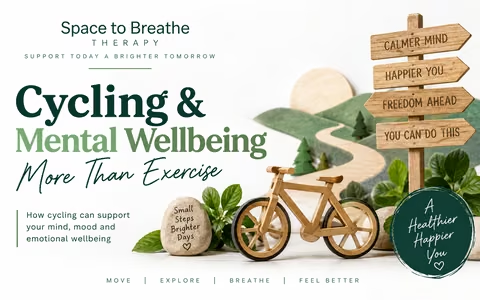
CYCLING & MENTAL WELLBEING — MORE THAN EXERCISE
Cycling can be exercise, transport, thinking space, sensory input, time outdoors and a way of reconnecting with movement. This fuller guide looks beyond distance, speed and fitness to explore what being on a bike can offer our mental as well as physical wellbeing.
Inside the guide, readers will find detailed information about physical activity and mood, the sensations of exercise, stress and nervous-system responses, cycling with ADHD or autism, sensory adaptations, motivation, recovery and the importance of keeping exercise flexible rather than driven by weight, calories or performance.
Accessibility is also an important part of this resource. The guide recognises physical and non-physical barriers to cycling and introduces e-bikes, adapted and recumbent cycles, chair/seated pedal exercisers and handcycling. It also looks ahead to dedicated resources on physical barriers, adaptive cycling, handcycling, chair cycling and the UK Cycle to Work scheme.
There is a full cycling-and-wellbeing worksheet to help readers notice mood, energy, stress, pain, sensory load and what the ride actually gave them, alongside practical reflection questions, safety considerations, health guidance and sources for further information.
The guide closes with an individual message from Maggie about allowing exercise to work with your body rather than becoming another pressure — and recognising that cycling does not have to mean one particular type of bike, distance or ability.
Space to Breathe Therapy