





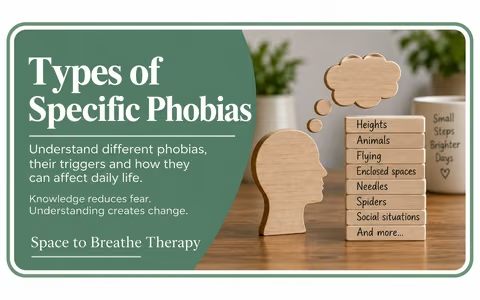
TYPES OF SPECIFIC PHOBIAS
Understand different phobias, their triggers and how they can affect daily life
Specific phobias can be much more than simply disliking or feeling uncomfortable around something. Fear can become intense enough to affect everyday decisions, relationships, healthcare, work, travel and the places a person feels able to go.
This detailed Space to Breathe Therapy resource explores the different types of specific phobias and helps readers understand why a fear can feel so powerful even when they know logically that the actual danger may be small.
INSIDE THE PDF
The guide explores the main categories of specific phobia, including animal phobias, natural-environment fears, blood-injection-injury phobias, situational phobias and other specific fears.
Readers can learn about:
• common physical and emotional responses to a phobia
• triggers and anticipatory anxiety
• why avoidance can keep fear going
• reassurance, checking and other safety behaviours
• the fear cycle
• how a phobia can gradually make everyday life smaller
• graded exposure and evidence-based treatment
• imaginal exposure
• blood-injection-injury phobia and fainting
• when professional support may be helpful
• what supportive exposure should — and should not — look like
The resource also contains a practical fear-mapping worksheet. This gives readers space to explore their own trigger, feared outcome, body sensations, avoidance patterns, safety behaviours, the areas of life affected by the phobia and a possible small next step.
The final section includes recommended books, useful UK resources, clinical information and sources, together with a personal message from Maggie about understanding fear without shame and making gradual changes that create greater freedom.
This resource is designed for education, reflection and supported self-help. Exposure should never involve deliberately placing yourself or another person in genuine danger.
Space to Breathe Therapy
Until next time, give yourself space to breathe. - Maggie




