





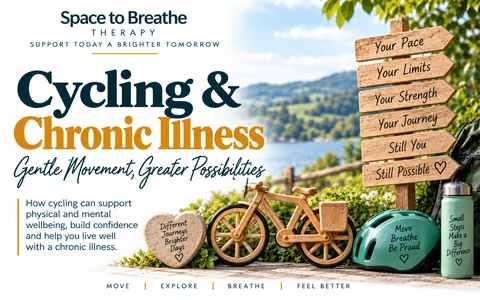
CYCLING & CHRONIC ILLNESS — GENTLE MOVEMENT, GREATER POSSIBILITIES
Living with chronic illness can change energy, pain, mobility, concentration and the predictability of everyday life. This guide explores how cycling can be adapted around the body you have today rather than becoming another instruction to push through symptoms.
The tightly packed guide covers pacing, fatigue, post-activity effects, pain, dizziness and breathlessness, medication considerations, temperature, food and hydration, confidence after illness and the emotional impact of losing previous ability.
Accessibility is central, with e-bikes, recumbent cycles, tricycles, handcycles, adaptive cycling, indoor bikes and chair/seated pedalling all included. Practical barriers such as cost, storage, accessible routes and needing support are also recognised.
A symptom-aware cycling planner helps readers consider today's energy and symptoms, the rest of the day's demands, adaptations, stopping cues and recovery. Importantly, it encourages checking delayed effects later that day and the following day rather than judging a ride only by how it feels immediately afterwards.
The guide includes cautious safety information and evidence sources, including specific recognition that generic graded increases in exercise may be inappropriate where post-exertional symptom exacerbation is present.
It finishes with an individual message from Maggie about not using cycling as another place to push through illness, making room for grief when ability changes, and recognising that doing something differently does not mean possibility has disappeared.
Space to Breathe Therapy




