





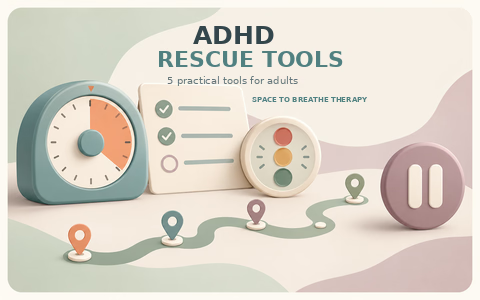
ADHD RESCUE TOOLS
Small strategies for time, focus, feelings and planning
Space to Breathe Therapy
ADHD can make it harder to judge how long a task will take, get started, hold attention, organise several steps or shift gears. A practical tool can add a reminder or structure outside your head, make a task feel more manageable, or give you a moment to notice what you need. Different approaches work for different people, and what helps can change with the day.
FIVE IDEAS TO TRY
1. Time and starting
Use a calendar, visible list or reminder to make the task easier to find again. Estimate how long it may take, set a timer if that suits you, and write down one small first action. You might ask, “What is the next action I can see?” A timer is a prompt, not a measure of your worth or effort.
2. Attention and focus
Pick one task that feels possible. Some people find it easier to begin with the most interesting or manageable part. If another task pops into mind, jot it on a “later” list and return to your chosen step. Reduce interruptions where you can, and plan breaks in a way that fits your body and day.
3. Check in with feelings
Mood, stress, energy and surroundings can affect how easy it feels to begin or continue. Pause to notice what is happening and what might help: a familiar calming activity, movement, music, quiet, water, or support from someone you trust. There is no single best soother; choose what feels accessible and appropriate for you.
4. Plan and reflect
Name the goal, the next step and a barrier that might get in the way, such as decision overload, a noisy environment or not knowing where to begin. Choose a cue or support that could make the step easier. At the end, notice what helped and adjust the plan. A change of plan is information, not failure.
5. Pause and acknowledge
Try STOP as a brief reminder: Stop, Take a breath, Observe, Proceed. You could also replace a harsh description such as “I am self-sabotaging” with a more useful question: “This has become difficult; what is one supportive next step?” Remember a strength or success, or ask someone to help you restart.
HOW TO USE THE GUIDE
Choose one prompt rather than trying to use every tool at once. If you feel stuck, name what feels hard, choose one support (such as a reminder, a smaller step, a pause or another person), and begin gently. Review what happened and adapt. Change the wording, timing or environment to suit your needs. Keep the strategies that are useful and leave the others. The guide offers general practical ideas; it does not diagnose ADHD or replace care from a qualified professional. If ADHD is affecting daily life, a GP or ADHD service can discuss assessment, support and treatment options.




