





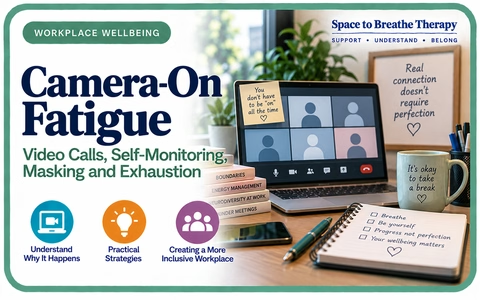
CAMERA-ON FATIGUE
Video Calls, Self-Monitoring, Masking and Exhaustion
Video calls can make work more accessible — but being visible on screen can also become another job on top of the meeting itself.
This Workplace Wellbeing resource explores why camera-on meetings can be surprisingly exhausting.
The three-page downloadable guide looks at self-monitoring, masking, eye-contact expectations, facial expression, social anxiety, ADHD, autism, screen fatigue and the unusual experience of watching our own face while trying to listen to everybody else.
It also challenges the assumption that camera off automatically means disengaged.
For some people, reducing visual input, looking away, moving or hiding self-view can actually improve concentration. Practical ideas include camera flexibility, hiding self-view, reducing gallery-view overload, building in movement and breaks, and being clearer about when visual participation genuinely adds value.
The guide also asks managers to consider cumulative load. One video call and six back-to-back camera-on meetings are very different demands.
Sometimes seeing each other matters. Sometimes allowing somebody to switch their camera off is what helps them listen properly.
Real connection does not require perfect performance.
Space to Breathe Therapy
Support • Understand • Belong




