





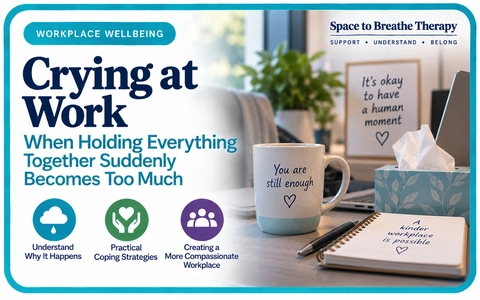
CRYING AT WORK
When Holding Everything Together Suddenly Becomes Too Much
Crying at work can feel exposing, embarrassing and frightening — particularly when you are usually the person who appears to cope.
But tears do not tell us whether somebody is competent. They can appear through grief, anxiety, exhaustion, frustration, sensory overload, conflict, masking or simply because too many demands have accumulated without enough recovery.
This Workplace Wellbeing resource looks beneath the moment somebody begins to cry.
The three-page downloadable guide explores why a seemingly small event can become the final thing, neurodivergent overwhelm, what can help in the moment, how colleagues and managers can respond without increasing embarrassment, and the kinds of well-intended comments that can accidentally make someone feel worse.
It also looks at what happens after the tears. Sometimes crying is simply a human moment. At other times, repeated tears may be useful information about workload, relationships, bullying, masking, burnout, sensory demands or a need for additional support or workplace adjustments.
The resource includes a gentle check-in to help people ask not simply, “Why did I cry?” but:
“What had I been holding together for so long?”
Space to Breathe Therapy
Support • Understand • Belong




