





If Asking for Support Feels Difficult - A gentle, practical worksheet for navigating the challenges of asking for workplace support
Asking for support at work isn’t always straightforward. Even when you recognise that something needs to change, finding the words, approaching the right person or explaining what would help can feel overwhelming.
You might worry about being misunderstood, judged or perceived differently. Previous experiences, communication differences, anxiety, fatigue or uncertainty about workplace procedures can also make asking for support more difficult.
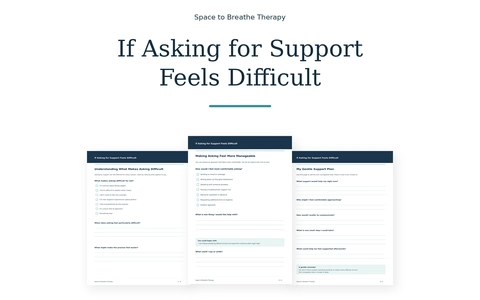
This three-page PDF worksheet provides a gentle, structured space to recognise these challenges, consider what might make the process easier and identify one manageable step towards getting the support you need.
Rather than providing lengthy explanations or expecting you to resolve everything immediately, the worksheet focuses on simple questions, practical choices and personal reflection.
What’s included?
1. Understanding What Makes Asking Difficult
Begin by recognising the thoughts, feelings and experiences that may make requesting support challenging.
Use a simple tick-box activity to identify common barriers, such as worrying about judgement, struggling to explain your needs, feeling like a burden or having previous negative experiences.
Additional reflection questions encourage you to consider when asking feels particularly difficult and what might help make the process feel more manageable.
2. Making Asking Feel More Manageable
Consider different ways of approaching a conversation about workplace support.
You might prefer to communicate in writing, prepare notes beforehand, request a private conversation, involve a trusted supporter or allow yourself additional time to process information.
Through practical questions, identify one thing you would like help with and prepare a short message or opening sentence in your own words.
The focus is on finding an approach that works for you rather than expecting yourself to communicate in a particular way.
3. My Gentle Support Plan
Bring your reflections together into a simple, personalised plan.
Use the guided writing spaces to consider:
- What support would help you right now.
- Who you might feel comfortable approaching.
- How you would prefer to communicate.
- One small step you could take.
- What might help you feel supported afterwards.
This final page can also be used independently whenever you need a little structure before asking for help.
Who is this worksheet for?
This worksheet may be particularly helpful for disabled and neurodivergent employees, people experiencing workplace anxiety or overwhelm, and anyone who finds it difficult to communicate their needs.
It may also support people who have experienced dismissive responses, feel uncertain about requesting adjustments or need additional time to organise their thoughts.
You do not need a diagnosis or a formal support plan to benefit from reflecting on what might make workplace communication easier.
A supportive reminder
Asking for support does not mean you have failed or that you should have been able to manage everything independently.
Workplace environments, communication expectations and previous experiences can all influence how comfortable someone feels seeking help.
You do not need to explain everything perfectly, disclose more personal information than necessary or resolve every difficulty in one conversation.
Sometimes, the first step is simply recognising what feels difficult and identifying one thing that could make the situation easier.
You deserve to have your needs taken seriously, and asking for support can begin with one small, manageable step.
This worksheet provides general information and reflective guidance. It does not replace individual occupational health, medical or legal advice.
Maggie,
Space to Breathe Therapy




