





My Commitment to Staying Safe at Work - Recognising your needs, protecting your wellbeing and accessing support
Feeling safe at work involves more than physical safety. It also includes emotional wellbeing, psychological safety, accessible environments and knowing that concerns can be raised without fear of intimidation or discrimination.
Workplace pressures, communication difficulties, sensory demands, bullying or unsuitable working arrangements can sometimes affect our sense of safety and wellbeing.
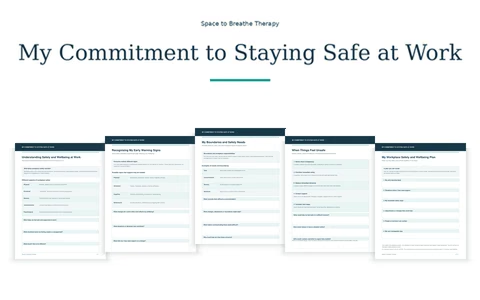
My Commitment to Staying Safe at Work is a compassionate six-page workbook designed to help you recognise situations that affect your wellbeing, understand your personal safety needs and identify practical ways to access support.
Through structured reflection activities, supportive guidance and personalised planning worksheets, the workbook encourages you to consider what helps you feel safe, recognise when additional support may be needed and develop a practical plan for difficult workplace situations.
The aim is not to place responsibility for workplace safety entirely on the individual, but to help you identify your needs while recognising the importance of appropriate organisational support.
What’s included in the workbook?
Page 1: Understanding Safety and Wellbeing at Work
Begin by considering what feeling safe and supported at work means to you.
This section introduces different aspects of workplace safety, including physical, emotional, sensory, communication and psychological needs.
Reflect on situations that help you feel comfortable, circumstances that leave you feeling unsafe or unsupported and changes that could improve your working environment.
Page 2: Recognising My Early Warning Signs
Learn to recognise changes that may suggest workplace experiences are affecting your wellbeing.
These might include physical tension, exhaustion, emotional distress, difficulty concentrating or changes in behaviour.
The accompanying worksheets encourage you to identify your personal warning signs, recognise contributing workplace demands and consider when additional support may be helpful.
Page 3: My Boundaries and Safety Needs
Consider the boundaries, adjustments and working arrangements that support your wellbeing.
This section explores practical needs relating to communication, working hours, sensory environments and emotional safety.
Reflect on situations you find difficult, identify changes that could help and consider who might support you in communicating your needs.
Page 4: When Things Feel Unsafe
Develop practical responses for workplace situations that feel overwhelming, threatening or unsafe.
This section encourages you to recognise what is happening, prioritise immediate safety, reduce demands where possible and identify appropriate sources of assistance.
Structured worksheets provide space to consider what helps you feel safer, how you might respond to difficult situations and when urgent support may be necessary.
Page 5: My Workplace Support Network
Identify people, services and organisations that may be able to provide practical or emotional support.
These could include trusted colleagues, managers, HR representatives, occupational health professionals, workplace representatives or independent advice services.
Use the worksheets to record useful contacts, consider barriers to requesting support and identify ways to make accessing assistance easier.
Page 6: My Workplace Safety and Wellbeing Plan
Bring together your reflections into a personalised plan that you can revisit whenever needed.
Record your early warning signs, situations that may require support, immediate safety steps, helpful workplace adjustments and people you can contact.
The final activity encourages you to identify one manageable next step towards improving your safety and wellbeing at work.
Who might find this workbook helpful?
This resource may be particularly useful for people experiencing workplace stress, accessibility barriers, bullying, discrimination, communication difficulties or environments that affect their physical or emotional wellbeing.
It may also support disabled and neurodivergent individuals who want to better understand their workplace needs, identify reasonable adjustments or prepare to discuss concerns.
However, the workbook is suitable for anyone who would benefit from structured reflection and practical workplace safety planning.
A compassionate approach to workplace safety
Recognising your needs and developing supportive strategies can be valuable, but workplace safety should never depend solely on an individual’s ability to cope.
Employers have responsibilities for providing safe working environments, addressing workplace risks and considering appropriate support and adjustments.
Sometimes the most helpful response is not to develop another coping strategy, but to recognise that a working environment or situation needs to change.
You do not need to complete the workbook in one sitting. You can work through the activities at your own pace, leave questions unanswered or return to your reflections whenever you feel ready.
Your safety, dignity and wellbeing matter. You deserve to work in an environment where your needs are taken seriously and appropriate support is available.
This workbook is intended for education, personal reflection and practical planning. It does not replace professional advice, workplace safeguarding procedures or emergency assistance when immediate safety is at risk.
Maggie,
Space to Breathe Therapy




