





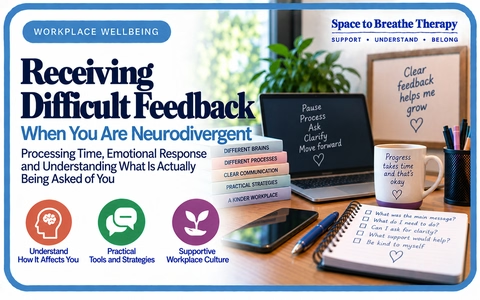
RECEIVING DIFFICULT FEEDBACK WHEN YOU ARE NEURODIVERGENT
Processing Time, Emotional Response and Understanding What Is Actually Being Asked of You
Feedback can involve far more than simply listening to the words somebody is saying.
For a neurodivergent employee, the conversation may also involve processing language, reading tone, managing an emotional response, remembering examples, working out what is expected and trying to respond appropriately — all at the same time.
This Workplace Wellbeing resource explores difficult feedback through an ADHD- and autism-aware lens without removing accountability.
The three-page downloadable guide looks at processing time, rejection sensitivity, working memory, previous experiences of criticism, literal interpretation and what can happen when the emotional response arrives before the person has had time to understand the practical message.
It includes ways to turn vague feedback into usable information, questions employees can ask, the value of written follow-up and guidance for managers on making expectations specific and clear.
Importantly, neurodivergent inclusion does not mean somebody should never receive difficult feedback.
It means the way feedback is communicated should give them a fair opportunity to understand it and act on it.
Different brains may need different routes to the same understanding. That does not lower standards. It makes the route to meeting them clearer.
Space to Breathe Therapy
Support • Understand • Belong