





Sensory Overload In The Workplace - Understanding sensory demands and creating more accessible working environments
Workplaces can expose us to a wide range of sensory experiences throughout the day. Background conversations, artificial lighting, strong smells, temperature changes, movement and physical surroundings can all influence how comfortable and accessible a working environment feels.
For some people, these experiences may be manageable individually but become increasingly difficult when several sensory demands occur together or continue over an extended period.
Sensory needs vary considerably between individuals, and the same environment may feel comfortable to one person while creating significant difficulties for another.
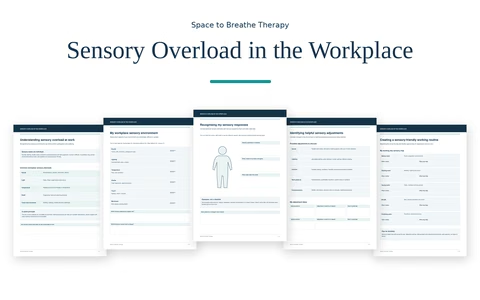
Sensory Overload in the Workplace is a six-page guide and practical workbook designed to help you recognise workplace sensory demands, understand your individual responses and identify adjustments that may support a more accessible working environment.
Through structured assessments, visual activities and personalised worksheets, you’ll have opportunities to reflect on your sensory experiences and consider practical changes that could improve your comfort, participation and wellbeing at work.
The emphasis is on recognising environmental barriers and identifying appropriate support rather than expecting individuals to continually tolerate uncomfortable or overwhelming conditions.
What you’ll find inside
1. Understanding Sensory Overload at Work
Begin by learning how workplace environments can create sensory demands and how these experiences may affect concentration, comfort and everyday participation.
This section introduces different sensory factors, including sound, lighting, temperature, smells, touch and movement.
You’ll also be encouraged to consider how sensory demands can accumulate and why your ability to manage particular environments may change throughout the working day.
2. My Workplace Sensory Environment
Use a structured assessment to identify which aspects of your working environment feel comfortable, uncomfortable or difficult to manage.
Consider sensory experiences such as background noise, bright lighting, strong smells, temperature changes, physical contact and movement around your workspace.
The worksheet provides space to recognise patterns and identify environmental factors that may benefit from adjustment.
It also acknowledges that some sensory experiences can be enjoyable or supportive rather than challenging.
3. Recognising My Sensory Responses
Sensory demands can influence the body, emotions and ability to process information in different ways.
This visual worksheet includes a body silhouette that you can use to identify where you notice physical responses to sensory experiences.
You might recognise headaches, muscle tension, fatigue, restlessness or changes in concentration when exposed to particular environments.
Accompanying reflection prompts encourage you to connect sensory experiences with your individual responses and consider what may help.
The aim is to support greater awareness without assuming that everyone experiences sensory overload in the same way.
4. Identifying Helpful Sensory Adjustments
Once you’ve recognised sensory barriers, this section helps you consider practical changes that could improve accessibility.
Possible adjustments might include quieter working areas, alternative lighting, suitable equipment, changes to seating arrangements or more flexible working practices.
The worksheet encourages you to identify a particular sensory difficulty, consider an adjustment that might help and describe the potential benefit.
These reflections can provide a useful starting point for conversations about workplace accessibility and reasonable adjustments.
5. Creating a Sensory-Friendly Working Routine
Sensory demands can vary throughout the working day, particularly when moving between environments, activities or responsibilities.
This worksheet helps you consider different stages of your working routine, including preparing for work, starting tasks, managing busy periods, taking breaks and finishing the day.
You’ll have space to identify situations that may increase sensory demands and consider adjustments or recovery opportunities that could help.
The aim is to create a flexible routine that responds to your individual needs rather than expecting you to maintain the same level of capacity throughout the day.
6. My Workplace Sensory Support Plan
Bring together your reflections into a personalised support plan.
Identify the sensory factors that affect you most, recognise your individual responses and record adjustments that may improve your working environment.
The worksheet also encourages you to consider how you would prefer to communicate your needs and which practical steps you might take next.
Your completed plan can provide a useful reference when discussing workplace adjustments with managers, HR departments or other appropriate sources of support.
Who is this resource for?
Sensory Overload in the Workplace may be particularly helpful for:
- Autistic and ADHD individuals who experience sensory differences or overload at work.
- Neurodivergent employees exploring their environmental and accessibility needs.
- Disabled individuals whose working environments create sensory barriers.
- People who experience difficulties with noise, lighting, temperature or other sensory demands.
- Employees preparing to discuss workplace adjustments or accessible working arrangements.
- Individuals returning to work or adapting to changes in their working environment.
- Anyone wanting to better understand how sensory experiences influence their comfort and wellbeing at work.
The worksheets can be completed at your own pace and revisited as your needs, responsibilities or working environment change.
You can focus on the activities that feel most relevant without needing to complete the entire workbook in one sitting.
Supporting sensory accessibility at work
Sensory overload is not simply a matter of becoming better at coping with uncomfortable environments.
Workplace design, communication practices, organisational expectations and access to appropriate adjustments can all influence whether an environment is accessible.
Small changes may make a meaningful difference, but some situations require more substantial adjustments or ongoing support.
Recognising individual sensory needs can help create working environments that are more inclusive, comfortable and sustainable.
The aim of this workbook is to help you understand your sensory experiences, identify practical adjustments and develop a personalised approach to workplace accessibility and support.
Creating a sensory-accessible workplace is a shared responsibility, and employees should not be expected to manage environmental barriers entirely on their own.
Maggie,
Space to Breathe Therapy




