





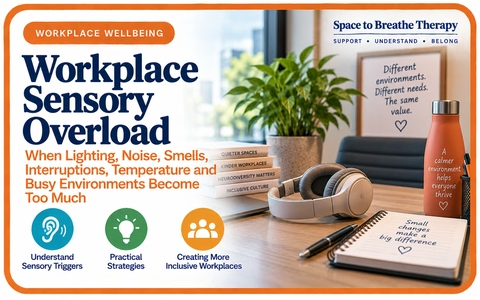
WORKPLACE SENSORY OVERLOAD
When Lighting, Noise, Smells, Interruptions, Temperature and Busy Environments Become Too Much
Sometimes the workplace itself becomes part of the workload.
Sound, lighting, movement, smells, temperature, interruptions and busy environments can require enormous amounts of processing — even while somebody appears to be sitting quietly and getting on with their job.
This Workplace Wellbeing resource explores sensory overload without reducing it to simply being “sensitive.”
The three-page downloadable guide looks at noise, competing sounds, lighting and glare, visual movement, smells, temperature, physical comfort and the cumulative effect of multiple sensory demands.
It also considers why interruptions are both sensory and cognitive, why somebody may cope in the morning but struggle later in the day, and how overload can show up as irritability, silence, tears, loss of concentration, physical discomfort or an urgent need to leave the environment.
Practical workplace changes are explored too — including quieter spaces, focused work periods, noise reduction, lighting changes, seating choices, reduced interruptions and greater flexibility.
Most importantly, the guide asks workplaces not to judge a sensory experience by whether everybody else is bothered by the same thing.
A calmer environment does not lower expectations. It can free up the capacity somebody needs to do their work.
Space to Breathe Therapy
Support • Understand • Belong




