




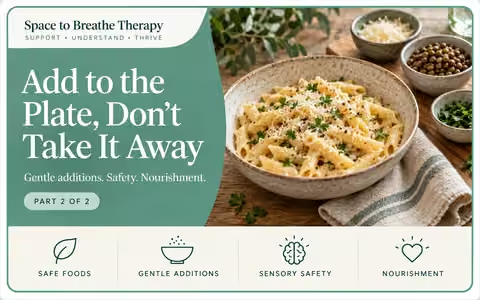
Add to the Plate, Don’t Take It Away - Part 2 of 2
Improving nutrition does not have to begin by removing the foods that already feel safe. For people with sensory processing differences, autism, ADHD or ARFID, familiar foods may provide predictability, regulation and essential nourishment. This supportive guide explores how nutrition can be built gently around that foundation.
Written by Maggie Learoyd, psychotherapist and ADHD, autism and ARFID specialist, Part 2 combines professional understanding with lived experience. It explains why every new food is also a new sensory experience and why low-pressure, person-centred support is more likely to build confidence than persuasion or force.
Inside the guide:
- Building nutrition without increasing sensory overload
- Understanding nutritional density and gentle additions
- Familiar-food examples that preserve predictability
- Why “just one bite” can involve many sensory demands
- A consent-led sensory exploration ladder
- Supporting children without turning meals into battles
- Helpful language for parents, partners and carers
- Supporting teenagers and adults who have learned to mask
- Maggie’s reflections from the therapy room and lived experience
- Practical strategies and a gentle planning worksheet
- Myth versus reality, research snapshot and reflection questions
- A reassuring personal message
The guide emphasises that progress should not be measured only by how quickly a person expands their diet. Progress may also mean less fear, greater confidence, more curiosity or feeling safe enough to keep a new food nearby. Safe foods remain protected while suitable additions are explored one manageable step at a time.
This resource is suitable for individuals, parents, partners, carers, therapists, educators and professionals. Any nutritional changes should respect confirmed allergies, intolerances, medical conditions and individual sensory needs.
Contributor: Maggie Learoyd MNCPS
Psychotherapist | ADHD, Autism & ARFID Specialist
Founder of Space to Breathe Therapy
Educational information only. This resource does not replace individual medical, nutritional or therapeutic advice.