





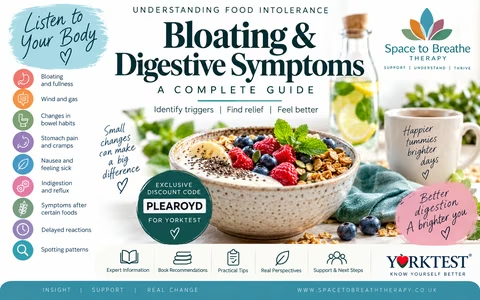
BLOATING & DIGESTIVE SYMPTOMS — WHEN FOOD SEEMS TO UPSET YOUR STOMACH
Bloating, wind, stomach cramps, nausea and unpredictable bowel changes can leave you wondering what is safe to eat and whether a particular food is responsible.
This full guide looks at the digestive signs that can occur with food intolerance, but it also explains why bloating does not automatically mean you have an intolerance. We look at lactose intolerance, IBS and FODMAPs, coeliac disease, food allergy, portion size, delayed symptoms and the value of keeping a simple food-and-symptom diary.
There is practical guidance on what to take to your GP or dietitian, how elimination and reintroduction should be approached, warning signs that need medical attention, book recommendations, and a warm composite personal perspective from someone who reached the point of saying they had had enough of organising their life around digestive symptoms.
The guide also explains food intolerance testing carefully. If you choose to explore YorkTest, my code is PLEAROYD. YorkTest’s IgG programmes do not diagnose lactose intolerance, coeliac disease or food allergy, so results should never replace appropriate medical assessment.
Most importantly, this resource is about helping you understand your body without making food feel frightening. The aim is not to remove as many foods as possible. It is to find the widest, safest and most comfortable way of eating for you.
Space to Breathe Therapy
NHS — Lactose intolerance. Current NHS guidance reviewed in 2026.
Key points used: common symptoms; possible elimination diet, blood tests and hydrogen breath testing; importance of not excluding foods without GP/dietitian advice; red-flag symptoms and emergency allergy signs.
NHS — Food intolerance. Current NHS guidance reviewed 18 June 2026.
Key points used: intolerance symptoms can be delayed; food-and-symptom diary; elimination/reintroduction; caution regarding home intolerance tests and unnecessary restriction.
British Dietetic Association — professional dietetic information and regulated dietitian support.
YorkTest — FAQ / Food&DrinkScan / Dairy Intolerance information, accessed September 2026.
Important limitation: YorkTest states its food-specific IgG programmes do NOT diagnose lactose intolerance or enzyme deficiencies, food allergy, coeliac disease, histamine sensitivity or chemical sensitivities. YorkTest also states food-specific IgG results cannot diagnose, treat or cure a specific food intolerance.
Clinical safety note:
This guide is educational, not diagnostic. Bloating and gastrointestinal symptoms have many possible causes. Persistent symptoms, unexplained weight loss, blood in the stool, persistent vomiting, severe pain, dehydration or significant bowel changes require medical assessment. Sudden swelling, breathing difficulty or collapse may be anaphylaxis and requires emergency care. Major food exclusions should be discussed with a GP or dietitian, especially for children or anyone at nutritional risk.




