




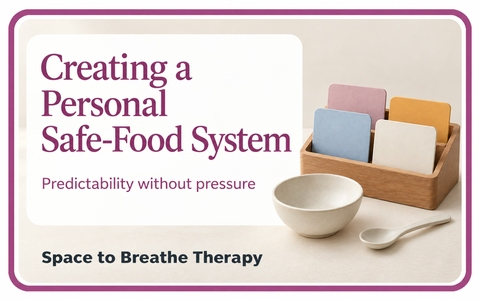
CREATING A PERSONAL SAFE-FOOD SYSTEM
Predictability, access and nourishment without pressure.
A safe-food system is more than a list. It records the exact sensory, practical and emotional conditions that make eating manageable, keeps reliable choices available and creates clear back-up routes for days when capacity changes.
This standalone guide is ARFID-aware, neurodivergent-friendly and non-diet. It does not treat safe foods as something to remove or outgrow. Instead, it helps people protect dependable nourishment, reduce decisions and communicate what support actually helps.
Inside the PDF:
- what can make a food feel safe
- the four parts of a working safe-food system
- a map for reliable, sometimes-safe and currently unsafe foods
- exact brand, texture, temperature and preparation details
- green, amber and red capacity routes
- stocking, visibility and restocking strategies
- a low-demand sequence for difficult days
- guidance for family members and supporters
- low-pressure exploration that protects the original safe food
- troubleshooting and signs the system is helping
- printable personal maps, back-up plans and support instructions
- clinical safety guidance, sources, books and a message from Maggie
The aim is not a perfect or impressively varied diet. It is a system that makes personally safe nourishment easier to reach. Repeated, packaged and convenience foods can all be valid accessibility supports.
This educational resource does not replace individual medical, dietetic, allergy, swallowing or eating-disorder advice.
Space to Breathe Therapy