





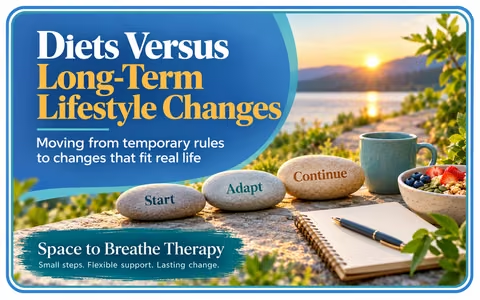
Diets Versus Long-Term Lifestyle Changes
Short-term diets can feel appealing because they promise structure, certainty and a clear result. Yet many plans are built for an ideal week rather than a real life that includes work, family, illness, fatigue, sensory needs, celebrations and changing finances.
This full guide compares temporary rule-led diets with flexible, sustainable lifestyle changes. It does not suggest that every short-term plan is harmful: some diets have an important clinical purpose. Instead, it helps readers assess whether an approach is safe, realistic, nutritionally adequate and supportive of mental wellbeing.
Inside you will find:
- A clear side-by-side comparison
- Why quick plans feel attractive and why they can be hard to maintain
- Warning signs that an approach needs reviewing
- Principles for small, sustainable change
- Full-energy, ordinary, low-energy and emergency versions of a plan
- Support for autism, ADHD, ARFID, disability and limited budgets
- A flexible personal planning exercise
- Sources, books and a personal message from me
My hope is that this guide removes shame from change. A plan should adapt to the person, not require the person to become perfect.
Maggie Learoyd
Space to Breathe Therapy