





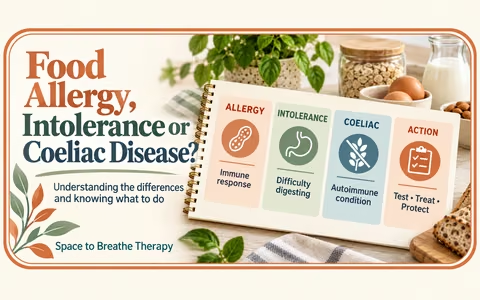
Food Allergy, Intolerance or Coeliac Disease?
These conditions can all cause symptoms after eating, but their mechanisms, risks, testing and treatment differ. This clear guide helps readers understand those differences without encouraging self-diagnosis or unnecessary restriction.
Inside the guide:
- Food-allergy symptoms and signs of anaphylaxis
- Food intolerance and why symptoms can be difficult to interpret
- Coeliac disease as an autoimmune condition
- Why gluten must usually remain in the diet during testing
- A direct comparison of risk, small amounts and diagnostic tests
- Concerns about commercial intolerance testing
- Nutritional and emotional risks of broad elimination
- UK allergen labels, vegan products and cross-contact
- Eating out and supporting someone safely
- Symptoms that require medical assessment
- Questions for appointments and a message from Maggie
The guide explains when emergency action is necessary and why qualified assessment matters. It protects both medical safety and access to adequate nourishment.
A message from Maggie
Your symptoms deserve careful answers. Protect yourself from genuine allergy risk, but do not remove more and more food without appropriate assessment and nutritional support.
Maggie Learoyd MNCPS
Psychotherapist | ADHD, Autism & ARFID Specialist
Founder of Space to Breathe Therapy
Educational information only. This resource does not replace individual advice.




