





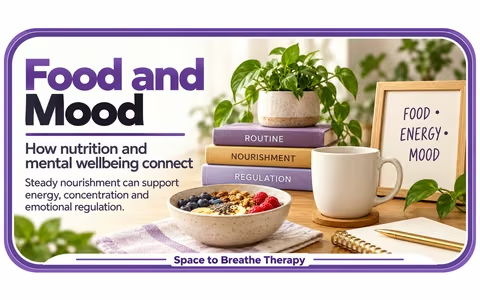
Food and Mood: How Nutrition and Mental Wellbeing Connect
Food can influence energy, concentration and emotional regulation, while mental health can affect appetite, sensory tolerance, motivation and the ability to prepare meals. This full guide explains that two-way relationship without suggesting that food is a cure or a measure of personal worth.
Inside the guide:
- How regular nourishment and hydration may support energy and concentration
- Why hunger can feel like anxiety, irritability or overwhelm
- How depression, anxiety, grief, trauma and stress can affect eating
- Autism, ADHD, ARFID, interoception and sensory needs
- Low-effort meals and accessibility strategies
- Medication, appetite and nutritional deficiency considerations
- A careful explanation of the gut-brain connection without hype
- A practical food-and-mood check-in
- Morning, midday and evening support ideas
- Comfort eating, low appetite and signs to seek professional help
- Reflection questions and a reassuring message from Maggie
The resource supports realistic nourishment on difficult days. It recognises that ready meals, repeated safe foods and help from another person can all be valid forms of self-care.
A message from Maggie
Food and mood can affect one another, but this should never become another reason to blame yourself. Begin with what is accessible, protect reliable foods and accept practical help.
Maggie Learoyd MNCPS
Psychotherapist | ADHD, Autism & ARFID Specialist
Founder of Space to Breathe Therapy
Educational information only. This resource does not replace individual advice.




