





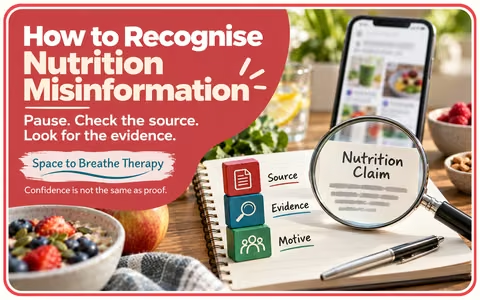
How to Recognise Nutrition Misinformation
Nutrition misinformation can sound scientific, caring and completely confident. It often reaches people when they are tired, unwell or searching for an answer. This can make dramatic promises, personal stories and fear-based claims especially persuasive.
This full guide gives readers a practical way to pause and check information before sharing it, buying something or making a change that could affect their health. It focuses on three core questions: Who is the source? What evidence supports the claim? What is the motive?
Inside you will find:
- The difference between misinformation, disinformation and genuine scientific uncertainty
- Common red flags in nutrition and wellness claims
- A seven-step method for checking evidence
- Guidance on qualifications, research headlines and conflicts of interest
- Influencers, advertising, commercial tests and supplement safety
- Signs of a trustworthy health communicator
- A complete Nutrition Claim Check worksheet
- Reliable UK sources, books and a personal message from me
My hope is that this guide helps people question claims without blaming themselves for having believed something persuasive. Confidence is not the same as proof, and you are allowed to take time before acting.
Maggie Learoyd
Space to Breathe Therapy