





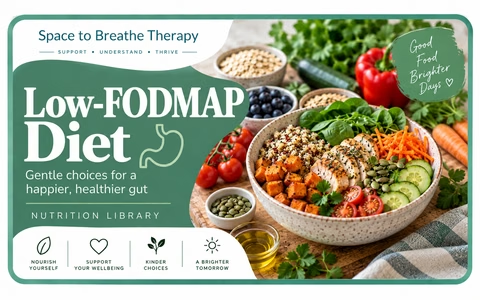
Low-FODMAP Diet
The low-FODMAP diet is a structured dietary approach developed to help some people with irritable bowel syndrome (IBS) understand whether particular fermentable carbohydrates contribute to symptoms such as bloating, abdominal pain, wind, diarrhoea or constipation.
This full Space to Breathe Therapy Nutrition Library guide explains what FODMAPs are and, importantly, why low-FODMAP eating is not intended to be a permanently restrictive diet.
The guide takes you through the three stages: a short restriction phase, systematic reintroduction or food challenges, and long-term personalisation. The aim is to identify individual tolerance and return as much variety as possible.
Inside you will find guidance on building nourishing lower-FODMAP meals, protein and carbohydrate choices, flavouring food, shopping, ingredient labels, portion sizes, eating out, budget-friendly options and convenience foods.
There are dedicated sections for ARFID, autism and sensory differences, eating disorders and restrictive eating, vegetarian and vegan diets, multiple allergies, constipation and situations where the diet may need to be adapted or stopped.
The guide also explains why low-FODMAP is not the same as gluten-free, why high-FODMAP foods are not 'bad foods', and why reintroduction is a central part of the process.
It finishes with common myths, a personal symptom and nutrition check-in, guidance on when professional support is useful and a supportive message from Space to Breathe Therapy.
The aim is not maximum restriction. It is better understanding, symptom management and a personalised diet that remains as varied, nourishing and manageable as possible.
Space to Breathe Therapy
Educational information only. This resource is not a substitute for medical assessment or personalised advice from a registered dietitian.