





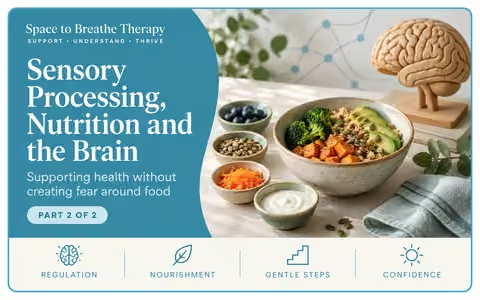
Sensory Processing, Nutrition and the Brain - Part 2 of 2
Supporting Health Without Creating Fear Around Food
Part 2 turns understanding into practical, respectful support. It explores how nourishment can be strengthened while safe foods, predictability and trust remain protected. The focus is not on creating a perfect diet. It is on building sustainable health without pressure, shame or sensory overwhelm.
WHAT IS INSIDE THE PDF
- Why there is no single perfect way to eat
- The role of safe foods in predictability, regulation and reliable nourishment
- Why removing familiar foods can increase anxiety and reduce intake
- Working with safe foods rather than treating them as the problem
- Nutrition through addition rather than punishment or restriction
- Examples of small, manageable additions to familiar meals
- Questions for identifying what could be added safely
- Supporting children without turning mealtimes into battles
- Supporting teenagers and adults who may have years of shame or masking
- Helpful responses when someone says a food does not feel safe
- Recognising progress beyond simply trying a new food
- Why regular eating, communicating needs and reduced anxiety are meaningful gains
- Maggie’s reflections from her therapy room
- Maggie’s personal experience of autism, ADHD and ARFID
- Practical sensory-aware strategies for home, school, work and social situations
- Myth versus reality about healthy eating
- Reflection questions for individuals, families and professionals
- Key takeaways and a supportive closing message
- Guidance on seeking qualified medical, nutritional or therapeutic help
The guide asks: What is already working? Which sensory qualities make food manageable? What is the smallest change the nervous system may be ready for? It recognises that on difficult days, eating a safe food may itself be a success.
This resource is suitable for autistic children and adults, people with ADHD or ARFID, people with sensory eating differences, parents, partners, carers, therapists, dietitians, educators and support professionals.
Together, Parts 1 and 2 provide a complete foundation: first understanding how the brain and sensory system influence eating, then using that understanding to strengthen nourishment through safety, flexibility and gentle change.
Contributor: Maggie Learoyd MNCPS
Psychotherapist | ADHD, Autism & ARFID Specialist
Founder of Space to Breathe Therapy
Educational information only. This resource does not replace individual medical, nutritional or therapeutic advice. Seek appropriately qualified support if eating, hydration, restricted intake or physical health is becoming unsafe.
SHORT WEBSITE EXCERPT
Learn how to protect safe foods, build nourishment through manageable additions and support children or adults without increasing pressure. Part 2 offers practical strategies, reflection questions and lived-experience insight.
BUTTON TEXT
Read and download Part 2




