





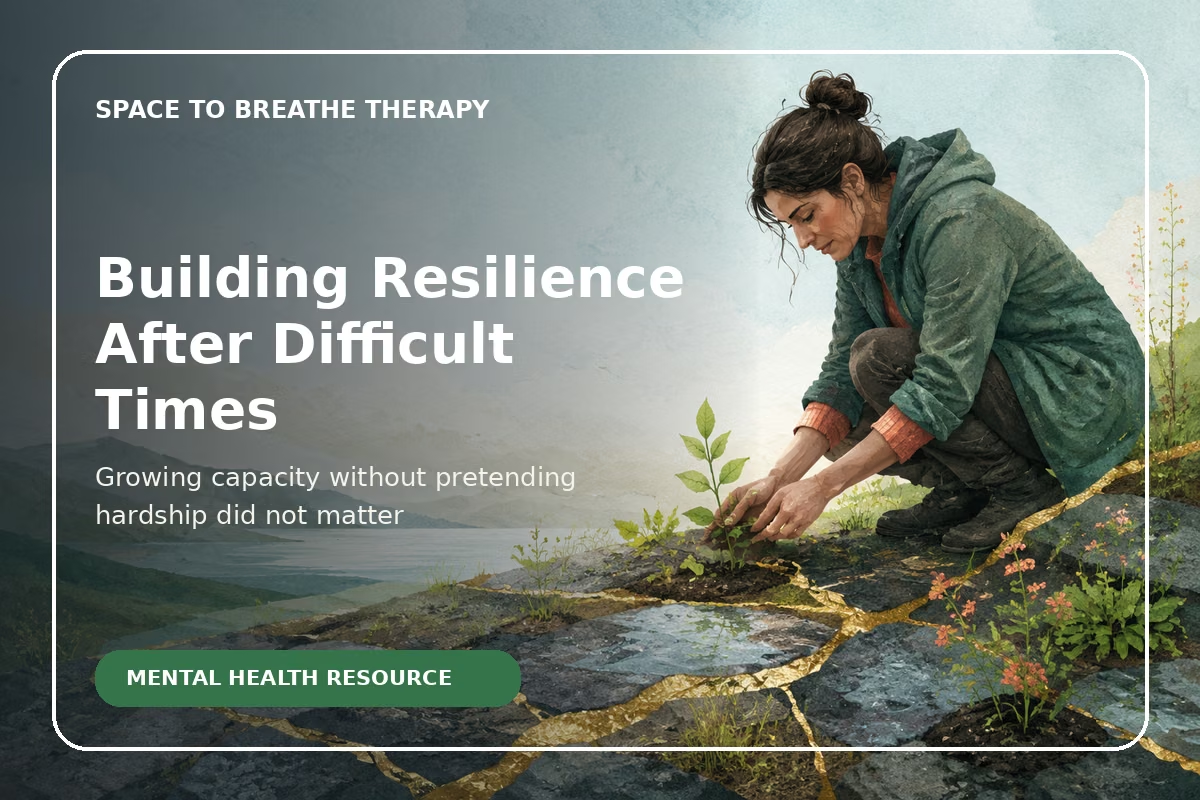

Building Resilience After Difficult Times
Growing capacity without pretending hardship did not matter
A grounded, compassionate guide to resilience after adversity. It moves away from forced positivity and focuses on safety, recovery, realistic support, meaning, flexibility and rebuilding trust at a sustainable pace.
Resilience is not the ability to remain unaffected by hardship. It is the capacity to adapt, recover, seek support and continue while acknowledging what the experience cost. Resilience is shaped by relationships, resources, health, safety and opportunity, not willpower alone. Sometimes the most resilient response is to stop, grieve or ask someone else to carry part of the load.
Moving beyond the idea of bouncing back
Difficult experiences can change priorities, energy, identity and trust. Recovery may not mean returning to a previous version of yourself. It can mean building a life that includes new limits and understanding. Comparing yourself with who you were before may hide the work your system is doing now.
Safety before growth
The nervous system cannot rebuild while danger and instability continue. Practical needs such as housing, money, medical care, protection and rest are part of mental health recovery. Regulation skills are valuable, but they should not be used to tolerate preventable harm. Ask what needs to change around the person as well as within them.
Small experiences of capability
After hardship, large goals can confirm a sense of failure. Choose steps with a realistic chance of completion and notice what made them possible. Send one message, prepare one meal, attend briefly or complete part of a task. Capability grows through repeated evidence, including the ability to stop, adapt and try another route.
Relationships that strengthen resilience
Reliable connection helps people process stress and borrow hope. Look for those who listen, respect boundaries, remain consistent and allow mixed feelings. Support can be practical, emotional, professional, cultural or spiritual. Independence is not the absence of help; it is having meaningful choice about how support is used.
Making room for grief and anger
Resilience language can become harmful when it pressures people to find gratitude or a lesson too quickly. Loss and injustice deserve honest emotion. Meaning may develop later or not at all. You can move forward without approving of what happened. Healing is not measured by how comfortable your story makes other people.
Flexibility and self-trust
Resilience grows when you have more than one response available. Create a preferred plan, a backup and a point for reassessment. Notice when old survival strategies are no longer needed and replace them gradually. Self-trust includes believing your own signals, seeking information and changing your mind when circumstances change.
Protecting recovery
Improvement often leads to pressure to catch up. Add demands slowly and keep margin for difficult days. Maintain the boundaries, routines and support that helped rather than removing them as soon as you feel better. A setback is information about current capacity, not proof that all progress has disappeared.
Hope that does not deny reality
Hope can be small and practical: one safe person, an appointment, a future meal, a place to rest or the knowledge that feelings change. Professional support may help when trauma, depression or anxiety continues to affect life. Urgent help is needed when there is immediate danger or inability to stay safe. You do not have to create hope alone.
Resilience is not how little hardship affects you. It is the many ways you keep finding support, choice and life after difficulty.
Important note
This article provides general information and compassionate guidance. It does not replace personalised medical advice, diagnosis or mental health care. If you or someone else is in immediate danger or unable to stay safe, contact emergency services or an urgent crisis service where you live.