





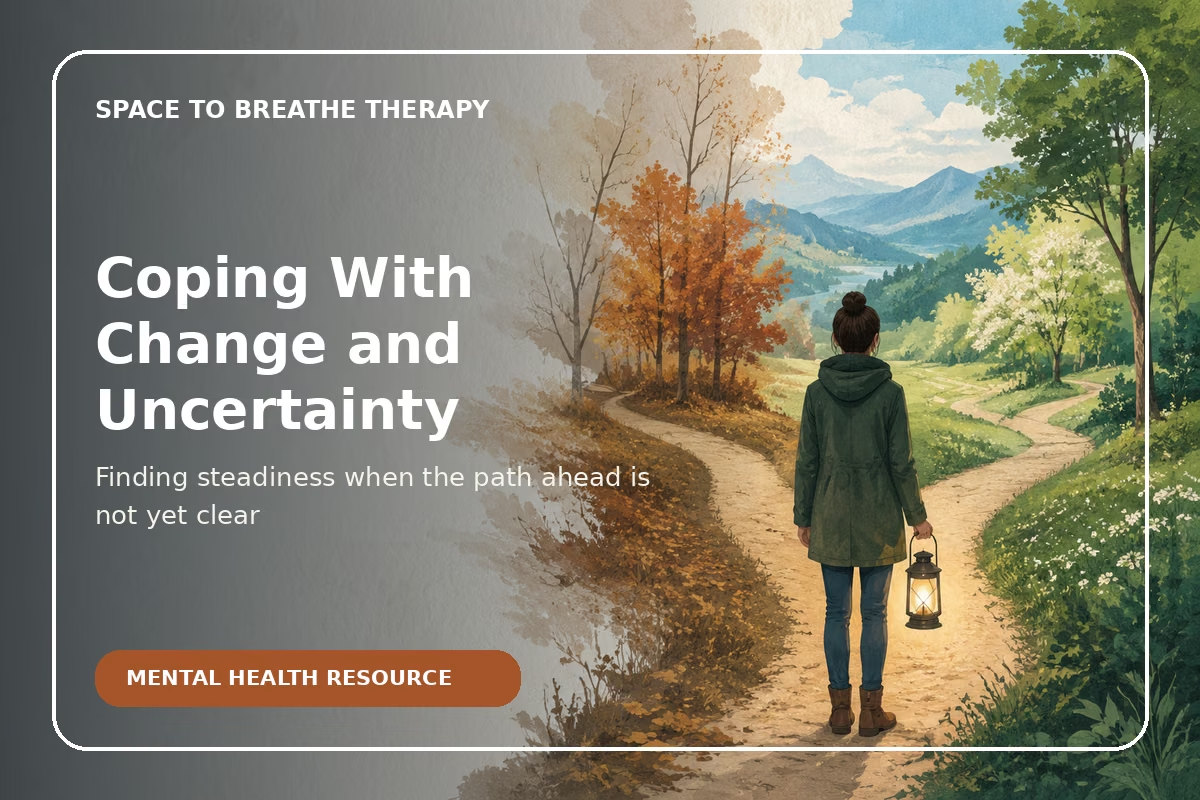

Coping With Change and Uncertainty
Finding steadiness when the path ahead is not yet clear
A full resource for navigating change and uncertainty with greater steadiness. It explores loss of predictability, decision fatigue, practical planning and emotional adjustment, helping readers focus on what can be known and controlled today.
Change can be chosen, unwanted, exciting, painful or several of these at once. Even positive changes require adjustment because familiar routines, roles and expectations are disrupted. Uncertainty asks the nervous system to prepare without knowing exactly what for. Wanting predictability is not weakness; it is one of the ways people create safety and organise daily life.
Why uncertainty feels so demanding
The mind fills information gaps by imagining possible outcomes, often giving extra attention to danger. Repeated checking, reassurance-seeking or planning every scenario may bring brief relief but keep the issue active. The goal is not to stop caring. It is to distinguish useful preparation from mental activity that creates the feeling of action without increasing control.
Acknowledge what is being lost
Change may involve loss of routine, identity, status, relationships, confidence or an expected future. These losses deserve recognition even if the change was chosen or welcomed. Mixed feelings do not mean you made the wrong decision. Make space for grief alongside curiosity and hope; adjustment is harder when only positive feelings are considered acceptable.
Separate what is known from what is imagined
Create three lists: what I know, what I do not know yet and what I can do now. Use reliable sources and limit repeated searching. If information will arrive on a particular date, note it and give yourself permission to pause until then. This brings attention back from every possible future to the next useful step.
Create temporary anchors
When the larger picture is unsettled, keep a few small things predictable: waking, meals, medication, a weekly call, movement, a familiar object or an evening routine. Anchors do not deny change; they reduce the amount of uncertainty the nervous system must process at once. Choose anchors that are flexible enough to survive imperfect days.
Making decisions with incomplete information
Define the decision, the deadline and the few criteria that matter most. Gather enough information rather than all possible information. Consider which choices are reversible and what a small trial could teach you. Ask a trusted person to help organise options without taking over. A reasonable decision can still have an uncertain outcome.
Supporting neurodivergent needs during change
Transitions may require more processing time, explicit information, visual plans, previews and recovery. Explain what will stay the same as well as what will change. Break the transition into stages and reduce other demands where possible. Familiar food, clothing, routes and sensory supports can preserve capacity. Distress about change is not stubbornness; it may reflect genuine access needs.
Finding flexibility without abandoning yourself
Flexibility does not mean accepting every demand or pretending uncertainty is comfortable. It means widening the number of responses available. Prepare a first choice, a backup and a point at which you will stop and reassess. Keep boundaries around what is not negotiable, and allow plans to change when new information appears.
When change becomes overwhelming
Seek support when worry, panic, shutdown, low mood or inability to function persists. Practical advocacy, therapy, coaching, medical care or community support may each address different parts of the situation. If distress includes thoughts of suicide or immediate danger, contact urgent crisis or emergency support. You do not have to understand the entire future to receive help now.
You only need enough steadiness for the next step. The whole path does not have to be visible today.
Important note
This article provides general information and compassionate guidance. It does not replace personalised medical advice, diagnosis or mental health care. If you or someone else is in immediate danger or unable to stay safe, contact emergency services or an urgent crisis service where you live.




