





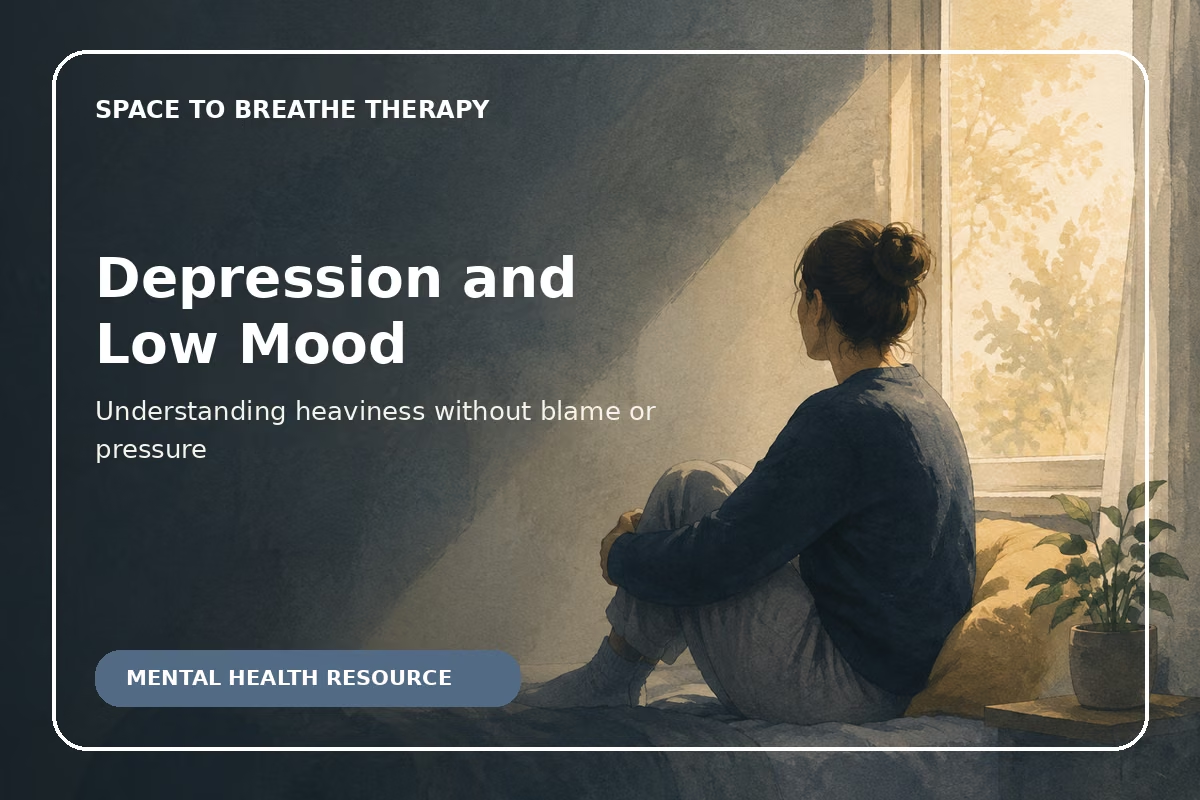

Depression and Low Mood
Understanding heaviness without blame or pressure
A compassionate, detailed article about depression and low mood, including emotional, physical and practical effects. It offers manageable ways to reduce isolation, support daily functioning and seek help without relying on forced positivity.
Low mood is a common response to disappointment, loss, stress or exhaustion. Depression is usually deeper and more persistent, affecting how a person feels, thinks, moves, relates and manages daily life. It may involve sadness, but it can also feel like numbness, irritability, emptiness or an absence of hope. Depression is not laziness or a failure to appreciate what you have.
Depression affects the whole person
Concentration, memory, sleep, appetite, libido, pain and energy may all change. Simple decisions can feel enormous and activities that once mattered may seem distant. Some people continue working and caring for others while privately struggling. Functioning in one area does not cancel distress in another, and outward appearance is not a reliable measure of severity.
The withdrawal cycle
When energy is low, cancelling plans and staying in bed may feel necessary. Rest can be protective, but long periods without light, movement, structure or connection can deepen depression. The answer is not to force a full routine. Choose a minimum day: medication as prescribed, something to drink, one simple food, washing or changing clothes, opening a curtain and one point of contact.
Motivation often follows action
Depression tells us to wait until motivation returns. Often, a very small action creates the first shift. Make the step smaller than seems necessary: sit on the edge of the bed, put shoes by the door, reply with one sentence or stand outside for two minutes. Completion is not the only success; beginning and stopping before overwhelm are also useful evidence.
Responding to the depressive voice
Depressive thoughts can sound certain: 'Nothing will change,' 'I am a burden,' or 'I ruin everything.' Treat them as symptoms and signals of pain, not final facts. Write the thought down, add missing context and imagine how you would respond to someone you care about. A balanced response may be modest: 'I cannot see a way forward today, but my view is being shaped by how unwell I feel.'
Connection without performance
Social contact can feel demanding when conversation, eye contact or appearing cheerful requires energy. Ask for lower-pressure connection: sitting together, watching something familiar, walking quietly, exchanging messages or having someone help with a practical task. You do not have to entertain, explain everything or make another person comfortable about your pain.
Physical health and depression
Thyroid conditions, anaemia, hormonal changes, chronic pain, sleep disorders, medication effects and other health issues can overlap with low mood. A medical review can be important, especially when symptoms are new or have changed. Gentle attention to food, hydration, daylight and movement may support wellbeing, but these are supports rather than moral tests or cures.
Supporting someone with depression
Be consistent and specific. Say, 'I am thinking of you; no pressure to reply,' or offer one manageable form of help. Avoid comparisons, lectures about gratitude or promises that everything will be fine. Ask directly about safety if you are concerned. Listen without rushing to solve, and remember that practical support can be as meaningful as conversation.
Treatment, hope and urgent support
Depression can improve through therapy, medication, social support, practical changes or a combination. Finding the right support may take time and does not mean the person has failed. If there are thoughts of suicide, plans to die or an inability to stay safe, contact emergency or urgent crisis services and involve a trusted person. Hope can be borrowed from others until it is easier to feel personally.
You do not need to feel hopeful before accepting help. Let support hold some hope for you today.
Important note
This article provides general information and compassionate guidance. It does not replace personalised medical advice, diagnosis or mental health care. If you or someone else is in immediate danger or unable to stay safe, contact emergency services or an urgent crisis service where you live.