





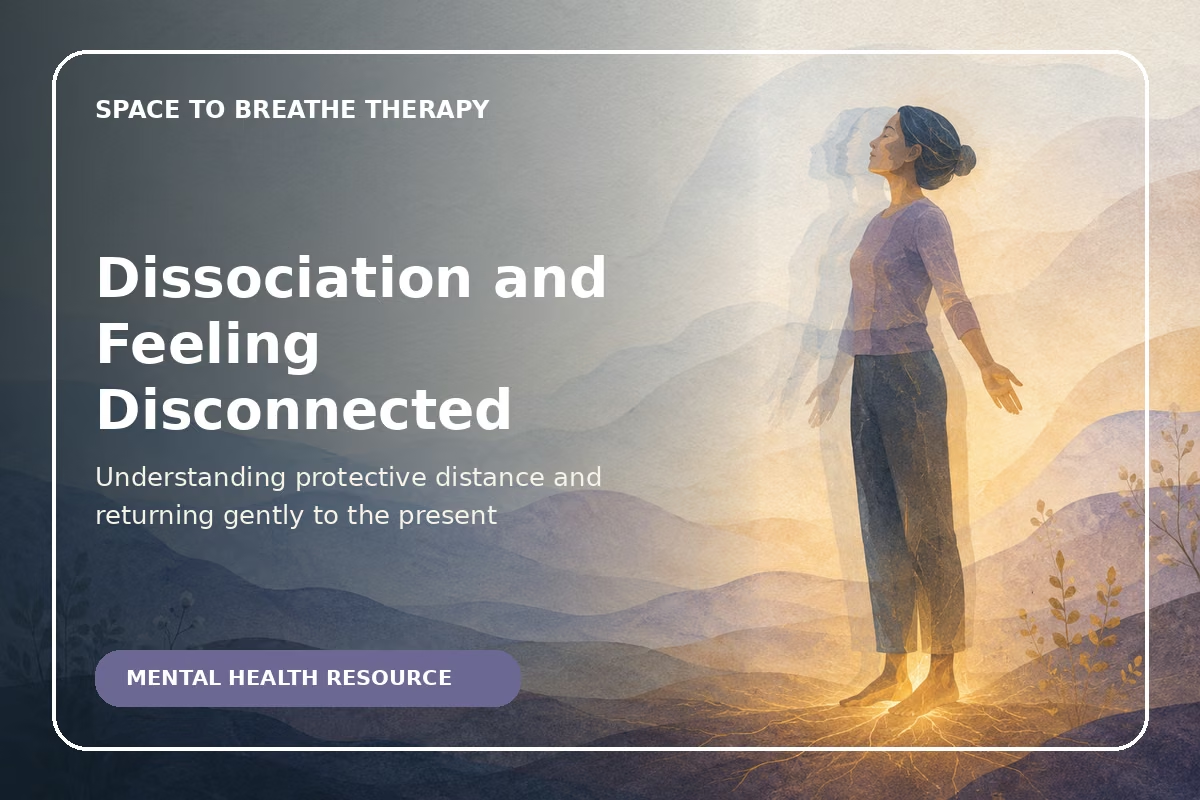

Dissociation and Feeling Disconnected
Understanding protective distance and returning gently to the present
A gentle introduction to dissociation, depersonalisation and feeling disconnected. It explains protective nervous-system responses and offers grounding options that respect individual needs, trauma histories and the importance of professional assessment.
Dissociation describes a disruption in the usual connection between thoughts, feelings, memory, identity, body or surroundings. It can feel like being far away, unreal, on autopilot, outside your body or unable to remember parts of an experience. Mild disconnection can occur during ordinary absorption or exhaustion. More distressing dissociation may be linked with trauma, panic, overwhelm or other health conditions.
A protective response
When an experience feels impossible to escape or process, the nervous system may create distance from sensation and emotion. This response is not chosen and is not attention-seeking. It may have helped someone function or survive. Understanding the protective purpose can reduce fear, although the current impact may still require support.
Depersonalisation and derealisation
Depersonalisation can feel detached from your body, voice or identity. Derealisation can make the environment seem dreamlike, flat or unfamiliar. These experiences can be frightening, particularly when interpreted as losing control. They do not automatically mean psychosis, but new or severe symptoms should be professionally assessed to understand the cause.
Early signs and patterns
Notice time loss, visual changes, numbness, sudden fatigue, reduced speech, feeling very young, automatic behaviour or difficulty following conversation. Record what happened beforehand without forcing memory. Common contributors can include conflict, sensory overload, pain, sleep loss, anniversaries and feeling trapped. Patterns help create earlier support.
Grounding through the outside world
Internal body exercises can intensify dissociation for some people. Try orienting outward: say the date and location, describe objects, read signs, hold a textured item, listen to familiar music or speak with someone safe. Use movement or firm pressure if helpful. The aim is gentle reconnection, not forcing full awareness before the system is ready.
Choice and communication
During disconnection, complex questions may be inaccessible. A personal plan can tell others to use short sentences, offer written choices, reduce touch and explain what will happen next. Ask permission before approaching. Reminders such as 'You are here, there is no rush, and you can choose space' can restore control without demanding disclosure.
After an episode
Fatigue, headache, shame or confusion may follow. Reduce demands, hydrate, eat something accessible and avoid immediate interrogation. Note only what feels manageable. Recovery time is part of the response. Criticism and pressure can increase future fear; a calm review later can identify support and safety needs.
Medical and professional assessment
Dissociation-like symptoms can overlap with seizures, fainting, migraine, medication effects, sleep disorders and other conditions. A clinician should assess new, changing or unexplained episodes. Trauma-informed therapy may help with stabilisation and understanding. Work should proceed at a pace that does not repeatedly overwhelm the person.
Urgent safety
Seek urgent help if disconnection involves injury, unsafe wandering, inability to care for basic needs, sudden neurological symptoms or immediate danger. Create a plan with contacts, medical information, safe places and preferred communication. Dissociation deserves serious and compassionate support without sensationalising the experience.
Feeling disconnected can be your system's way of creating distance from too much. You deserve a gentle path back to the present.
Important note
This article provides general information and compassionate guidance. It does not replace personalised medical advice, diagnosis or mental health care. If you or someone else is in immediate danger or unable to stay safe, contact emergency services or an urgent crisis service where you live.