





Loneliness & Connection
Understanding Isolation, Finding Belonging and Building Meaningful Relationships
Loneliness is something many people experience, yet it can be surprisingly difficult to talk about.
You may feel lonely when you are physically alone, but loneliness can also happen when you are surrounded by people, in a relationship, part of a family or regularly interacting with others.
Sometimes loneliness develops gradually. Friendships may change, relationships may become distant, circumstances may shift or everyday responsibilities may leave little opportunity for meaningful connection.
At other times, you may have people around you but still feel misunderstood, disconnected or unable to be yourself.
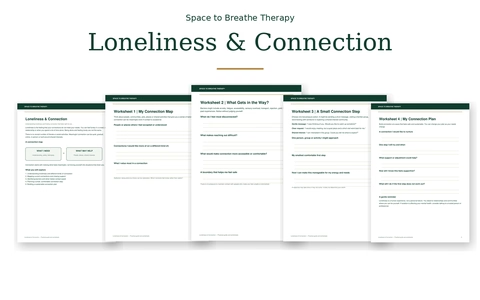
Loneliness & Connection is a compassionate five-page guide and worksheet resource designed to help you understand loneliness, explore your existing relationships, recognise barriers to connection and develop manageable ways of building a greater sense of belonging.
Rather than encouraging you to become more sociable or surround yourself with more people, this resource focuses on discovering what meaningful connection looks like for you.
Understanding Loneliness
Loneliness is not simply about the number of people in your life.
It is often connected to the difference between the relationships you have and the type of connection you need.
You may have frequent social contact but still feel that nobody truly understands you.
Alternatively, you may enjoy spending time alone and feel perfectly comfortable with a small number of meaningful relationships.
The guide explores the difference between being alone and feeling lonely, recognising that solitude can be restorative when it is chosen and meets your needs.
Loneliness may be influenced by:
- Changes in friendships or relationships.
- Bereavement, separation or significant life transitions.
- Moving home or changing employment.
- Disability, chronic illness or reduced opportunities to socialise.
- Anxiety or previous experiences of rejection.
- Feeling misunderstood or excluded.
- Limited access to supportive communities.
- Differences in communication or social needs.
- Feeling unable to express your authentic self.
Understanding these influences can help you recognise that loneliness is not a personal failure.
Exploring What Connection Means to You
Connection does not look the same for everyone.
Some people enjoy regular conversations, group activities and frequent social contact.
Others prefer quieter relationships, occasional contact, shared interests or spending time with one trusted person.
Meaningful connection might involve friendship, family, community, shared experiences, online interaction or simply feeling accepted in someone's presence.
The guide includes a visual connection diagram encouraging you to consider two important questions:
What do I need from connection?
And:
What people, places or experiences might help me find it?
This approach encourages you to explore connection in ways that reflect your personality, preferences, energy and individual circumstances.
Mapping Your Existing Connections
When loneliness becomes overwhelming, it can sometimes feel as though there is nobody available or nowhere you belong.
The first practical worksheet, My Connection Map, provides space to explore the relationships and connections already present in your life.
You can reflect on:
- People who help you feel accepted or understood.
- Places where you experience a sense of belonging.
- Communities or activities that feel meaningful.
- Relationships you would like to strengthen.
- Types of connection you feel are currently missing.
- Qualities that matter most to you in a relationship.
This exercise is not about counting friends or measuring how socially active you are.
It is about recognising what supports your sense of connection and identifying areas where you may want something different.
Understanding Barriers to Connection
Wanting connection does not always mean that reaching out feels easy.
You may experience anxiety, uncertainty, tiredness or difficulties knowing how to begin a conversation.
Previous experiences of rejection, criticism or exclusion can also make new relationships feel risky.
The second worksheet, What Gets in the Way?, encourages you to explore the barriers that may affect your opportunities for connection.
These might include:
- Social anxiety or fear of rejection.
- Sensory overload in busy environments.
- Difficulties with communication or processing information.
- Physical health conditions or fluctuating energy.
- Limited transport or accessible opportunities.
- Financial pressures.
- Caring responsibilities.
- Previous relationship experiences.
- Feeling different from those around you.
The worksheet also encourages you to identify adjustments that might make connection more comfortable and accessible.
You do not have to ignore your needs or push beyond your capacity to experience meaningful relationships.
Taking Small Steps Towards Connection
When you have felt lonely for a long time, the idea of building new relationships can feel overwhelming.
You may feel pressure to attend social events, meet new people or become more confident immediately.
However, connection can develop through small, manageable experiences.
The third worksheet, A Small Connection Step, encourages you to identify one realistic action that feels appropriate for you.
This might involve:
- Sending a short message to someone you know.
- Reconnecting with an old friend.
- Exploring a group connected to a personal interest.
- Joining an accessible online community.
- Arranging a short meeting in a familiar environment.
- Asking someone about an activity you might enjoy.
- Spending time in a place where you feel comfortable around others.
The worksheet also provides examples of gentle communication that can make reaching out feel more manageable.
The focus is on taking a step that feels possible, rather than placing pressure on yourself to achieve an immediate result.
Recognising Your Boundaries and Social Needs
Healthy connection should allow space for your individual needs.
You may enjoy spending time with others but need periods of solitude to recover.
You might prefer written communication, shorter meetings, predictable arrangements or quieter environments.
The resource encourages you to recognise that connection and boundaries can exist together.
You are allowed to choose relationships that feel respectful, establish limits around your energy and communicate what helps you feel comfortable.
You do not have to remain in relationships that make you feel unsafe, repeatedly dismissed or emotionally drained simply to avoid being alone.
Creating Your Personal Connection Plan
The fourth worksheet, My Connection Plan, brings together your reflections and helps you identify realistic ways of developing or maintaining meaningful connections.
You can explore:
- A relationship or connection you would like to nurture.
- One manageable action you could take.
- When you might feel ready to try it.
- What support or adjustments could help.
- How you will recognise whether the connection feels supportive.
- What you could do if your first attempt does not work out.
The worksheet encourages flexibility and self-compassion.
Building connection is not always straightforward, and not every interaction will develop into a meaningful relationship.
A delayed response, unsuccessful invitation or difficult social experience does not determine your worth.
Loneliness, Disability and Neurodivergence
For some disabled and neurodivergent individuals, loneliness can involve additional challenges.
Autistic people, individuals with ADHD and people with communication or sensory differences may experience difficulties accessing traditional social environments.
Some people may feel pressure to mask their natural communication style, manage overwhelming sensory environments or meet social expectations that do not reflect their needs.
Others may experience rejection sensitivity, social exhaustion or difficulty maintaining regular contact despite valuing their relationships.
Physical disabilities, chronic health conditions and fluctuating energy can also affect opportunities to meet others.
The resource recognises that meaningful connection should be accessible and supportive.
Finding people who respect your communication preferences, sensory needs and personal boundaries can be more important than increasing the number of social interactions you have.
What Is Included?
This downloadable five-page PDF contains:
- Page 1 – Understanding Loneliness & Connection: An accessible introduction to loneliness, meaningful relationships and a visual connection diagram.
- Page 2 – My Connection Map: A reflective worksheet for exploring existing relationships, sources of belonging and the connections you would like to develop.
- Page 3 – What Gets in the Way?: A practical worksheet identifying barriers to connection and considering adjustments that may help.
- Page 4 – A Small Connection Step: Guided reflection and communication examples to support manageable steps towards connection.
- Page 5 – My Connection Plan: A personalised worksheet for nurturing relationships, identifying supportive actions and reviewing your experiences.
The worksheets provide space for personal reflection and can be completed independently or alongside therapy and coaching.
Who Is This Resource For?
Loneliness & Connection may be helpful for adults who experience isolation, disconnection or difficulties developing and maintaining relationships.
It may be particularly useful for people who:
- Feel lonely despite having people around them.
- Experience social anxiety or fear of rejection.
- Have experienced changes in friendships or relationships.
- Are adjusting to bereavement, separation or major life changes.
- Feel misunderstood or excluded.
- Experience disability-related barriers to social opportunities.
- Have neurodivergent communication or sensory needs.
- Want to reconnect with others at a manageable pace.
- Would like to develop a greater sense of belonging.
- Find it difficult to balance social connection with personal energy and recovery needs.
The resource may also support therapeutic conversations about loneliness, relationships, self-worth and emotional wellbeing.
A Gentle Reminder
Feeling lonely does not mean that there is something wrong with you.
It does not mean that you are unlikeable, unworthy of friendship or incapable of developing meaningful relationships.
Sometimes loneliness reflects circumstances, unmet emotional needs, inaccessible environments or experiences that have made connection difficult.
You do not need a large social circle to experience belonging.
You do not have to become someone different to deserve acceptance.
Connection can begin with one conversation, one shared interest, one familiar place or one person who makes you feel understood.
It can also develop slowly, with time, trust and opportunities to be yourself.
You deserve relationships where you feel accepted, respected and valued for who you are.
Space to Breathe Therapy
This resource is intended for education, personal reflection and emotional wellbeing support. It does not replace individual psychological or medical advice. If loneliness or isolation is significantly affecting your mental health, consider speaking with a trusted person or qualified professional.




