



MY EMOTIONAL THERMOMETER
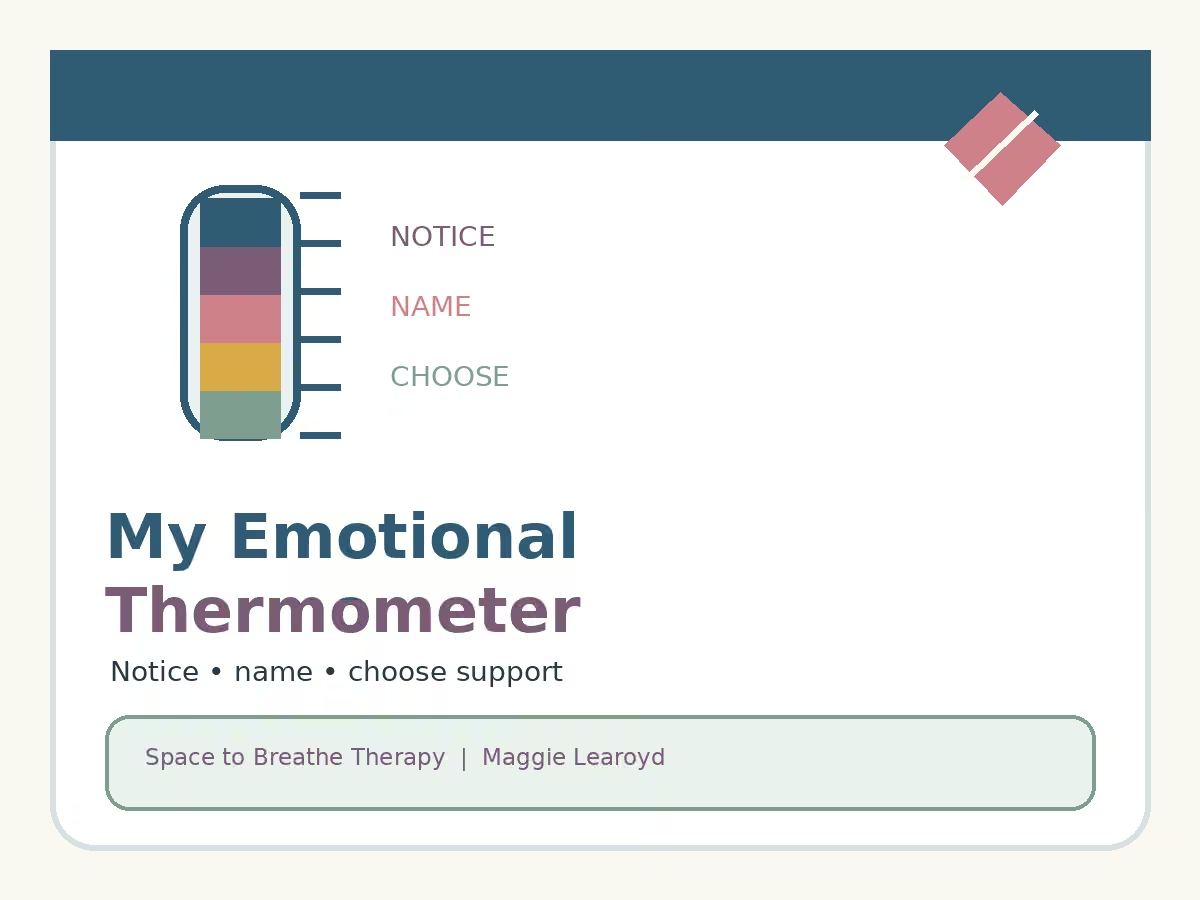
Emotions do not usually move from calm to overwhelmed without any signs in between. There are often small changes in thoughts, body sensations, behaviour, communication or energy before we reach the point where everything feels too much. Learning to recognise those changes can make it easier to choose support earlier.
I created this Emotional Thermometer as a personal mapping tool rather than a test. The levels run from 1-2, when you may feel more steady or connected, through building and high activation, to overwhelm and crisis. Your signs may look completely different from somebody else's, and they may also change depending on the situation, sensory environment, sleep, pain or stress.
Each level gives you space to record feelings and body sensations, thoughts, behaviours or urges, and the strategies that actually help. You may notice tension, heat, numbness, racing thoughts, going quiet, talking faster, withdrawing, seeking reassurance or finding choices harder. Mapping these signs when you feel relatively calm creates a guide you can return to later.
The final column is especially important. Helpful support may include reducing demands, changing the environment, eating or drinking, movement, sensory regulation, grounding, asking somebody to stay with you, contacting a professional or following a personal safety plan. The aim is not to force yourself back to calm; it is to respond to the level you are at with the right kind of care.
If you reach crisis and do not feel able to keep yourself safe, use urgent support rather than relying on the worksheet alone. Call NHS 111 for urgent mental health help. If there is immediate danger, call 999 or go to A&E. Samaritans are available free on 116 123, and you can text SHOUT to 85258 for confidential text support.
With warmth,
Maggie
Space to Breathe Therapy
This educational resource does not replace personalised medical or psychological care.