





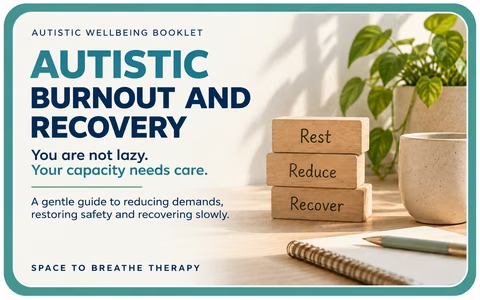
Autistic Burnout and Recovery
Autistic burnout is more than ordinary tiredness. It can involve profound exhaustion, reduced access to everyday skills and a significant increase in sensory, social and emotional sensitivity after prolonged demands exceed a person’s capacity.
This compassionate 10-page booklet helps autistic people, family members, supporters, employers and professionals understand what burnout can feel like and why it should never be dismissed as laziness, weakness or a lack of effort. It explores the accumulated effects of masking, sensory overload, uncertainty, executive demands and environments that require constant adaptation.
The booklet identifies early warning signs and offers gentle, practical guidance for reducing demands, making the environment easier to process, communicating with less pressure and allowing rest that genuinely restores safety. It also considers how to return to activities gradually without recreating the conditions that caused the burnout.
What this booklet covers:
- The difference between autistic burnout and ordinary tiredness
- How prolonged demands and masking can contribute
- Changes in capacity and common warning signs
- Reducing demands and prioritising essential needs
- Creating a lower-sensory environment
- Rest without pressure or productivity expectations
- Low-demand communication and practical support
- Returning to activities gradually
- Building a more sustainable and authentic life
Please note: Autistic burnout is a widely used community and research term, but experiences vary. This booklet offers general wellbeing information and does not replace personalised medical or mental health support. A significant or sudden change in functioning should be discussed with an appropriate healthcare professional so that other possible causes can also be considered.